
PVA usually means polyvinyl acetate when you see the term on UK glue, building, or craft products. It is a water-based adhesive commonly used on porous materials such as wood, paper, card, and plaster. Its simple application and clear-drying finish make it useful for many everyday indoor jobs.
The important point is that one bottle will not suit every repair or building task. Moisture exposure, surface type, required strength, and manufacturer instructions all affect whether this adhesive is suitable. This guide explains where it works, where it fails, and what UK users should check before applying it.
Quick answer: Polyvinyl acetate is a water-based synthetic adhesive commonly found in white glue and many woodworking products. It bonds porous materials particularly well and normally dries clear. Standard formulations are generally better for dry indoor work than constantly wet, exterior, or specialist structural applications.
Key facts at a glance
| Question | Practical answer |
|---|---|
| What is it? | A synthetic polymer widely used in water-based adhesives |
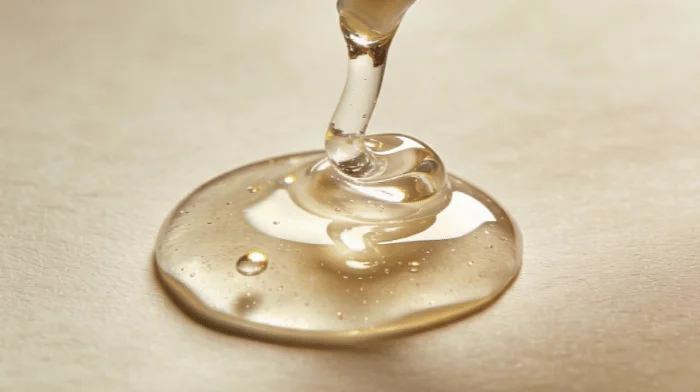
| Typical appearance | White or milky liquid before drying |
| Final appearance | Usually clear or translucent after drying |
| Common materials | Wood, paper, card, fabric, plaster, and other porous surfaces |
| Typical uses | Crafts, woodworking, bonding, some priming and sealing tasks |
| Cleanup | Many water-based products clean with water before curing. |
| Moisture resistance | Depends on the formulation and product rating |
| Full drying | Often several hours, with some products needing around 12–24 hours |
| Best approach | Follow the instructions for the exact product and surface. |
What is PVA, and how does it work?
Polyvinyl acetate is a synthetic polymer often supplied as an emulsion dispersed in water. As the water leaves the adhesive, the remaining material forms a film between the bonded surfaces. That film creates the connection that holds suitable materials together.
It performs particularly well where at least one surface can absorb some moisture from the adhesive. Paper, untreated timber, card, and other porous materials are common examples. Smooth plastics, metals, glass, and constantly damp materials often need another adhesive system.
UK shops sell related products for craft work, joinery, building preparation, and general household jobs. Formulations can differ even when their labels use similar terminology. You should therefore check the stated application instead of assuming every white adhesive works identically.
Wordify’s broader guide to choosing the right adhesive products explains why material compatibility matters. Different adhesive families solve different bonding problems. Choosing by appearance alone can leave you with a weak or short-lived repair.
Seven common uses around a UK home or workshop
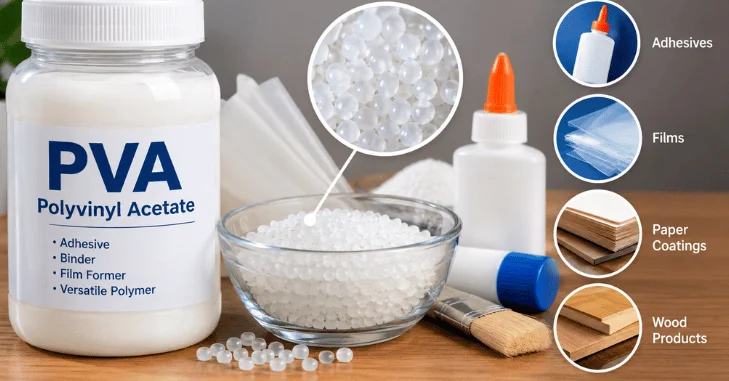
The adhesive earns its place in many homes because it handles several ordinary tasks well. Most suitable jobs involve absorbent materials and relatively dry conditions. These seven uses cover many situations where a standard formulation may be considered.
- Paper and card crafts. White glue is useful for collages, models, cardmaking, and school projects because many products dry clear.
- Woodworking and small timber repairs. Suitable woodworking formulations can bond close-fitting timber joints used in furniture, frames, and hobby projects.
- Fabric and mixed-media crafts. Some craft versions can attach fabric to card, wood, or other compatible porous surfaces.
- Bookbinding and paper repairs. Its flexible film and suitability for paper make certain formulations useful for books and paperwork.
- Plaster preparation. Some trade products are designed for priming porous surfaces or controlling suction before plastering.
- Dust sealing on suitable surfaces. Certain building formulations can stabilize dusty, porous substrates when their instructions specifically allow that use.
- General indoor bonding. Decorative pieces, models, and lightweight household items may suit it when their surfaces are compatible.
The exact use depends on the product rather than the three-letter label alone. A craft bottle may have different properties from a concentrated builder’s adhesive. Always match the manufacturer’s instructions to your particular job.
How long does it take to dry?
Drying time changes with the product, material, temperature, ventilation, and thickness of the applied layer. A thin coat on absorbent card behaves differently from a thick joint between timber pieces. Treat any general drying figure as guidance rather than a universal rule.
For example, Bostik states that its craft adhesive reaches full cure on paper and card around 12 hours. The same manufacturer gives around 24 hours for a full cure on wood. Those figures apply to that product, so another brand may specify different timings.
EVO-STIK also advises clamping or weighting some bonded wood joints while the adhesive develops strength. Moving a joint too soon can disturb the bond before curing finishes. Read the label before deciding when a repaired item can carry weight.
Using it on wood
Wood is one of the materials most closely associated with this adhesive family. The porous fibers give a suitable formulation a good surface for bonding. Tight-fitting joints normally produce better results than large gaps filled with excess glue.
Start with clean, dry timber that is free from grease and loose dust. Spread the recommended amount evenly, bring the pieces together, and hold them securely. Clamps can maintain contact while the joint develops its initial strength.
Do not assume ordinary wood glue is suitable for permanent outdoor exposure. Water resistance differs substantially between products and classifications. Exterior joinery should use an adhesive specifically approved for the expected weather and moisture conditions.
If timber forms part of a wider renovation, Wordify’s guide to using wood in home design provides useful material context. Wood species, location, finish, and moisture conditions all influence performance. Those factors matter beyond the adhesive itself.
Using it before plastering
Building versions are sometimes used to control suction on porous backgrounds before plaster is applied. A highly absorbent wall can draw moisture from fresh plaster too quickly. Suitable preparation helps give the plastering system better working conditions.
The timing can matter as much as the mixture. Some products are intended to remain tacky when the next material is applied. Others have specific dilution, drying, or recoating instructions that should be followed exactly.
Avoid inventing a water ratio from a generic online tip. Manufacturers can formulate building adhesives differently, so one dilution ratio does not fit every product. The label or technical data sheet should take priority.
Surface repair should also happen before applying a bonding or finishing system. Wordify’s practical UK wall-filler guide covers cracks, holes, sanding, and preparation before decoration. Weak or crumbling material needs attention before another coating hides it.
Should you use it before painting fresh plaster?
Using ordinary adhesive as a paint primer is not automatically recommended. EVO-STIK specifically states that its general-purpose product should not seal plaster before painting. It warns that a sealed glossy surface can interfere with even paint absorption.
Fresh plaster is commonly prepared for paint according to the coating manufacturer’s instructions. That may involve a suitable first coat or dedicated primer rather than an adhesive film. Paint systems vary, so check the guidance for your chosen finish.
Confusion often comes from mixing plastering preparation with painting preparation. A product designed to help plaster bond is not automatically the correct base for emulsion paint. Treat those as separate stages with separate technical requirements.
Where this adhesive is a poor choice
Standard water-based formulations should not be treated as universal repair products. Wet rooms, outdoor work, submerged surfaces, and high-load structural joints can demand different chemistry. Non-porous materials can also produce disappointing results without a specially designed adhesive.
It is also a poor substitute for products made specifically for PVC pipework. Pipe adhesives work differently and are designed for compatible plastic plumbing systems. Using the wrong adhesive can produce an unreliable joint.
The same principle applies to metal, glass, stone, ceramics, and difficult plastics. Epoxies, cyanoacrylates, contact adhesives, or specialist construction products may suit those materials better. Check surface compatibility before starting rather than repairing a failed bond afterwards.
Polyvinyl acetate versus polyvinyl alcohol
The abbreviation can create confusion because polyvinyl alcohol is also shortened in a similar way. Despite the naming overlap, polyvinyl acetate and polyvinyl alcohol are different polymers. They have different chemical structures and different industrial applications.
For British DIY searches, the abbreviation commonly points towards the adhesive used for wood, crafts, and building preparation. Technical or scientific contexts may instead refer to polyvinyl alcohol. The surrounding product or subject usually makes the intended meaning clear.
This distinction matters when researching technical properties. Advice about a water-soluble industrial polymer may not describe the white adhesive in your toolbox. Check the full chemical name whenever the context is uncertain.
How to get a stronger, cleaner bond
Good surface preparation improves most adhesive jobs before the bottle is even opened. Remove loose dust, grease, old residue, and moisture where the manufacturer requires a dry surface. Test delicate finishes before applying anything across a visible area.
Use enough adhesive to cover the bonding area without creating unnecessary pools. Excess material can increase drying time and make cleanup harder. Wipe away suitable water-based residue before it cures, following the product instructions.
Hold the materials in their correct position for the stated setting period. Wood joints may benefit from clamps, while paper projects often need flat pressure. Avoid testing full strength until the specified curing period has passed.
Frequently asked questions
What does PVA stand for?
In ordinary UK adhesive and DIY contexts, it usually stands for polyvinyl acetate. This synthetic polymer forms the basis of many white, wood, craft, and building adhesives. Scientific contexts can use the same abbreviation for another polymer, so context still matters.
Is PVA waterproof?
Standard formulations should not automatically be considered waterproof. Some specialist wood adhesives carry higher water-resistance classifications, while general-purpose versions may suit dry interior conditions only. Always check the exact product rating before using it where moisture is expected.
Can it stick wood?
Yes, suitable polyvinyl acetate wood glues are widely used for timber bonding. Clean surfaces and close-fitting joints help the adhesive perform properly. Follow the stated clamping and curing time before loading the joint.
Can it be used on walls?
Some building products are designed for bonding, priming, or sealing compatible porous backgrounds. That does not mean every craft or general-purpose bottle should be applied to a wall. Check both the surface and the next coating before choosing the product.
Does white glue dry clear?
Many common craft products begin white and become clear or translucent as they dry. The final appearance can depend on thickness, formulation, and the underlying material. Apply a controlled layer when appearance matters.
Choose the adhesive for the job, not the label
Polyvinyl acetate is useful because it bonds many common porous materials with little complication. It works particularly well for crafts, paper, timber, and certain building-preparation tasks. Its limits become important when moisture, unusual materials, or demanding loads enter the project.
Check the product instructions before you dilute, clamp, coat, or paint over any adhesive. Let the stated surface compatibility and curing time guide your method. A few minutes of checking can prevent a failed bond or damaged finish.
For projects involving several materials, start with Wordify’s guide to selecting adhesives for different jobs. Compare the surfaces, moisture exposure, strength requirements, and drying time first. Then choose PVA only when those conditions match the product you plan to use.