

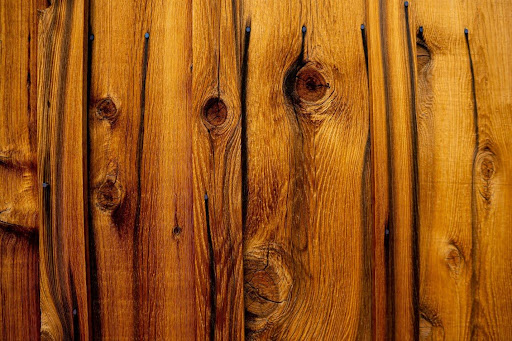
Wood is a great option for home design because it does several jobs at once: it looks warm and natural, it suits almost any style, it lasts for decades when it is finished and cared for properly, and responsibly sourced timber has a lighter environmental footprint than many man-made alternatives. The catch is that not every wood suits every room. Choosing the right species, construction and finish for the space matters far more than simply choosing “wood”.
This guide explains what makes wood so enduring in interiors, how the common species compare, where solid wood and engineered products each make sense, and how to keep wooden surfaces looking good in a typical British home, with its central heating, damp winters and busy kitchens.
Why wood has lasted in interior design
Trends in paint colours, tiles and fabrics come and go within a few years, but wood keeps returning. There are practical reasons for that. Wood is one of the few materials that can be repaired rather than replaced: a scratched oak table can be sanded and refinished, a worn solid floor can be sanded back several times over its life, and a dated cabinet door can be painted. That repairability is a big part of why wooden pieces often outlive the rooms they were first bought for.
Versatility in design
Wood can be shaped into almost anything a home needs: flooring, staircases, doors, worktops, cabinetry, shelving, panelling, beams and furniture. It can be left natural, oiled, limed, stained darker, painted or even charred, so the same material can look Scandinavian and pale in one house and rich and traditional in the next.
A few ways it adapts to different styles:
- Modern and minimalist: pale oak, ash or birch with a matt or natural-look finish, clean edges and little visible hardware.
- Traditional and period homes: darker oak, walnut or mahogany-toned pieces, panelling, and reclaimed boards that match the age of the building.
- Rustic and farmhouse: knotty pine or character-grade oak, exposed beams and chunky tables with a hand-worn feel.
- Industrial: timber tops on steel frames, reclaimed scaffold boards and wood paired with exposed brick.
Wood also combines well with other materials. A walnut sideboard beside a marble lamp, oak shelves against a painted wall or a timber worktop next to a stone splashback all rely on the contrast between natural grain and a smoother surface. If you are weighing up how timber sits alongside velvet, marble and other premium finishes, our guide to the most desired luxury furniture materials covers how they are commonly paired.
Natural beauty and character
Each piece of timber carries its own knots, grain patterns, rays and colour variations. Oak shows a strong, open grain and, when quarter-sawn, distinctive silvery “flecks”. Walnut ranges from chocolate brown to purplish tones. Maple and birch are pale and fine-grained, which gives a calm, uniform look. That variation is part of the appeal: a wooden floor or table never looks mass-produced in the way a printed laminate can.
Common woods for the home compared
The table below gives a general comparison of species you are likely to see in UK showrooms and timber merchants. Hardness and cost vary by grade, cut and supplier, so treat this as a starting point rather than a specification.
| Wood | Look | Relative hardness | Typical uses | Relative cost |
|---|---|---|---|---|
| Oak (European or American) | Light to mid golden, strong grain | Hard | Floors, tables, stairs, doors | Mid to high |
| Walnut | Dark brown, rich figure | Medium to hard | Statement furniture, worktops, veneers | High |
| Ash | Pale, bold grain | Hard | Chairs, tables, modern furniture | Mid |
| Maple | Very pale, fine grain | Hard | Floors, kitchen worktops, cabinetry | Mid |
| Pine | Yellowish, knotty | Soft | Budget furniture, cladding, painted joinery | Low |
| Teak | Golden brown, naturally oily | Hard | Bathrooms, garden furniture, humid areas | High |
Solid wood vs engineered wood
One of the biggest decisions, especially for flooring, is whether to use solid timber or an engineered product. Solid wood is timber all the way through. Engineered wood has a real hardwood top layer (the “wear layer”) bonded to a stable core of plywood or softwood layers.
- Solid wood can be sanded and refinished many times and feels substantial underfoot, but it expands and shrinks more with humidity. It is generally not recommended over underfloor heating or in rooms with big swings in moisture.
- Engineered wood is more dimensionally stable, which makes it the usual choice over underfloor heating, on concrete subfloors and in kitchens. How many times it can be sanded depends on the thickness of the wear layer, so check this before buying.
- Veneered furniture uses a thin slice of attractive hardwood over a stable board. Good-quality veneer is not a cheap shortcut: it lets makers use expensive timber such as walnut more efficiently and reduces warping.
Modern manufacturing has also made custom wooden pieces more accessible. Computer-controlled cutting lets small workshops produce precise joinery, fretwork panels and made-to-measure shelving, which is explained in our piece on CNC wood cutting.
Durability
Well-made solid wood furniture, hardwood floors and properly built cabinets can last for generations. Antique oak chests and dining tables that are still in daily use are proof of that. Durability depends on three things: the species (hardwoods such as oak, ash and maple resist dents better than pine), the construction (proper joints rather than staples and glue alone) and the finish that protects the surface from moisture and wear.
Care and maintenance
Day-to-day care for most wooden surfaces is simple: dust regularly with a soft, dry or barely damp cloth, wipe spills quickly and avoid harsh or ammonia-based cleaners. How much more you need to do depends mainly on the finish.
- Lacquer and polyurethane form a hard film on top of the wood. They resist spills well but, when worn through, usually need sanding back before recoating.
- Hardwax oils and penetrating oils soak into the wood and leave a natural, matt look. Worn patches can often be spot-repaired without sanding the whole surface, which suits floors and tables that see heavy use.
- Wax gives a soft sheen but offers limited protection against water and heat, so it is better for decorative pieces than kitchen tables.
Oak is a good example of why finish matters. It is hard and hard-wearing, but its open grain can trap dirt, and it reacts with water and iron to leave dark marks. Applying an oak wood varnish or oil creates a protective layer that helps keep out dirt, moisture and light scratches while still showing the grain.
A few habits make a big difference to furniture:
- Use coasters, mats and trivets, as wet glasses and hot dishes are the most common causes of white rings and marks.
- Keep pieces out of strong, direct sunlight where possible, or rotate items on tables, to avoid uneven fading.
- Avoid placing furniture right against radiators or in front of heaters, which can dry the wood and lead to cracks or loose joints.
- Fit felt pads under chair and table legs to protect wooden floors.
- Re-oil or refresh the finish when water stops beading on the surface, typically once or twice a year for well-used oiled tables.
For floors specifically, including how wood compares with tile, vinyl and carpet for upkeep, see our complete flooring maintenance guide.
Environmental benefits
Wood is a renewable material when it comes from well-managed forests, and growing trees absorb carbon dioxide that remains stored in the timber for as long as the product is in use. Processing timber generally takes less energy than producing materials such as steel, aluminium or many plastics, which helps keep its overall footprint lower.
To make sure you are buying responsibly, look for certification from the Forest Stewardship Council (FSC) or the Programme for the Endorsement of Forest Certification (PEFC). Reclaimed and salvaged timber is another good option: old floorboards, beams and doors can be given a second life and often have character that new wood cannot match. In the UK, timber placed on the market is also covered by rules designed to keep illegally harvested wood out of the supply chain, so reputable merchants should be able to tell you where their stock comes from.
Wood is also a reasonable natural insulator compared with stone or tile, so wooden floors feel warmer underfoot and timber window frames and doors can help with comfort. If you are aiming for an eco-friendly home, choosing certified or reclaimed wood, low-VOC finishes and furniture that can be repaired rather than replaced all point in the same direction.
Can wood add value to your home?
Quality wooden features such as real hardwood floors, solid oak staircases, well-made fitted joinery and original period timber are often seen as selling points, because buyers associate them with quality and longevity. That said, no material guarantees a set increase in price. Condition matters more than the label: a scratched, water-stained floor or peeling cabinet doors can count against a property.
If you are preparing to sell, refreshing tired finishes is usually a low-cost improvement. A wood furniture varnish or oil can protect and revive tables, shelves and built-in units, giving an even, cared-for surface that photographs well and suggests the home has been looked after.
Wood room by room: what works where
The same timber that is perfect in a living room can struggle in a bathroom. Use this as a quick guide when planning a project:
| Room | Good choices | What to watch |
|---|---|---|
| Living room | Solid or engineered oak, walnut furniture, panelling | Sunlight fading near large windows |
| Kitchen | Oiled oak or maple worktops, engineered floors, painted timber doors | Water around sinks and dishwashers; re-oil worktops regularly |
| Bathroom | Teak, well-sealed engineered boards, wooden accessories | Standing water and poor ventilation |
| Hallway and stairs | Hard species with tough lacquer or hardwax oil | Grit from shoes; use mats at entrances |
| Bedroom | Almost any species, including softwood and veneered furniture | Little risk; choose for looks and budget |
| Children’s rooms | Pine, birch plywood, painted or lacquered finishes | Dents and scuffs; pick finishes that are easy to touch up |
How to choose the right wood for your home
Work through these points before you buy:
- Style and colour. The wood should suit the overall design of your home. Dark woods such as walnut feel rich and formal; pale woods such as maple, ash and light oak feel airy and modern. Bring samples home and look at them in daylight and artificial light.
- Room and humidity. Kitchens and bathrooms need stable, well-sealed timber. Teak and oiled oak cope better with moisture; untreated pine does not. Engineered boards suit rooms with underfloor heating.
- Traffic and wear. Hallways, stairs and family dining tables need hard species and tough finishes. Softwoods dent easily, which some people like as “character” and others find frustrating.
- Budget. Balance price with lifespan. Hardwoods cost more at the start but can be refinished for decades. Softwood or veneered pieces can be sensible for children’s rooms or furniture you expect to replace.
- Maintenance you will actually do. If you do not want to re-oil a table each year, a more durable lacquered finish may suit you better, even if it looks slightly less natural.
- Sourcing. Ask for FSC or PEFC certification, or consider reclaimed timber.
Bringing wood into a rented or finished home
You do not need a renovation to benefit from wood. In a rented flat or a home you are not ready to change, freestanding pieces do most of the work: a solid oak or ash dining table, a walnut-veneered sideboard, wooden picture frames, shelving on brackets, chopping boards on display or a simple timber bench in the hallway. Natural-finish pieces bring warmth to rooms dominated by white walls and grey carpet, and because they move with you, they are an investment that is not tied to one property.
Common mistakes when using wood at home
- Fitting solid boards over underfloor heating without checking the manufacturer’s guidance.
- Laying a new floor without letting the boards acclimatise to the room first, which can lead to gaps or cupping later.
- Mixing too many wood tones in one room without a common thread such as similar undertones or a repeated finish.
- Choosing a finish for its look alone and then not maintaining it, so an oiled table dries out and marks easily.
- Cleaning with too much water or steam mops on wooden floors, which can swell joints and damage the finish.
Most of these problems are easy to avoid if you read the installation and care instructions supplied with the product and ask the supplier how it will behave in your specific room.
Frequently Asked Questions
Is wood a good choice for a kitchen?
Yes, if it is well sealed and cared for. Hard species such as oak and maple work for worktops and cabinets, but they need an oil or lacquer finish and prompt wiping of spills, especially around the sink.
What is the most durable wood for furniture?
Hardwoods such as oak, ash, maple and teak are among the most durable choices for everyday furniture. Construction quality and the finish matter as much as the species.
Is engineered wood flooring real wood?
Yes. It has a real hardwood top layer bonded to a stable core, which makes it more resistant to movement from heat and humidity than solid boards.
How often should wooden furniture be oiled?
It depends on use. Busy dining tables may need refreshing once or twice a year, while decorative pieces can go much longer. When water stops beading on the surface, it is usually time to re-oil.
Can you mix different woods in one room?
Yes, and it often looks more natural than matching everything. Keep undertones related, such as warm with warm, or use one dominant wood with one or two accents so the room still feels coherent.
How can I tell if wood is sustainably sourced?
Look for FSC or PEFC certification on the product or paperwork, and ask the retailer about the origin of the timber. Reclaimed wood is another low-impact option.
The bottom line on wood in home design
Wood earns its place in home design because it is warm, adaptable, long-lasting and repairable, and because responsibly sourced timber is one of the more sustainable materials you can bring into a home. The best results come from matching the species and construction to the room, choosing a finish that fits how you live, and giving it a little regular care. Start with one room, buy samples, live with them for a week, and let the way you use the space decide the species and finish.