
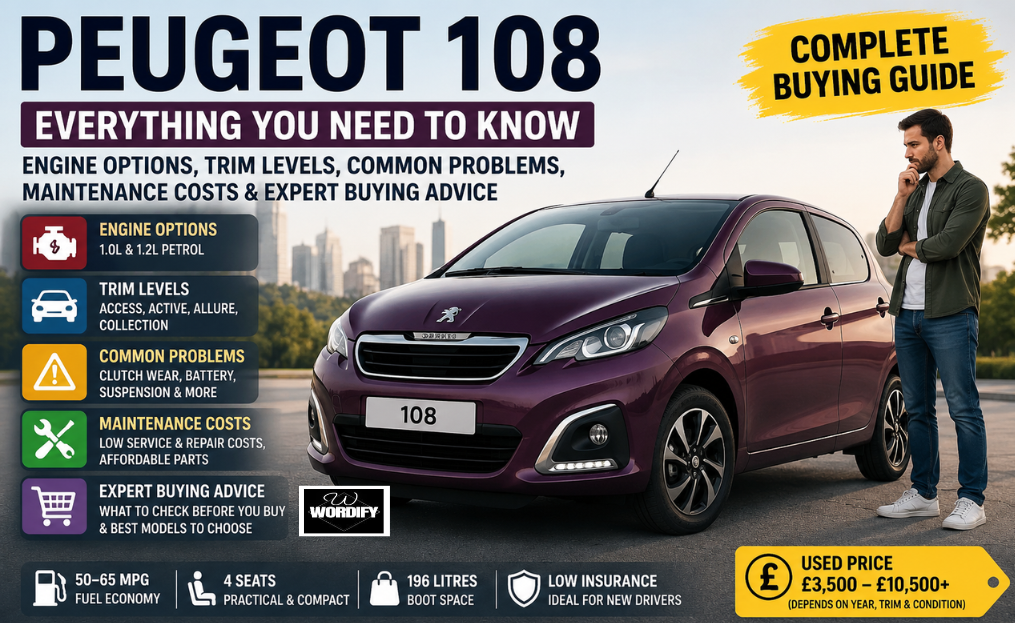
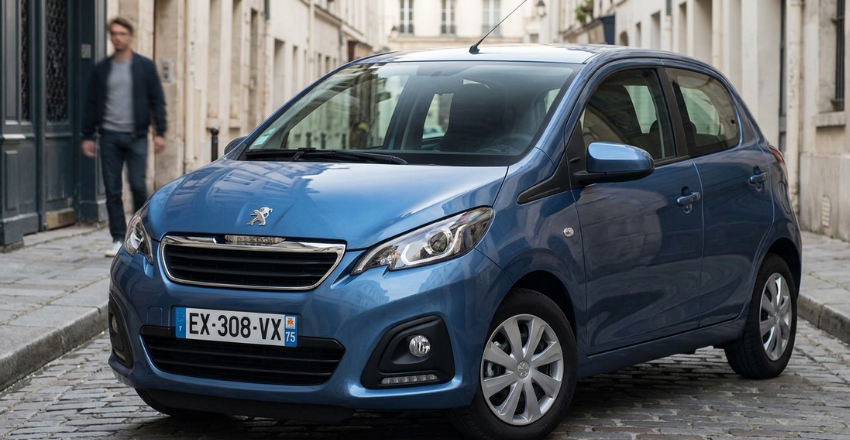
The Peugeot 108 is one of the most practical and budget-friendly city cars ever produced by Peugeot. Designed for urban driving, it offers excellent fuel economy, low running costs, compact dimensions, and easy handling. These qualities make it a popular choice for first-time drivers, daily commuters, and anyone looking for an affordable, reliable hatchback.
Manufactured between 2014 and 2021, the Peugeot 108 shares its platform with the Toyota Aygo and Citroën C1, giving it a strong reputation for reliability and cost-effective ownership. Its efficient petrol engines, modern styling, and low insurance costs have helped it remain a favorite in the used car market even after production ended.
Whether you’re planning to buy a used Peugeot 108 or simply want to learn more about the model, understanding its engine options, trim levels, pricing, fuel economy, common problems, maintenance requirements, and overall reliability is essential. This guide covers everything you need to know, along with expert buying advice to help you choose the right Peugeot 108 with confidence.
Peugeot 108 Specifications, Features, and Buying Guide briefly
| Feature | Details |
| Car Model | Peugeot 108 |
| Vehicle Type | City Hatchback |
| Production Years | 2014–2021 |
| Body Styles | 3-Door & 5-Door Hatchback |
| Engine Options | 1.0L & 1.2L Petrol |
| Transmission Choices | 5-Speed Manual / ETG Automatic |
| Fuel Type | Petrol |
| Drivetrain | Front-Wheel Drive (FWD) |
| Fuel Economy | Approximately 50–65 MPG |
| Power Output | 68–82 HP |
| Seating Capacity | 4 Passengers |
| Boot Capacity | 196 Liters |
| Insurance Group | Low (Ideal for New Drivers) |
| Road Tax | Generally Low (Model Dependent) |
| Used Car Price | Approximately £3,500–£10,000 (depending on model year, mileage, trim, and condition) |
| Most Popular Trim | Active |
| Premium Trim | Collection |
| Best Engine Choice | 1.0L Petrol Manual |
| Common Problems | Clutch Wear, Battery, Suspension, ETG Gearbox Hesitation |
| Reliability Rating | Very Good |
| Best For | City Driving & Daily Commuting |
| Main Competitors | Toyota Aygo, Citroën C1, Volkswagen Up, Hyundai i10 |
| Safety Rating | 4-Star Euro NCAP (2014) |
| Used Buying Tip | Choose a Full Service History |
| Overall Verdict | Affordable, Reliable, Fuel-Efficient, and Excellent for First-Time Buyers |
A Quick Introduction to the Peugeot 108
The Peugeot 108 is a compact city car built for tight parking spaces, low running costs, and stress-free driving. It’s part of a trio of near-identical siblings: the 108, the Citroën C1, and the Toyota Aygo, all built at the same factory in the Czech Republic. Despite its small size, the 108 punches above its weight in style, especially with the funky “Top!” convertible-style roof option.
Who is it best for?
- First-time drivers
- City commuters
- People wanting a cheap second car.
- Anyone on a tight budget who still wants a bit of personality
Engine Options Explained
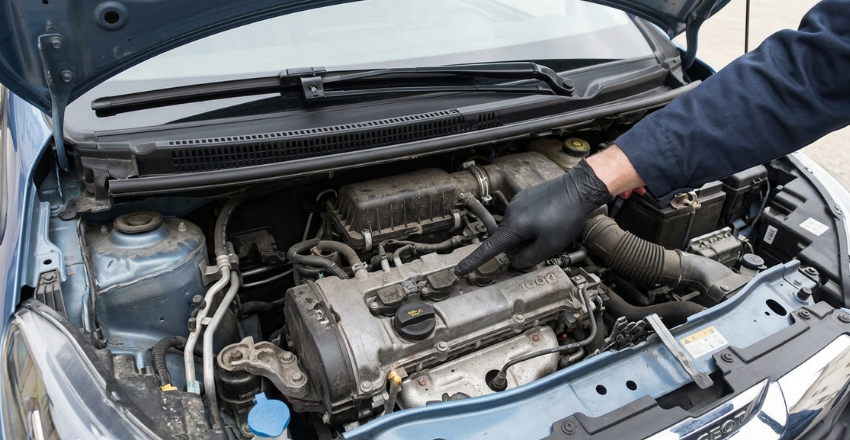
The Peugeot 108 kept things simple, and that’s part of its charm. There are only two engines to choose from throughout its production run.
1. The 1.0L Three-Cylinder Petrol (68hp)
This is the entry-level engine and by far the most common one you’ll find on the used market.
- Naturally aspirated (no turbo)
- 0–60mph in around 14 seconds
- Combined fuel economy: ~60mpg
- Best suited to city and short-distance driving
Pro Tip: If most of your driving is in town, this engine is genuinely all you need. It’s smooth, cheap to run, and mechanically very simple, meaning fewer things to go wrong.
2. The 1.2L PureTech Three-Cylinder Petrol (82hp)
Introduced as a mid-life update, this engine is noticeably peppier.
- 0–60mph in around 11 seconds
- Combined fuel economy: ~55–60mpg
- Better suited for motorway driving and overtaking
Important: The 1.2 PureTech engine is more powerful but has had reported issues with timing chains on other Peugeot/Citroën models that use the same engine family. Always check service history carefully (more on this below).
Engine Comparison Table
| Feature | 1.0L (68hp) | 1.2L PureTech (82hp) |
| 0–60mph | ~14 seconds | ~11 seconds |
| Fuel economy | ~60mpg | ~55–60mpg |
| Best for | City driving | Mixed/motorway driving |
| Reliability track record | Excellent | Good, but check timing chain history |
| Availability (used market) | Very common | Less common |
Trim Levels Breakdown
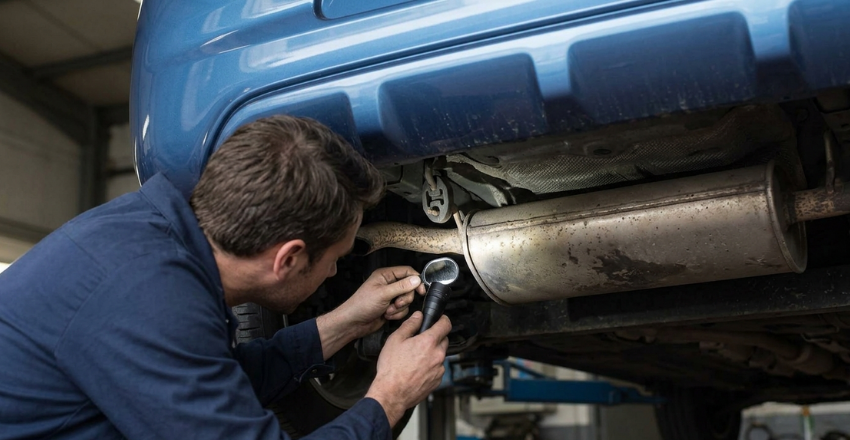
Peugeot offered several trim levels over the 108’s lifespan, though naming varied slightly by market and year. Here’s a simplified breakdown of what you’ll typically find.
Access / Access+
The basic trim; no-frills but includes the essentials.
- Electric front windows
- Remote central locking
- Basic radio/USB connection
Active
The sweet spot for most buyers.
- Air conditioning
- Bluetooth and touchscreen infotainment
- Cruise control
- Rear parking sensors (on some models)
Allure
The plusher trim, often bundled with styling extras.
- Alloy wheels
- Fog lights
- Upgraded interior trim
- Automatic climate control (on later versions)
Top (Convertible-style roof)
Not a trim, but a distinct body style with a fabric folding roof, available across multiple trim grades. Best Choice: For most used buyers, the Active trim offers the best balance of features and price. It has everything you actually use day-to-day without paying extra for cosmetic add-ons.
Common Problems to Watch Out For
No car is perfect, and the 108 is no exception. Here’s what tends to crop up.
1. Timing Chain Wear (1.2 PureTech engines)
Some owners of PureTech-engined Peugeot/Citroën/Toyota models have reported premature timing chain stretch, which can cause rattling noises at startup.
2. Battery Drain Issues
A handful of owners have reported unexplained battery drain, often linked to electrical modules staying “awake” longer than they should.
3. Clutch Wear (Manual Models)
Because it’s a popular first car, clutches can wear out faster than expected due to inexperienced driving habits; not necessarily a design flaw.
4. Air Conditioning Faults
Some higher-mileage examples develop AC compressor issues, particularly if the system hasn’t been regassed regularly.
5. Minor Trim Rattles
As with many budget-focused city cars, interior plastics can develop small rattles over time; cosmetic, not mechanical.
Peugeot 108 Price: How Much Does It Cost?

| Model Year | Estimated Price |
| 2014–2016 | £3,500–£5,500 |
| 2017–2019 | £5,500–£8,000 |
| 2020–2021 | £8,000–£10,500+ |
| Base Trim (Access) | Usually the most affordable option |
| Mid Trim (Active) | Offers the best value for money |
| Premium Trims (Allure & Collection) | Generally cost more due to additional features |
| Low-Mileage Models | Typically, priced higher |
| High-Mileage Models | Usually available at lower prices |
| Dealer Purchase | Higher price but often includes a warranty |
| Private Seller | Lower price but inspect the car carefully before buying |
Maintenance & Running Costs
One of the biggest selling points of the 108 is just how cheap it is to keep on the road.
Typical Annual Costs
- Insurance: Groups 1–8, often under £300/year for experienced drivers
- Road tax: Low, and free in some years depending on emissions band
- Servicing: £120–£180 for a standard service
- MOT: Standard rate, usually passes easily if maintained
Servicing Schedule (Simplified)
- Every 12 months or 10,000 miles: Oil and filter change
- Every 2 years: Air filter and spark plug check
- Every 4 years: Timing chain inspection (especially on 1.2 PureTech)
- Every 6 years: Coolant and brake fluid replacement
Pro Tip: Always ask for a full digital or stamped service history. A well-documented 108 will save you money and stress down the line.
Buying Advice: What to Check Before You Buy

Buying used? Here’s your practical checklist.
Pre-Purchase Checklist
- Check for a full, stamped service history.
- Listen for rattling on cold start (potential timing chain wear)
- Test the air conditioning thoroughly.
- Check tyre wear for signs of poor alignment.
- Inspect for any water ingress around the convertible roof (if buying a Top! model)
- Confirm MOT history has no recurring advisories.
- Test all electrics; windows, locks, infotainment.
Petrol Head or Practical Buyer? Which Engine Should You Choose?
If you mostly drive in town, 1.0L is fine, cheaper to insure, and simpler mechanically. If you do more motorway miles, 1.2L PureTech is worth the extra performance; just verify timing chain history first.
Final Verdict
The Peugeot 108 is proof that small cars don’t have to be boring or unreliable. With low running costs, simple mechanicals, and a stylish design, it remains one of the smartest choices for anyone shopping in the city car segment; new driver or not.
Do your homework, check that service history, listen for that telltale timing chain rattle, and you’ll likely end up with a car that serves you well for years without draining your wallet. Whether you go for the punchy 1.2 PureTech or the humble 1.0L, the 108 delivers exactly what it promises: easy, affordable, everyday motoring.
Want to know about Mainland to Hawaii: How to Get Your Vehicle There Without Overpaying Check out our Automobile category.
Frequently Asked Questions (FAQs)
Yes, generally speaking. It shares its mechanicals with the Toyota Aygo, which has a strong reputation for reliability, though the 1.2 PureTech engine needs closer attention to the timing chain’s health.
Most versions sit in insurance groups 1–8, making it one of the cheapest cars to insure, especially for young or new drivers.
They’re mechanically almost identical, built on the same platform at the same factory. Differences come down to styling, interior finish, and slight suspension tuning.
If you do a mix of city and motorway driving, yes, it’s noticeably quicker. If you’re mostly in town, the 1.0L is simpler and just as capable for your needs.
Typically between £120 and £180 for a standard annual service, depending on your location and garage.