
The five things most likely to damage your car are skipped servicing, the wrong or poor-quality fuel, neglected tyres, overdue oil changes and accidents that are never properly inspected afterwards. Almost all of the damage they cause builds slowly and silently, which is why a few minutes of regular checks saves far more money than it costs.
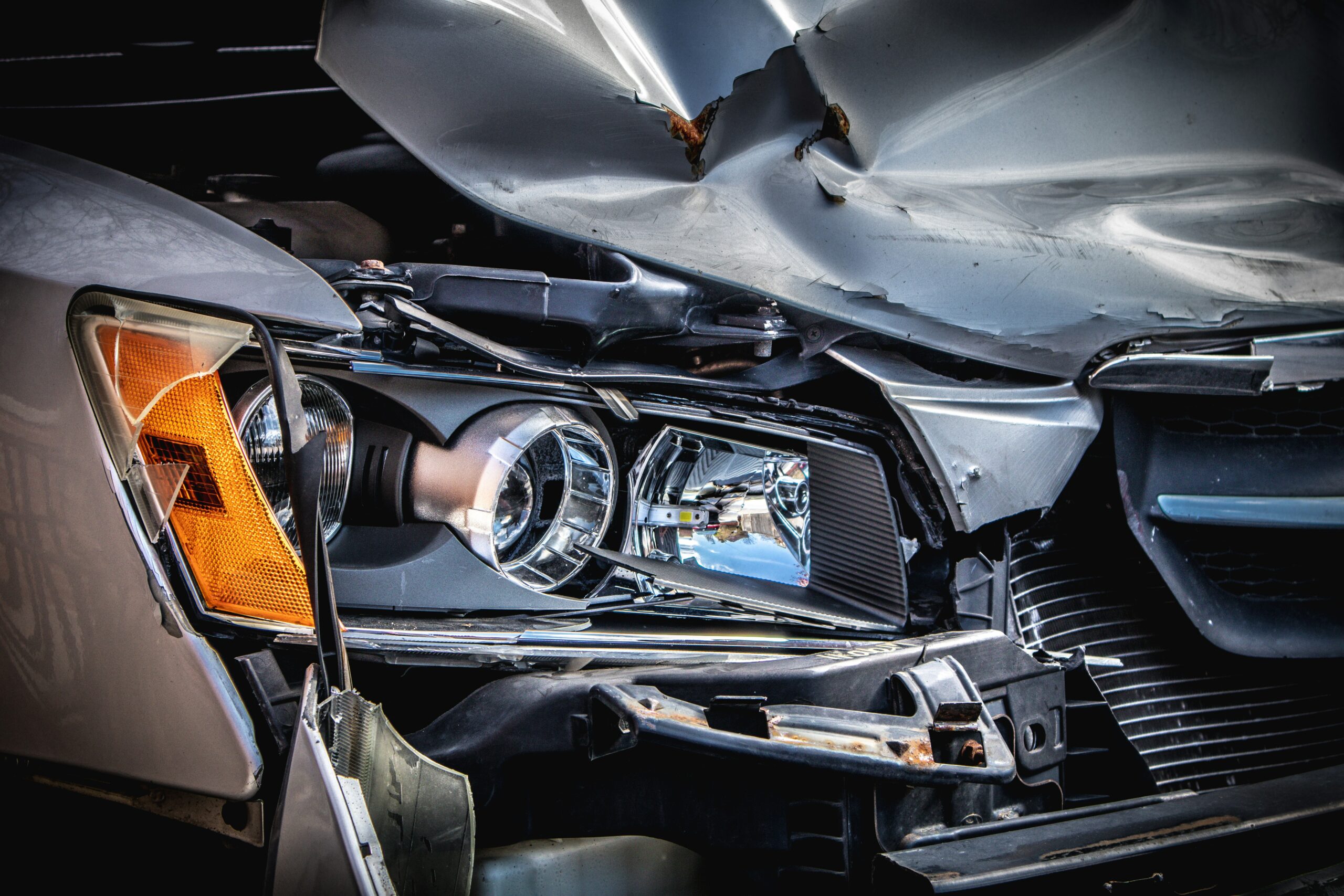
Photo from Unsplash
A car is one of the biggest purchases most people make, and keeping it reliable takes more than filling up and driving off. Below, each of the five problems is explained with what actually happens to the car, the warning signs to look for and the habits that prevent it.
Quick Overview: What Damages Your Car and What It Costs You
| Cause | What It Damages | Early Warning Signs | Prevention |
|---|---|---|---|
| Skipped servicing | Engine, brakes, cooling system | Warning lights, odd noises, overheating | Follow the manufacturer’s service schedule |
| Wrong or poor fuel | Fuel system, engine | Knocking, rough running, poor economy | Use the correct fuel and grade from reputable stations |
| Neglected tyres | Tyres, suspension, steering | Uneven wear, pulling to one side, vibration | Monthly pressure and tread checks, alignment when needed |
| Overdue oil changes | Engine internals, turbo | Oil warning light, dark sludgy oil, ticking | Change oil and filter on schedule |
| Uninspected accident damage | Frame, alignment, safety systems | Pulling, new noises, panel gaps | Professional inspection after any collision |
1. Ignoring Regular Maintenance
Regular maintenance is the backbone of car care. A service covers fluid levels, brakes, filters, belts, lights and many components that wear gradually. When these checks are skipped, small, cheap issues quietly grow into large ones. Low coolant, for example, can lead to overheating, which in turn can warp a cylinder head or damage the head gasket, both expensive repairs.
Build a simple routine you will actually stick to:
- Follow the service intervals in your owner’s handbook, either by mileage or time, whichever comes first.
- Check oil, coolant, screenwash and brake fluid levels roughly once a month with the engine cold and the car on level ground.
- Never ignore dashboard warning lights. Amber usually means “get it checked soon”; red usually means “stop safely as soon as possible”.
- Keep a log of services and repairs on your phone or in a notebook. It helps you spot patterns and supports resale value.
In the UK, cars over three years old also need an annual MOT. An MOT checks roadworthiness and safety; it is not a substitute for a service, so plan for both.
2. Using the Wrong or Poor-Quality Fuel
Fuel quality and type play a direct role in your car’s performance. The most damaging fuel mistake is misfuelling, such as putting petrol in a diesel. If you realise before starting the engine, do not turn the ignition on; call your breakdown provider so the tank can be drained. Running the engine spreads the wrong fuel through the system and can cause serious damage.
Beyond misfuelling, use the grade your manufacturer recommends. Some performance engines are designed for higher-octane super unleaded, and using a lower grade in those cars can cause knocking and reduced efficiency. For most everyday cars designed for standard unleaded, premium fuel offers limited benefit, although some premium fuels contain additional detergent additives that may help keep injectors clean. Your handbook is the best guide.
Other sensible fuel habits:
- Fill up at busy, reputable forecourts where fuel turns over quickly.
- Avoid regularly running the tank close to empty, which can draw sediment into the fuel system and strain the fuel pump on some cars.
- Check whether your car is compatible with the fuel blend sold at the pump; the label on the pump and fuel cap will tell you.
3. Neglecting Tyre Care
Tyres are the only part of your car touching the road, so their condition affects braking, handling, fuel economy and safety. Under-inflated tyres flex more, run hotter and wear faster on the edges. Over-inflated tyres wear in the centre and reduce grip. Both make the car less predictable in an emergency stop.
Monthly Tyre Checklist
- Check pressures when the tyres are cold, using the figures in your handbook or on the sticker inside the door frame or fuel flap.
- Measure tread depth. The UK legal minimum for cars is 1.6 mm across the central three-quarters of the tread, but many experts recommend replacing well before that.
- Look for cuts, bulges and objects such as screws in the tread or sidewall.
- Check for uneven wear, which can signal misalignment or worn suspension parts.
- Don’t forget the spare, if you have one, or check that the inflation kit is in date.
Wheel alignment and, on some cars, tyre rotation help tyres wear evenly. If the car pulls to one side, the steering wheel is off-centre when driving straight, or you have hit a kerb or deep pothole hard, have the alignment checked. Ignoring it wears tyres out quickly and can put extra strain on steering and suspension parts.
4. Skipping Oil Changes
Engine oil lubricates moving parts, reduces friction, carries heat away and holds contaminants in suspension until they are trapped by the filter. Over time, oil breaks down and becomes less effective. Skipping oil changes leads to sludge, increased wear and, in the worst cases, engine failure or damage to a turbocharger. It is a simple yet crucial task that should never be overlooked.
How often you need an oil change depends on the car model, engine type, oil specification and how you drive. Lots of short journeys, stop-start traffic, towing and very cold weather all count as harder use. Always replace the oil filter at the same time, as a clogged filter cancels out much of the benefit of fresh oil.
Tips to get it right:
- Use oil that matches the viscosity and specification in your handbook, not just whatever is on offer.
- Check the dipstick between services; some engines consume a little oil naturally, and running low is damaging.
- If your car has an oil-life monitor, follow it, but do not exceed the maximum interval stated by the manufacturer.
5. Accidents and Hidden Collision Damage
Accidents can damage a car in ways you cannot see. Even a low-speed bump can knock out wheel alignment, crack a bumper bracket, damage sensors used for parking or driver-assistance features, or affect the structure underneath. Left unrepaired, that damage can affect safety and lead to bigger repair bills.
After any collision:
- Make sure everyone is safe and move vehicles out of danger if possible.
- Exchange details with the other driver and take photos of the scene and damage.
- Report the incident to the police where required and inform your insurer promptly.
- Get a copy of any official accident report for your records.
- Have the car inspected by a qualified professional, even if the damage looks cosmetic.
Paperwork matters because it supports insurance claims and protects you if liability is disputed later. How you get an official report depends on where the accident happened. If you were driving in the United States, for example, a Georgia accident report provides details such as the time, location and parties involved. In the UK, your insurer and the police will guide you on what records are available. For anything involving injury or a disputed claim, speak to your insurer or a qualified legal adviser.
Other Habits That Quietly Damage Your Car
- Hard acceleration and braking from cold, before the engine oil is warm.
- Riding the clutch or resting a hand on the gear lever in manual cars.
- Regularly carrying heavy loads that strain the suspension and brakes.
- Driving through deep standing water, which can damage the engine if water is drawn into the air intake.
- Leaving road salt and grime on the car through winter, which speeds up corrosion underneath.
Worn brakes are another common source of expensive damage. If you want to understand how worn pads affect discs, read our guide on whether bad brake pads can damage Rolls-Royce discs.
Bottom Line
Most car damage is avoidable. Service the car on schedule, use the right fuel, check tyres monthly, keep the oil fresh and have the car inspected after any collision, however minor. These habits cost little time and save far more than they cost in repairs, breakdowns and lost resale value. For more car care advice, browse our Automobile category.
Frequently Asked Questions
How often should I service my car?
Follow the schedule in your owner’s handbook, which is usually based on mileage or time, whichever comes first. Many cars need a service every 12 months or so, but intervals vary by make and engine. Cars that do many short trips may benefit from more frequent checks.
What happens if I put petrol in a diesel car?
Do not start the engine or switch on the ignition if you notice before driving. Call your breakdown provider so the tank can be drained safely. Running the engine circulates the wrong fuel and can cause costly damage to the fuel system.
Is premium fuel better for my car?
Only if your manufacturer recommends it. Some performance engines are designed for higher-octane fuel, but most everyday cars run correctly on standard unleaded. Some premium fuels contain extra cleaning additives, which may offer a modest benefit over time.
How can I tell if my tyres need replacing?
Check tread depth regularly; the UK legal minimum for cars is 1.6 mm across the central three-quarters of the tread. Also replace tyres that have cuts, bulges or exposed cord. Old tyres can harden and crack even with good tread, so look at their age as well.
Should I get my car checked after a minor accident?
Yes. Low-speed collisions can damage alignment, sensors, brackets and structural parts without obvious signs. A professional inspection protects your safety and supports any insurance claim.