

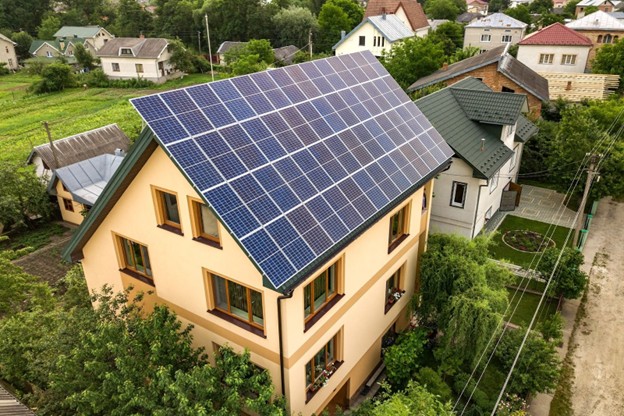
Australia has been experiencing a consistent rise in energy costs over recent years. Many households are feeling the pinch, searching for ways to alleviate their monthly expenses. Enter solar systems—an increasingly popular solution for reducing energy costs. Thanks to Australia’s sunny climate, harnessing solar power is not only feasible but also highly beneficial. Besides lowering electricity bills, solar systems have substantial economic and environmental benefits, which make them a wise investment for any homeowner.
Understanding How Solar Systems Work
Solar systems are designed to capture sunlight and convert it into electricity. The main components include solar panels, an inverter, and often battery storage. Solar panels, typically installed on rooftops, absorb sunlight and use photovoltaic cells to convert it into direct current (DC) electricity. The inverter then transforms this DC electricity into alternating current (AC), which powers household appliances.
Excess electricity generated by the solar system can be fed back into the electrical grid, a process that plays a critical role in managing energy costs. This is where net metering comes in. Net metering allows homeowners to receive credits on their electricity bills for the energy they contribute to the grid. This mechanism not only saves money but also helps balance energy consumption, as credits can be used during times when solar generation is low, such as nighttime or cloudy days.
The Financial Benefits of Installing Solar Systems
Reducing monthly electricity bills is one of the most attractive benefits of solar systems. By generating electricity at home, reliance on the grid decreases, leading to significant savings. Moreover, the Australian government offers various incentives and rebates to encourage solar installations. These incentives can considerably reduce the upfront cost of installation, making solar systems more accessible to homeowners.
Over time, the savings accumulate, resulting in a healthy return on investment. While initial setup costs may seem steep, typical solar systems can pay for themselves within five to seven years through reduced energy bills. Using a solar savings calculation allows homeowners to better understand potential returns based on system size, household energy usage, and local electricity rates.
A typical outcome for many homeowners involves substantial cost reductions. For instance, a family using a standard 5kW solar system might save hundreds of dollars annually, depending on their energy usage patterns. This saving can make a significant difference in a household’s budget.
Environmental Impact of Solar Systems
Switching to solar energy considerably reduces one’s carbon footprint. Unlike fossil fuels, solar power is clean and does not emit greenhouse gases. Implementing solar systems contributes to sustainable living practices, crucial in the fight against climate change.
Moreover, solar energy decreases dependence on fossil fuels, which are finite and damaging to our environment. By investing in solar systems, Australia can tap into its abundant natural resources while preserving them for future generations. Conservation efforts are bolstered through solar technology, promoting cleaner air and a healthier environment for all.
Choosing the Right Solar System for Your Home
Selecting the appropriate solar system requires considering several factors: roof size, household energy needs, and budget are primary considerations. The size and orientation of the roof can affect the system’s efficiency, as can local climate conditions and shading from trees or buildings.
Different types of solar panels and inverters are available, each offering distinct advantages. Monocrystalline panels, though generally more expensive, are known for higher efficiency. In contrast, polycrystalline panels offer an affordable alternative, albeit with slightly less efficiency. Professional installation is crucial to ensure the system’s safety and performance. Thus, choosing experienced and trustworthy installers with good reviews and warranties is essential.
To find reputable solar system providers, it’s wise to obtain multiple quotes, check customer testimonials, and verify certifications. After all, a quality system requires the hands of experts to set it up right.
Overcoming Challenges and Maximizing Efficiency
Although solar systems are advantageous, they aren’t without challenges. Common issues include initial costs, maintenance, and energy storage. However, solutions are available to optimise energy production and efficiency.
Regular monitoring and maintenance can prevent problems before they start. Many modern solar systems come with online monitoring platforms, enabling homeowners to track energy production and usage. Such oversight helps maintain optimal system performance.
For energy storage, batteries offer a viable solution. They store excess energy generated during the day for use during non-productive hours. While batteries represent an additional expense, they provide energy independence and reduce reliance on the grid.
Conclusion
In closing, solar systems offer profound financial and environmental benefits. By lowering electricity bills and promoting clean energy, they represent a pivotal shift toward sustainable living. Australian households would do well to consider transitioning to solar energy, not only to take advantage of incentives and rebates but to contribute to a renewable future.
With the ongoing trend of rising energy costs, investing in solar power is a forward-thinking decision. The benefits of solar energy extend beyond immediate savings, positioning homeowners well for future energy landscapes. For those inspired to take the next step, consulting with solar energy experts to ‘estimate your solar savings’ can provide personalised insights and guidance.
If you want to know more about Solar Energy Storage Helps Smart Home Upgrades: Enhance Sustainability, then visit our Home Improvement category.