

- Smart homes are evolving beyond convenience, offering improved energy efficiency, automation, and adaptive features.
- Energy storage solutions are becoming essential to support self-reliant, resilient home systems.
- Security and sustainability are now interconnected through technology that works even when the grid goes down.
- Homeowners are future-proofing their investments by integrating smart tech and clean energy systems that boost long-term value.
You’ve probably noticed it already—your home is getting smarter. From voice assistants managing playlists to lights that switch off when no one’s in the room, technology is quietly reshaping everyday living. But there’s something even bigger behind the scenes: how we power and protect our homes is changing just as rapidly.
The smart home revolution used to be all about convenience. Now, it’s about control, sustainability, and resilience. With rising energy costs, frequent blackouts, and growing concerns around climate change, homeowners are rethinking what it means to live comfortably. That’s where the new generation of smart homes comes in—ones that respond to your voice and power themselves, safeguard your family, and save you money in the long run.
This shift isn’t just cool tech for tech’s sake. It’s the beginning of a smarter, safer, and more self-sufficient way to live.
The Smart Home Movement Is More Than Convenience
When smart home tech first entered mainstream living, it felt a bit like a novelty. A thermostat that could learn your habits? Fun. A fridge that texts you when you’re out of milk? Entertaining, maybe even a little ridiculous. But today’s smart homes are a completely different story.
Now, it’s not just about quirky gadgets. It’s about creating a home that adapts to you and helps you live more efficiently. Think about motion sensors that reduce wasted electricity, lighting systems that adjust based on the time of day, or blinds that close automatically during hot afternoons to reduce cooling costs. These systems don’t just make life easier; they’re making homes more energy-efficient and cost-effective.
But there’s more to the story. As homes get smarter, they’re becoming more aware—not just of your habits, but of the world around them. Integrated weather forecasting can prompt your windows to close before it rains. Smart water sensors can alert you to leaks before they become expensive disasters. This isn’t just technology reacting to your commands—it’s working in the background to protect and support your lifestyle.
We’re entering an era where your home isn’t just a shelter, it’s an active participant in your well-being.
Energy Independence Is Becoming a Core Feature
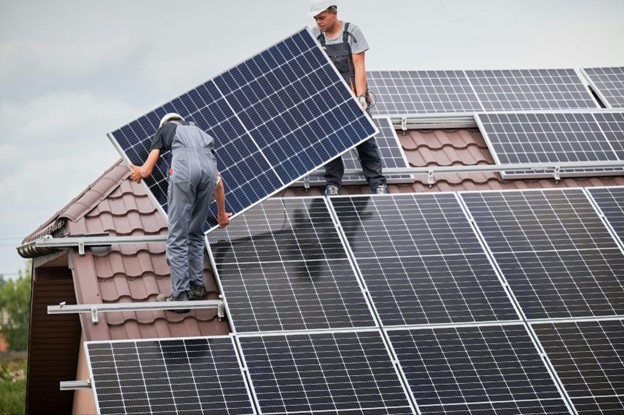
As smart homes evolve, one of the biggest shifts is happening behind the scenes—literally. It’s in the way your home stores and uses energy. Solar panels have become a common sight on rooftops, but panels alone aren’t enough anymore. To truly take control of your energy use, storage is essential.
Homeowners are considering solar battery storage to boost independence and peace of mind. Instead of feeding excess solar energy back into the grid (hoping you get decent credit), storage systems allow you to keep that power when needed, like during peak pricing hours or unexpected outages.
This change is fundamental in areas where the grid is less reliable or weather events are becoming more intense. Having stored energy on-site means your smart home can stay online even when the neighborhood darkens. It’s not just about saving on utility bills—though that’s a bonus—it’s about resilience. It’s about knowing your freezer won’t thaw in a blackout and your security system stays active, no matter what.
Energy independence quickly moves from “nice to have” to a key feature of future-ready homes.
Security and Sustainability Are Now Linked
When you think about home security, your mind probably goes to cameras, smart locks, maybe an alarm system that texts you if something’s up. That’s all still true, but the definition of security is expanding. Protecting what matters most in a modern smart home isn’t just about stopping break-ins. It’s also about ensuring the lights stay on, the fridge stays cold, and your home can withstand the unexpected.
Energy reliability is now part of personal safety. Smart homes can maintain crucial systems even during a power outage with solar systems and energy storage. Picture this: a storm rolls through, knocks out the grid, and while the rest of the block goes dark, your house keeps humming. Your security cameras stay online. Your floodlights activate if there’s movement outside. Even your doorbell still rings.
That level of self-sufficiency creates a kind of security that goes beyond traditional alarm systems. It’s a shift toward homes built not just to react, but to anticipate. Automated lighting deters intruders even if you’re not home. Smart sensors can notify you the moment a window is opened unexpectedly. And because these systems run on stored solar power, they keep working when you need them most.
The combination of smart technology and sustainable energy is redefining what it means to feel truly safe in one’s space.
How Homeowners Are Future-Proofing Their Properties
If you think all of this sounds futuristic, you’re right—but it’s also happening. Across the country, more homeowners are investing in technology for today’s convenience and tomorrow’s value.
Smart home features and integrated energy systems are becoming a selling point, not a side note. Buyers aren’t just impressed by shiny gadgets—they’re looking for homes that promise lower operating costs, stronger resilience to grid issues, and a lighter environmental footprint. In some markets, homes with solar and intelligent automation can command a premium. And it’s not just about resale. Insurance companies are beginning to reward homes that are more secure and less prone to damage, giving discounts for systems that detect leaks, fires, or intrusions.
Beyond that, future-proofing your home means preparing for change. Energy prices fluctuate, weather patterns shift, and regulations evolve. Homes that can adapt—automatically, intelligently, and efficiently—are the ones that will stay ahead. Think of it like this: you’re not just upgrading your thermostat but your entire way of living.
In real-life examples, families who’ve embraced these technologies talk about peace of mind. Whether it’s knowing their elderly parents can control the lights with their voice, or that their power system can keep the heat running during a winter storm, these upgrades go far beyond comfort—they offer a sense of preparedness.
As more tech becomes available and affordable, this trend isn’t slowing down—it’s accelerating. Today’s smart homes are setting the standard for tomorrow’s homes.
Conclusion
Smart homes aren’t just a flashy trend or a collection of cool gadgets—they’re becoming the blueprint for how we live better, safer, and more sustainably. From managing energy use to protecting your home during unexpected outages, the new wave of home tech is focused on integration and resilience.
As our expectations of what a home should do evolve, so does the technology that powers it. We’re moving into a future where homes don’t just serve us—they actively support our comfort, security, and independence. Whether you’re making the switch all at once or taking it step by step, the shift toward smarter living is underway. And it’s not just for tech enthusiasts—it’s for anyone who wants to feel more in control, secure, and prepared for whatever comes next.
Apart from that if you want to know about Home Repairs then please visit our Home Improvement Category.