

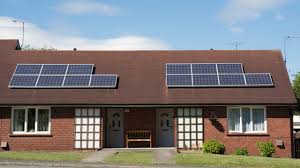
Understanding Solar Energy Storage
Solar energy storage is a key component in making your home smarter and more energy-efficient. By storing excess energy, you can reduce energy bills and rely less on the power grid.
Basics of Solar Power and Storage
Solar power systems use solar panels to capture energy from the sun. These panels convert sunlight into electricity that you can use in your home. Energy storage systems store any extra energy your panels generate for later use, especially when the sun isn’t shining.
There are various types of battery storage systems. Lithium-ion batteries are popular for their efficiency and capacity. They allow you to use stored solar energy during the evening or cloudy days, ensuring you always have access to clean, renewable power.
With storage, your home can become resilient. Even if the power grid has issues, your stored solar energy can keep the lights on and appliances running smoothly. Considering battery storage is essential for anyone investing in solar power.
Comparing Monocrystalline and Other Solar Panels
When choosing solar panels, you might come across terms like monocrystalline, polycrystalline, and thin-film panels. Monocrystalline panels are made from a single silicon crystal, making them more efficient in converting sunlight. They tend to perform better in low-light conditions, like cloudy days.
Polycrystalline panels are generally cheaper but offer slightly less efficiency than monocrystalline panels. They are created from multiple silicon crystals, which can affect their performance.
Thin-film panels are another option, being lightweight and flexible. Though less efficient than both monocrystalline and polycrystalline panels, they are easier to install. When choosing panels, consider the efficiency and cost to determine the best solution for your needs.
The Role of Solar Energy in Smart Homes
Solar energy is changing how you power your smart homes by providing clean, renewable energy. It helps reduce electricity bills, enhances energy efficiency, and increases your home’s value. This energy source also empowers you to manage your energy usage more effectively.
Integration of Solar Panels and Smart Home Technology
By installing solar panels, you harness the sun’s energy for powering your smart home. These panels convert sunlight into electricity, reducing your reliance on traditional energy sources and cutting costs. In a smart home, solar panels often work with devices and systems to maximize energy efficiency.
Smart thermostats, lighting, and appliances can operate more effectively on solar power. When paired with smart home technology, solar panels can adjust to energy demands, ensuring your home uses just the right amount of power when needed. This setup not only supports greener energy usage but also enables you to have greater control over your home’s energy management.
Home Energy Management Systems
Home Energy Management Systems (HEMS) play a crucial role in smart homes powered by solar energy. These systems monitor, control, and optimize the energy flow from your solar panels and ensure everything runs smoothly. They can track how much electricity your home generates and uses, giving you insights into your energy consumption.
With HEMS, you can manage energy use efficiently, deciding when to store power in batteries or use it immediately. This system integrates with a variety of smart devices, allowing you to easily adjust your settings and make informed decisions. You become more self-sufficient and capable of reducing your carbon footprint with smart energy solutions.
Economic Benefits of Solar Energy Storage
Solar energy storage can save money on electricity bills and boost home values. It combines clean, renewable energy with smart home tech for huge benefits.
Reducing Electricity Bills with Solar Storage
By storing solar energy, you use more of what your panels create, cutting down on what you buy from the grid. Imagine powering appliances even at night without extra costs. Battery storage systems help store extra energy during peak sunlight hours, letting you use it later. This means fewer surprises with electricity bills, making budgeting easier.
Some regions offer incentives, like tax credits, for using solar storage. This adds to your savings. Over time, the combined savings from reduced energy costs and potential incentives quickly offset the initial investment.
Increasing Home Value with Renewable Solutions
Solar storage systems can enhance your home’s value. Homes equipped with renewable energy solutions often appeal more to buyers. As more people look for eco-friendly options, your home’s worth may increase.
A solar storage system can also set your property apart from others. It’s an investment that not only cuts energy costs but can make a home more attractive. When selling, you can highlight the potential savings a buyer might get. This could result in better offers, enhancing your return on investment.
Advantages of Energy Independence
Energy independence provides a reliable power source and can lead to cost savings. It increases safety by offering a backup during emergencies and helps contribute to a stable power grid.
Achieving Energy Self-Sufficiency
By using solar panels and energy storage systems, you can produce your own electricity at home. This means you’re not always relying on the local utility company. When your home makes its own power, you can manage your energy consumption better. Energy independence is not just about saving money on electric bills; it also brings peace of mind. You become less affected by energy price hikes.
If there’s a power outage, your stored energy can keep vital appliances running. You’ll have a backup power source to keep systems like lighting, heating, or medical equipment operational during emergencies. The ability to rely on your own resources enhances your total energy security.
The Impact on Grid Stability and Safety
More homes using solar energy and storage can lead to a more stable electricity grid. When you generate your own power, the demand on the public grid decreases. This helps in times of high demand or shortages. It reduces the risk of blackouts and keeps the grid safer for everyone.
When homes store and use their energy efficiently, there are fewer peaks and dips in energy demand. This balance is crucial for grid operators. Plus, during emergencies, having individual sources of power lessens the burden on emergency services and prevents overload. Your energy independence contributes to a safer, more resilient energy system for all.
Ecological and Sustainable Energy Insights
Using solar energy in your smart home can greatly benefit the environment. It reduces reliance on fossil fuels, lowers your carbon footprint, and uses sunlight—a powerful and renewable energy source.
Reducing Carbon Footprint with Solar Energy
Switching to solar energy significantly cuts down on greenhouse gas emissions. When you power your home with solar panels, you reduce the need for electricity from coal or natural gas plants. This means fewer harmful emissions, like carbon dioxide, entering the atmosphere.
Solar energy is clean and abundant. Every unit of solar power you use at home offers a more sustainable alternative compared to traditional energy. This shift helps lower the carbon footprint of your home while promoting a healthier planet. It’s a small change, but when many make it, the impact grows.
Solar as a Sustainable and Renewable Energy Source
Solar energy stands out for its sustainability. Sunlight is free, plentiful, and continually replenished, unlike fossil fuels, which are finite. Making use of solar panels ensures that you’re tapping into a renewable energy source that won’t run out.
Utilizing the sun’s energy not only supports a sustainable lifestyle but also aids in energy independence. Solar technology reduces reliance on imported fuels and supports local economies. By investing in solar panels, you are embracing a green future. You can trust this renewable source to power your home while being kind to the environment.
Solar Energy Storage Installation
Installing solar energy storage can enhance the efficiency of your smart home upgrades. This process can help you store energy for future use, reduce electricity bills, and ensure a reliable power supply.
Navigating the Installation Process of Solar Solutions
To start, assess your energy needs. Determine how much energy you commonly use and the storage capacity you might need. This ensures you choose the right storage solution, whether it’s a small or large battery system.
Next, find a reputable installer. Look for certified professionals who specialize in solar energy storage. This can often be someone who partners with a trusted solar company. Ask for recommendations and read customer reviews to make sure you select the best one.
Once you’ve hired someone, the installer will evaluate your home. They’ll check your roof and electrical setup to ensure compatibility with the battery system. This step helps avoid future complications.
Finally, after installation, you will be provided a user guide. This will include details on monitoring energy storage, maintenance, and troubleshooting. Knowing how to manage your system is crucial for long-term efficiency and savings.
Apart from that if you want to know about “How to Improve Your Home’s Energy Efficiency With Exterior Renovations” then please visit our Home Improvement Category.