

Understanding Generators for Camping
When camping, having a reliable source of power is crucial. Different types of generators serve various needs. It’s important to know the differences, especially when considering inverter models or traditional generators.
Types of Camping Generators
There are several types of generators you might consider for camping. Portable generators are convenient and can be used to power several devices. They are usually gas-powered and might be a bit heavy. A propane generator is a cleaner-burning option. If you want something environmentally friendly, solar generators are a great choice, harnessing energy from the sun, though they depend on sunny weather.
On the other hand, inverter generators are compact and fuel-efficient. They provide stable power, making them suitable for sensitive electronics like phones and laptops. Brands like Honda offer reliable inverter generators known for their quiet operation. If silence is golden for you, consider this option.
Generator vs. Inverter: What’s the Difference?
A regular generator produces electricity through a gas-powered engine, outputting a steady power flow. These are great for running larger appliances but can be noisy and less efficient.
Inverter generators, however, differ significantly. They convert AC power to DC and back to AC, ensuring a smoother flow of power. This makes them safe for electronics. They’re typically more fuel-efficient and lightweight.
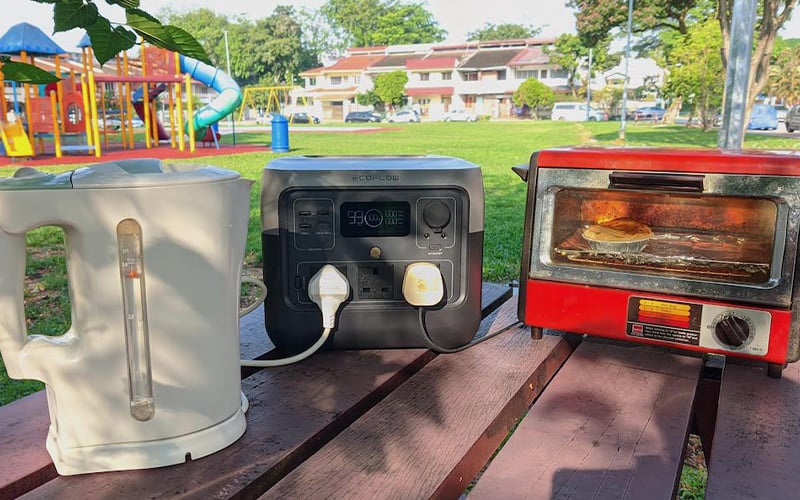
Portable power stations also offer another alternative; they store energy in large batteries and are silent. They often feature solar charging capabilities. Your choice depends on your power needs and how much noise or pollution you’re willing to tolerate.
The Importance of Portable Power
Having portable power is great for camping. It lets you enjoy nature without missing some comforts of home. Portable generators give you the electricity you need for lights, cooking, and even charging your phone. With these, camping trips become more comfortable and enjoyable.
Imagine you’re deep in the forest. You want to watch a movie before bed. A portable power station can make that happen. It’s a small, quiet power source that keeps things as peaceful as they are in nature.
There’s also the benefit of solar panels. These capture energy from the sun, so you’re using clean energy. It’s an eco-friendly choice, and you won’t hear a noisy generator buzzing. Plus, it’s kind to the planet!
In emergencies, these power sources can be lifesavers. Imagine a storm on your trip. Having emergency power means you can keep your flashlight charged and your phone ready.
With different sizes and capacities, portable generators fit various needs. Whether you’re backpacking or setting up a big camp with friends, you’ll find a power solution that works. They’re designed to be easy to carry and use.
In short, portable power supports a fun, comfortable, and eco-friendly camping experience. Packing a generator or power station means you’re ready for anything, ensuring a safe and enjoyable trip.
Choosing the Right Generator for Outdoor Adventures
Choosing the right generator for your outdoor adventures is important. You will need to think about power capacity, fuel type, and noise levels.
Considering Power Capacity
When picking a generator, start with its power capacity. Think about the devices you plan to bring. For small trips, a compact generator with less than 1000W can be enough for charging phones and running LED lights. If you have more gear, like a mini-fridge or a few fans, look for models ranging from 2000W to 3000W.
Inverter generators are popular for camping. They provide stable power, which is great for sensitive electronics. Brands like Honda offer reliable inverter models that balance capacity with portability.
Fuel Type and Efficiency
Fuel type is a big factor. Common options include gasoline, propane, and solar power. Gasoline generators are often easy to refill but can be noisy. Propane generators are clean-burning and easy to transport, making them ideal for eco-friendly campers.
Solar generators are silent and don’t need fuel, working best in sunny conditions. Consider inverter generators for efficient fuel use and lower emissions. Look at fuel tank size and runtime; longer durations mean fewer interruptions during your trip.
Noise Levels and Environmental Impact
Noise is key when camping. Inverter generators are quieter than traditional models, putting them at the top of lists for campers. Honda generators often have special settings for reduced noise, which is a plus in quiet, natural settings.
The environmental impact should weigh into your choice. Opt for generators producing fewer emissions, like solar options or those with eco-modes. Check if the generator is compliant with local regulations on noise and emissions to minimize your environmental footprint.
Generator Maintenance and Safety Tips
Taking care of your camping generator is key to enjoying your outdoor adventure. You’ll want to keep it running smoothly by performing regular maintenance and following important safety guidelines.
Routine Checks and Cleaning
For your generator to perform well, regular checks are crucial. Start by inspecting the fuel system. Look for any leaks or cracks in the hoses. Keep the air filters clean and replace them if they are dirty. Cleaning or replacing them regularly helps the generator run efficiently.
Next, examine the spark plug. Cleaning or replacing the spark plug ensures smooth starts. Oil levels need checking, too. Refer to your generator’s manual for the right oil type and change intervals. Before each trip, run the generator to check for any strange noises or issues.
Finally, keep the generator clean. Wipe off dust and dirt with a dry cloth. Store it in a dry, safe place when not in use. This prevents rust and makes sure it’s ready for your next camping trip.
Safe Operation Practices
Safety matters a lot when using a portable generator. Position it outside, away from doors, windows, and vents. This keeps harmful fumes, like carbon monoxide, from entering your tent or RV. Follow the 20-25 feet rule to maintain a safe distance.
Don’t use the generator in wet areas. If it’s raining, cover it with a canopy, but make sure there’s good ventilation. Always use grounded extension cords that are rated for outdoor use to reduce the risk of electrical shock.
Consider the noise levels, too. Running the generator during quiet hours may disturb your camping neighbors. By using ear protection, you can also protect your hearing during operation.
Remember these tips for a safe and trouble-free camping experience.
Event-Specific Generator Use
When planning outdoor events, having a reliable power source is crucial. Whether you’re setting up a tailgate party or ensuring backup power during outages, finding the right generator can enhance your experience.
Generators for Tailgating Events
Tailgating is all about enjoying good times with friends and family, typically near sports events. To make these gatherings a hit, you might need portable generators to power grills, speakers, and TVs.
Battery-powered generators are useful for tailgating because they are quiet and don’t produce fumes. Solar generators are also becoming popular due to their eco-friendliness, although they depend on sunlight.
Check your generator’s power output against your needs to ensure it can handle your appliances and gadgets. Always have extra batteries or solar panels, particularly for longer events.
Back-up Power for Power Outages
When an unexpected power outage hits, having a backup generator can keep the lights on and essential appliances running. Consider here the durability and runtime of generators. Mobile diesel generators are popular because they are strong and can run for longer periods. They are great if you need to power larger appliances and systems.
Battery-powered generators can be a good option for running smaller devices and appliances. Make sure you know how to connect your devices safely, and ensure moderation in their use so the generator doesn’t get overloaded. Keeping your backup power source ready and maintained ensures you’re always prepared for emergencies.
Apart from that if you want to know about “MacBook Air 2019: A Comprehensive Review of Apple’s Lightweight Powerhouse, Design and Build Quality” then please visit our tech Category.