
Fundamentals of Die Casting
Die casting is a key process in the automotive industry, using high pressure to form precise metal parts. This method is essential for creating components with complex shapes, especially using materials like aluminum.
Overview of Die Casting Process
In die casting, molten metal is injected into a mold at high pressure. This ensures that the metal fills every corner of the mold, capturing intricate details. The high pressure also helps produce parts that are strong and durable.
Once the metal solidifies, the mold is opened, and the part is ejected. You can make components with exact dimensions, which require little to no machining afterward, saving time and resources.
This process is widely used in the automotive industry because it produces consistent results, supporting mass production.
Materials Used in Die Casting
Aluminum is one of the most popular materials for die casting, especially in automotive applications. It’s lightweight yet strong, which contributes to better fuel efficiency in vehicles. Aluminum die casting also offers excellent corrosion resistance and good thermal conductivity.
Other materials used in die casting include zinc, magnesium, and copper alloys. Each material has its unique benefits. For example, zinc offers excellent precision in casting, and magnesium provides lightweight solutions.
Choosing the right material depends on the application and desired properties of the final product.
Automotive Applications of Die Casting
Automotive die casting plays a key role in manufacturing various vehicle parts. This technology allows for the creation of precise engine and structural components and is integral to vehicle assembly.
Engine and Structural Components
In the automotive industry, die casting is essential for making engine parts like cylinder heads and engine blocks. These components must be strong and lightweight to enhance fuel efficiency and performance. Using die casting ensures that these parts are durable and meet the high standards required by modern vehicles.
Die casting is also used to create structural components like transmission cases and housings. These parts must handle high stress and temperature without failing, which is why quality and precision in manufacturing are crucial.
Integration in Vehicle Assembly
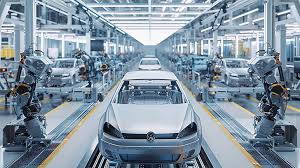
Die casting impacts the vehicle assembly line by making it more efficient. Parts produced through this process are of consistent quality, which means they fit together seamlessly during assembly, reducing the need for adjustments and repairs. This efficiency saves time and reduces costs in the manufacturing process.
In addition, die casting supports the production of complex shapes that might be difficult or expensive to make with other methods. This flexibility allows automakers to innovate in design and functionality, potentially improving vehicle performance and aesthetics.
Advancements in Die Casting Technology
Jumping into the world of die casting advancements, you’ll find some exciting developments. Automation and Industry 4.0 are revolutionizing manufacturing, while megacasting methods open new doors for producing larger parts.
Automation and Industry 4.0
Automation is transforming how die casting operates by increasing production efficiency and reducing errors. With machines taking over repetitive tasks, you can expect faster production cycles and consistent quality. This shift towards smarter manufacturing is heavily influenced by Industry 4.0, which integrates technology like IoT and data analytics.
Industry 4.0 adds a digital layer to the die casting process. You can monitor operations remotely, making adjustments in real-time. This results in less downtime and increased reliability. Data collected from connected machines helps in predictive maintenance, minimizing unexpected halts and maximizing output.
Megacasting Methods
Megacasting is a groundbreaking step in die casting that deals with producing large and complex single parts. This method is making waves in industries like automotive, where the need for large components is growing. By using megacasting, those parts that once required assembly from many smaller pieces can now be made in one go.
This technique not only saves time but also improves structural integrity. When you reduce the number of joins or welds in a part, you naturally create something stronger and more resilient. In practice, this means cars can be lighter, yet sturdier, boosting both performance and safety.
Benefits of Die Casting in Automotive Manufacturing
Die casting plays a huge role in automotive manufacturing. It helps create lightweight components and improves fuel efficiency, boosting vehicle performance and providing cost savings for manufacturers and consumers alike.
Achieving Lightweight Components
Creating lightweight components is a key advantage of die casting. When you use this method, it’s easier to produce parts that are both strong and light. This is important because lighter parts can enhance vehicle performance. Magnesium, aluminum, and other metals are often used in die casting due to their strength-to-weight ratio.
Lighter vehicles require less energy to operate. This means manufacturers can use smaller engines without sacrificing performance, which also leads to better fuel efficiency. Precision in die casting ensures that each component fits perfectly, reducing unnecessary weight.
Improving Fuel Efficiency
By using die casting, you can increase your car’s fuel efficiency. Lightweight metals like aluminum contribute to a lighter overall car weight, making engines more efficient. For you, this means fewer trips to the gas station and more money saved.
Die casting also helps make smoother surfaces, which decreases air resistance. With better airflow, cars use less energy at high speeds, which again conserves fuel. These benefits not only help the environment but also reduce costs for manufacturers and drivers, offering great value all around.
Quality and Precision in Die Casting
In automotive die casting, maintaining quality and achieving precision are crucial. By focusing on dimensional accuracy and creating durable parts, you can ensure stability and reliability in vehicles.
Ensuring Dimensional Accuracy
Achieving dimensional accuracy in die casting is key to creating precise automotive components. Precise molds and consistent casting methods ensure that each part meets the exact specifications. When you ensure dimensional accuracy, parts fit together perfectly, which is essential for vehicle stability and performance.
Advanced tools like computer-aided design (CAD) and simulations help in designing mold shapes precisely. By using these technologies, you can minimize errors during the casting process. This reduces waste and saves materials. Regular inspections and quality checks ensure that all parts maintain the desired accuracy.
Producing Durable Castings
Durability is essential for automotive parts, as they must withstand various conditions without failing. Strong and dense metal alloys are used in die casting to create durable parts. This means the parts can handle stresses, resist wear, and last longer.
Methods like cold chamber die casting enhance the strength of automotive components. When you use this method, a separate furnace melts the metal, which is then fed into the casting machine. This technique allows for the production of high-strength components. Quality control plays a vital role in this process, ensuring that only the best parts meet the rigorous standards required for use in vehicles.
Sustainability and Future Directions
In the automotive industry, the die casting process is evolving. The focus is on making production more eco-friendly and creating lighter vehicles. These changes aim to cut down on waste, conserve energy, and improve fuel efficiency.
Eco-Friendly Practices
Automotive die casting is making strides in sustainability. Efforts are underway to reduce energy consumption and waste. New machines are designed to use less power, lowering carbon footprints. Recycling is also a big part of the process, helping to cut down on raw material use.
Moreover, sustainable practices include using safer, non-toxic materials. This change aims to protect both the environment and workers. Another important step is the use of green technologies like renewable energy in factories. These efforts make die casting not only more efficient but also more eco-friendly.
Trends in Lighter Vehicles
Weight reduction is crucial in the automotive sector. Lighter vehicles improve fuel efficiency, leading to lower emissions. Die casting helps achieve this by using lightweight materials like aluminum alloys. These metals are strong yet weigh less than traditional materials.
Design innovations also play a part in reducing weight. By optimizing vehicle structures, manufacturers can remove unnecessary material without compromising safety. This makes cars more efficient and strengthens their performance. As this trend continues, you’ll notice a shift toward vehicles that are both lighter and greener.
If you want to know more about Unveiling the Datsun 240Z: An Overview of Its Specifications of a Classic Icon, please visit our Automobile category.