
Understanding Ratchet Straps
Ratchet straps, also known as tie-down straps, are tools that help secure and keep cargo stable during transport. They’re made from strong webbing and have a locking mechanism that ensures a tight hold.
Defining Ratchet Straps
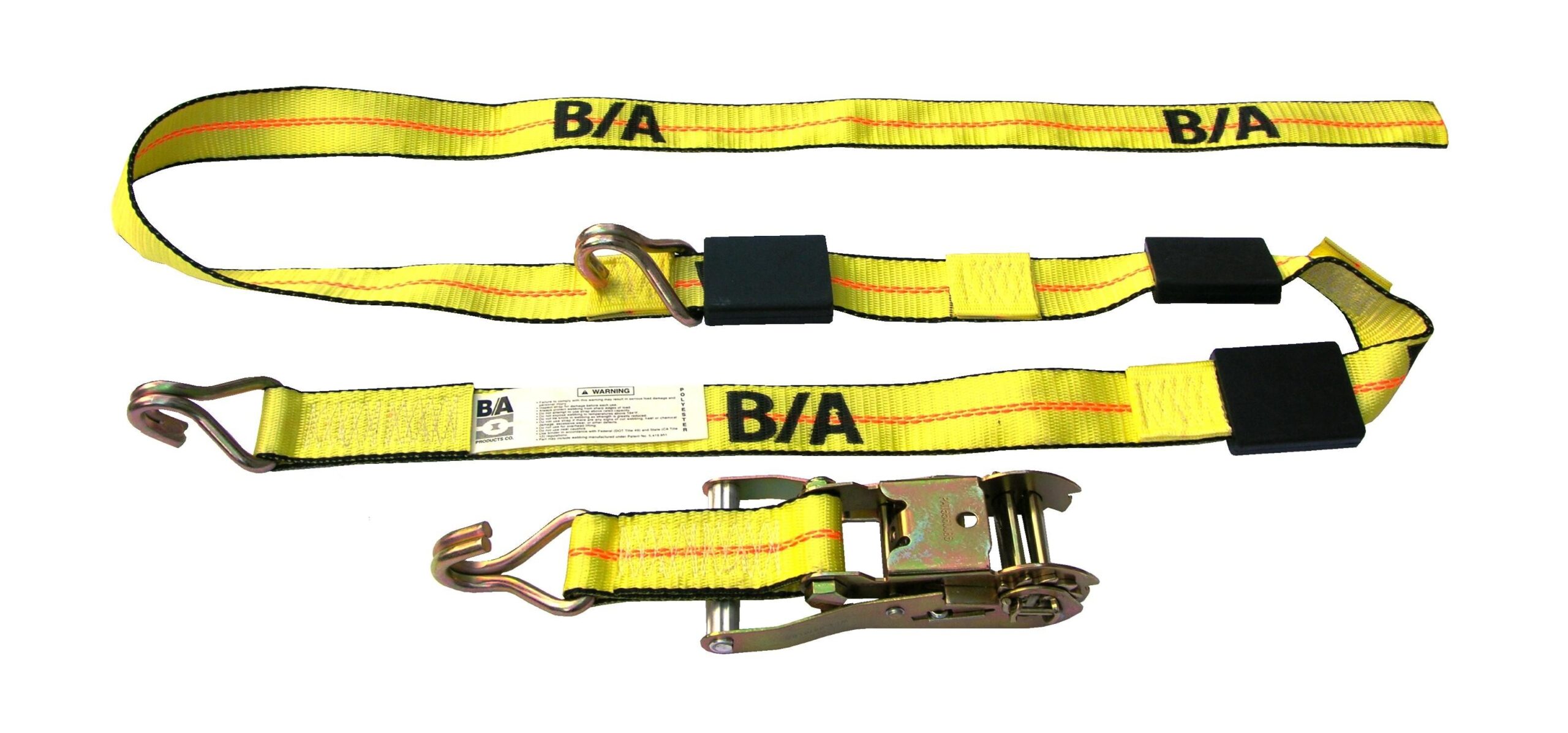
Ratchet straps are designed to tighten loads effectively and prevent items from shifting. They usually consist of two parts: a long strap and a ratcheting handle. This tool is often used in transportation to secure vehicles, equipment, and furniture. Ratchet straps are indispensable for keeping loads secure and saving time. You can count on these tools to offer a simple, yet reliable solution for holding items in place.
Components and Materials
These straps are made up of two main parts. The webbing is typically crafted from polyester since it’s strong and abrasion-resistant. The ratchet mechanism often features metal for durability. Some have additional hooks or loops to secure the ends.
- Webbing: Strong, flexible material.
- Ratchet: A handle for easy tensioning.
- Hooks/Loops: End attachments for solid anchoring.
This combination ensures you get a product that offers both resilience and strong grip.
Working Mechanism
Ratchet straps operate using a simple mechanism. First, you thread the webbing through the slotted spool of the ratchet, then pull the slack until it’s tight. Afterward, the ratchet handle is pumped to apply tension and tighten the strap further.
When you’re ready to release it, you simply press the release lever. It’s a straightforward method that allows for reliable and secure tightening of cargo. This process ensures that your load remains stable and snug, eliminating unnecessary movements that could lead to accidents or damage.
Practical Uses at Home
Ratchet straps aren’t just for trucks and trailers; they can be quite useful in keeping things organized and secured in your home. You can use them to stabilize furniture, tidy up garage spaces, and even for gardening tasks.
Securing Furniture for Stability
Ratchet straps can help hold tall or heavy furniture securely against walls. To use one, loop the strap around a bookcase, cabinet, or any wobbly piece of furniture.
Attach the other end to a secure point on the wall or another stable surface. This prevents accidental tipping, which is especially important in homes with kids or pets.
You can also use them for temporary setups, like securing a table when hosting outdoor events or crafting projects.
Organizing Garage Tools and Equipment
Keeping your garage neat is simpler with ratchet straps. They work great for bundling long, awkward items like pipes, lumber, or even extension cords.
Hang lightweight garden tools easily by tying a loop and securing them against a wall or onto hooks.
Create sections on your shelves by strapping down larger items, preventing them from toppling over. This way, everything stays in its place and is easy to access.
Gardening and Landscaping Applications
Using ratchet straps in your garden helps to anchor plants or garden structures, like trellises or stakes, especially in windy areas. Secure delicate young trees by tying them to stakes for stability.
When transporting bags of soil or mulch in a wheelbarrow, you can use straps to prevent spilling. Simply loop the strap over the top, and tighten it.
In landscaping, you might find them handy for holding large rocks or decorative pieces in place after arranging them.
Ratchet Straps in Outdoor Activities
Ratchet straps are incredibly useful for outdoor adventures. These strong straps help secure camping gear, keep kayaks in place, and make sure your bike is safely transported. They provide reliability and peace of mind during your excursions.
Camping Essentials
When you go camping, keeping your equipment secure is key. Ratchet straps can fasten tents firmly to the ground, ensuring they withstand wind and rain. Use them to hold down tarps over picnic tables or protect firewood from getting wet.
Carrying heavy camping gear? Ratchet straps are great for securing bulky items to your vehicle. They prevent shifting during travel, so your gear arrives safely. This means more time to enjoy the great outdoors and less worry about broken equipment.
Adventures in Kayaking and Canoeing
Taking to the water for some kayaking or canoeing? You’ll need to transport your boat safely. Ratchet straps make loading and securing kayaks onto car roofs simple and effective. Their strength ensures your boats stay put even on bumpy roads.
Once you reach your destination, ratchet straps come in handy again. Strap your kayak to a dock to keep it from drifting. Use them to secure paddles and other gear, too. This way, your gear is easily reached and ready when you are.
Biking: Transport and Storage
Biking adventures often start with a road trip. Use ratchet straps to fasten bikes to car racks securely. They hold bikes tight, preventing scratches or damage during transport. This lets you travel without worrying about the safety of your bike.
At home or while camping, these straps can hang your bike for storage. By keeping bikes off the ground, they stay protected from dirt and moisture. It also saves space in your garage or campsite, giving you more room to enjoy your activities.
Vehicle Uses and Transportation
Ratchet straps can be very helpful in different transportation tasks involving vehicles, whether it’s securing items on a roof rack, loading trailers, or organizing a pickup truck bed. Here, you’ll find practical tips to make the most of ratchet straps in each of these situations.
Roof Rack Cargo Management
When using a roof rack, ratchet straps are essential for keeping your luggage, bicycles, or even kayaks secure during travel. Tightness and stability are key to prevent any shifting or falling items. Two to four straps may be needed, depending on the load’s size and weight.
Choose straps with a suitable length and material for the specific cargo, such as those with weather-resistant qualities for outdoor equipment. It’s a good practice to inspect the load after a short drive to ensure everything stays in place. This way, you’ll have peace of mind knowing your items are secure, even on bumpy roads.
Trailer Loading and Towing
In trailer loading and towing, ratchet straps help secure vehicles, like motorcycles and ATVs, or larger items like furniture. Use several points of contact to balance and stabilize heavy loads. You should select straps with the appropriate working load limit and breaking strength for what you’re hauling.
Strategic placement of straps ensures that even large and heavy objects remain firmly in place. Avoid over-tightening, which can cause damage. By distributing pressure evenly, you can safeguard both the cargo and the trailer, providing safe transport across any distances.
Pickup Truck Bed Organization
Organizing a pickup truck bed with ratchet straps allows for efficient use of space and secure transport of goods. Straps can be used to fasten boxes, tools, or other cargo to ensure they remain stationary during travel.
Creating tie-down points in the truck bed can help keep the load stable. You might use D-rings or anchor points for easy strap attachment. Additionally, consider using straps to create a barrier that prevents items from sliding forward or side-to-side, ensuring everything stays put until you reach your destination. This setup maximizes space and maintains order, even in busy or bumpy conditions.
Safety Considerations
When using ratchet straps, it’s important to pay attention to how much tension you apply, how you distribute weight, and how you care for your straps. Keeping these things in mind will help ensure that your cargo stays secure while preventing accidents.
Proper Strap Tensioning
Make sure you don’t overtighten the ratchet straps. Doing so could damage your cargo or the straps themselves. To get the right tension, pull the strap until it feels snug, then give the ratchet a few more clicks. This will keep everything in place without putting too much pressure on your items.
Always check that the strap isn’t twisted. A straight strap distributes weight better and holds things more securely. If you notice any tangles or twists, fix them before you finish fastening your cargo. By doing this, you’ll avoid weak spots that could compromise safety.
Load Limitations and Weight Distribution
Check the load limit of your ratchet strap before use. Each strap has a maximum weight it can handle, often printed directly on the strap. This limit shouldn’t be exceeded, as it could lead to straps failing during transport, which is a big safety risk.
Balance your load evenly. Uneven weight distribution can cause shifting, even if the straps are strong enough. Make sure each strap shares the load evenly across your cargo. Doing this helps maintain stability and reduces the chance of tipping or falling.
Ratchet Strap Storage and Care
After use, store ratchet straps in a dry, cool place. Moisture and heat can weaken the materials over time. Hang them neatly to avoid tangling, which makes them difficult to use next time and can cause wear at the knots or bends.
Inspect your straps regularly for signs of wear and tear, like fraying or weakening the fabric. If you spot any damage, it’s better to replace the strap than to risk using a weakened one. Proper storage and regular checks will extend the lifespan of your straps and keep them safe to use.
If you want to know more about Dyson Gen5Detect: A Revolution in Cordless Vacuum Technology, visit our Tech Category.