


Introduction
The Ford Cortina MK3 is a classic British sedan known for its performance, comfort, and style blend. With a range of engine options, including 1.3L, 1.6L, and 2.0L, the MK3 catered to different driving preferences. Its improved chassis, fuel economy, and spacious dimensions made it an ideal family car.
This article delves into the powertrain, pricing, fuel economy, availability, and more aspects of the Ford Cortina MK3.
| Aspect | Details |
| Powertrain | 1.3L, 1.6L, 2.0L engines, manual and automatic options. |
| Chassis | Independent front suspension, leaf spring rear. |
| Dimensions | Length: 4,333 mm, Width: 1,692 mm, Height: 1,402 mm. |
| Fuel Economy | 1.3L/1.6L: 25-30 mpg, 2.0L: lower but efficient. |
| EPA Ratings | 1.3L: 23-26 mpg city, 1.6L/2.0L: lower. |
| Pricing | Base: £650, higher trims: up to £1,000. |
| Availability | Sold in UK, Europe, Australia, South Africa (1970-1976). |
| Colors | Golden Yellow, Diamond White, Teal Blue, and more. |
| Comparison | Better handling than Vauxhall Victor. |
| Engine Options | 1.3L for economy, 1.6L/2.0L for performance. |
The Ford Cortina Mk3: A Blend of Practicality and Style
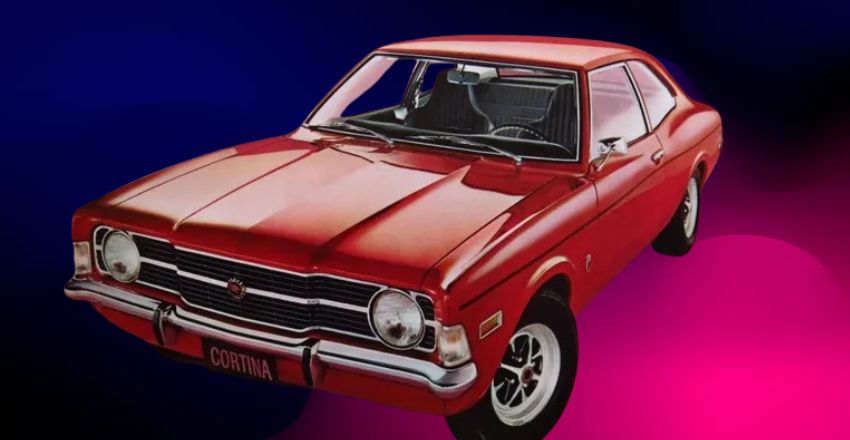
The Ford Cortina Mk3 marked a significant step forward in the evolution of one of Britain’s most iconic family cars, offering a more modern design and improved comfort compared to its predecessors. With its refreshed exterior lines, upgraded interior amenities, and a range of engine options, the Mk3 appealed to drivers seeking both everyday practicality and a touch of style. Its combination of reliability, ease of maintenance, and versatility helped the Cortina Mk3 become a popular choice for families and commuters alike, establishing its reputation as a dependable vehicle that met the needs of a broad audience during its production years.
Powertrain of the Ford Cortina MK3
The Ford Cortina MK3 was equipped with various engines that offered solid performance for its time. Buyers could choose from four-cylinder engines, including 1.3L, 1.6L, and 2.0L options. The 2.0L engine, in particular, provided a great balance between power and fuel efficiency.
Chassis and Handling
The Ford Cortina featured a new chassis design that improved handling and comfort compared to earlier models. It used a fully independent front suspension and leaf spring rear suspension, providing a smooth ride. The MK3’s suspension design improved road handling, making it a great choice for everyday driving.
Dimensions of the Ford Cortina MK3
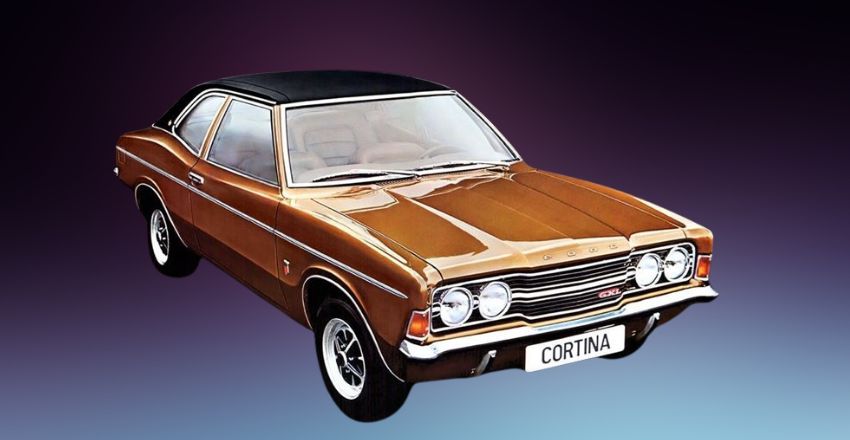
The Ford Cortina MK3 was larger than its predecessors, offering more interior space while maintaining a compact exterior. The sedan had a length of 4,333 mm, a width of 1,692 mm, and a height of 1,402 mm. This increased size provided more room for passengers and luggage,
Fuel Economy of the Ford Cortina
Fuel economy was a key consideration for the Ford Cortina, which aimed to balance performance with efficiency. The smaller 1.3L and 1.6L engines provided better fuel economy, averaging around 25-30 mpg. However, the larger 2.0L engine offered a slightly lower fuel economy but maintained reasonable efficiency for its size and power.
EPA Fuel Economy Ratings
The Ford Cortina MK3 received solid EPA fuel economy ratings for its time. The 1.3L engine achieved around 23-26 mpg in city driving, while the 1.6L and 2.0L engines returned slightly lower figures. These ratings made the MK3 an appealing choice for buyers looking for a family sedan that didn’t sacrifice too much on fuel efficiency.
Pricing of the Ford Cortina MK3
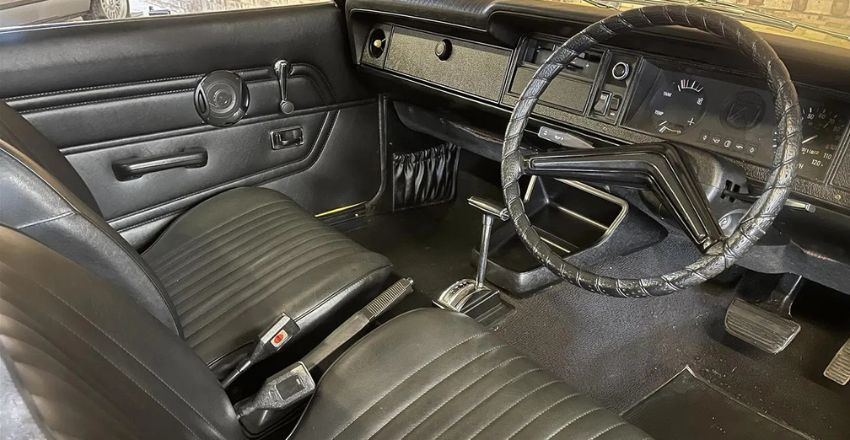
When it was first launched, the Ford Cortina had a base price that made it accessible to many buyers. The pricing varied based on the trim level and engine choice. A base model could be purchased for around £650, while higher trim levels with additional features and larger engines could cost upwards of £1,000.
Availability of the Ford Cortina
The Ford Cortina was widely available across the UK and Europe during its production run from 1970 to 1976. It was sold through Ford dealerships, making it accessible to a broad audience. The MK3 is exported to other markets, including Australia and South Africa. Its availability ensured its popularity as a choice for family cars and daily drivers.
Design
The design of the Ford Cortina MK3 was a significant departure from its predecessors, offering a more modern and refined look. Its sleek, angular lines and wider body provided a more spacious interior, enhancing comfort and practicality. The MK3’s updated styling made it appealing to a broad audience, combining functionality with aesthetic appeal for everyday use.
Colors of the Ford Cortina MK3
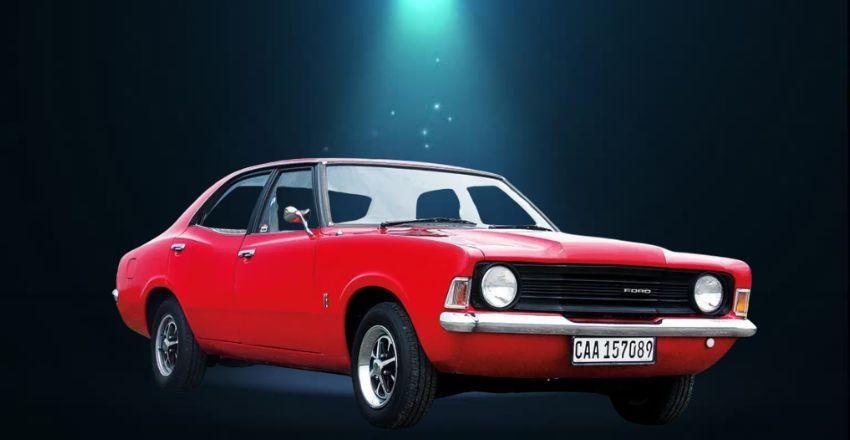
The Ford Cortina MK3 came in various colors to suit different customer preferences. Popular colors included shades like Golden Yellow, Diamond White, and Gunmetal Grey. There were also vibrant options like Teal Blue and Sherwood Green, which gave the car a distinct look.
Comparison to Other Cars of Its Era
Compared to other cars of its era, the Ford Cortina MK3 stood out for its practicality and reliability. It competed with models like the Vauxhall Victor and the Morris Marina but offered better handling and a more modern design. The MK3 also had a reputation for being durable, which helped it maintain its popularity over the years.
Engine Options of the Ford Cortina MK3
The Ford Cortina came with several engine options that catered to different driving preferences. The 1.3L engine was ideal for those seeking economy and low maintenance, while the 1.6L and 2.0L engines offered better performance for more spirited driving.
The larger engines provided a more comfortable ride for longer trips, making the MK3 a versatile option for different drivers.
Legacy and Impact
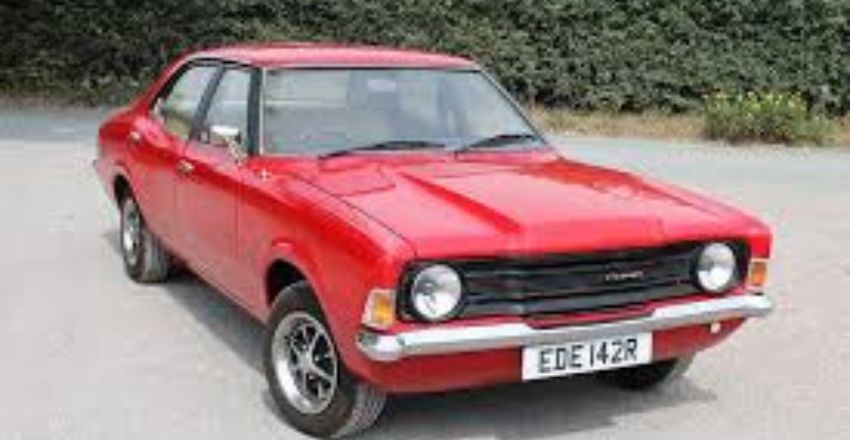
The Ford Cortina left a lasting legacy in the automotive world. It was widely regarded as a reliable and affordable family car with a design that appealed to a broad audience. The MK3’s success helped cement the Cortina’s place in Ford’s lineup, influencing future generations of compact cars. It remains a classic favorite among car enthusiasts today.
Conclusion
In conclusion, the Ford Cortina MK3 remains a standout model for its performance, style, and practicality combination. It appealed to a wide audience with a range of engine options, comfortable handling, and solid fuel economy.
The MK3’s lasting legacy in the automotive world is a testament to its success as a reliable and affordable family car, influencing future generations of compact vehicles.
If you want to read an interesting article about it, explore our “Automobile” category.
FAQs
The Ford Cortina MK3 offers 1.3L, 1.6L, and 2.0L engine options, catering to different performance preferences.
Fuel economy ranges from 25-30 mpg for the 1.3L and 1.6L engines, with the 2.0L offering slightly lower efficiency.
The Ford Cortina measures 4,333 mm in length, 1,692 mm in width, and 1,402 mm in height.
Base models of the Cortina MK3 started at £650, with higher trims costing up to £1,000.
The Mk3 was produced in the early 1970s and represented a major redesign compared to earlier Cortina models.