

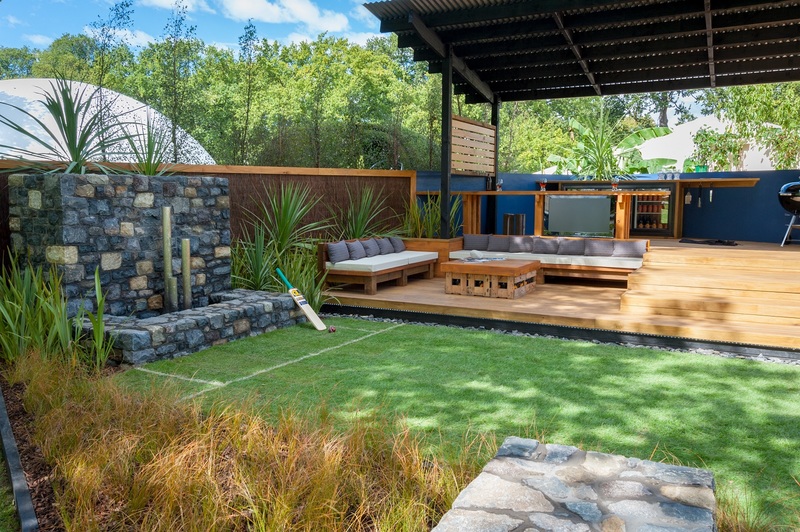
Planning Your Garden Layout
When planning your garden layout, it’s important to choose a garden style that matches your outdoor space and personal tastes. Including hardscape elements will add structure and charm, while considering maintenance needs ensures your garden remains beautiful and not burdensome.
Choosing a Garden Style
Selecting a garden style helps set the tone for your outdoor space. Think about whether you prefer a modern, minimalist look or a lush, cottage feel.
Create a mood board with images of gardens you admire. Mediterranean, Japanese, or formal English styles each have unique features. Choose a style that complements your home architecture for a cohesive look. It’s also smart to consider local climate and soil types, as they can influence plant choices.
Coordinate your garden style with existing landscaping for a harmonious design.
Incorporating Hardscaping Elements
Hardscaping adds structure and defines your garden. Common elements include pathways, patios, and walls. Use materials like stone, brick, or wood for different effects.
Pathways guide guests through your garden. Consider using gravel or stepping stones for a natural look. Patios provide space to relax and entertain, so choose durable materials like concrete or stone pavers.
Raised beds and retaining walls help manage sloped terrain. Balance natural elements with hardscaping to maintain an inviting outdoor space. Lighting can highlight these features for evening ambiance.
Considering Maintenance Needs
Think about the time and effort you can commit to maintaining your garden. Some plant choices require more care, such as trimming or frequent watering.
Opt for low-maintenance plants if you prefer a more hands-off approach. These might include drought-tolerant or native species. Automating irrigation systems can reduce the effort needed to keep plants healthy.
Plan for seasonal upkeep, like leaf removal or replanting annuals. Your garden’s maintenance should fit your lifestyle, ensuring enjoyment without stress.
Selecting Plants and Features
When setting up your garden, choosing the right plants and features is key to creating an inviting outdoor space. Consider native plants for ease of care and environmental benefits. Water features can add tranquility. Garden rooms can divide spaces for different uses.
Selecting Native Plants
Choosing native plants is a smart step for any garden. These plants are adapted to your local climate, which means they require less water and care. This helps reduce maintenance efforts. Native plants also support local wildlife, attracting birds and butterflies, which enhances the natural beauty of your garden.
Make a list of popular native plants in your area. Visit local nurseries for advice on which plants thrive locally. Group plants according to their water and sunlight needs. This planning ensures a healthy and beautiful garden.
Designing with Water Features
A water feature can transform a simple garden into a tranquil oasis. Whether you choose a pond, fountain, or waterfall, water adds movement and sound to your space. This can create a peaceful atmosphere that feels welcoming and relaxing.
Consider the size of your garden when planning a water feature. Choose a small fountain for a cozy backyard, or a larger pond if space allows. Ensure you have access to electricity and a proper water source. Think about safety if children are frequent visitors.
Creating Garden Rooms
Garden rooms divide your outdoor space into different functional areas. This design approach can turn your garden into a series of inviting spaces for relaxation, dining, or play. By defining separate areas, you can enjoy more types of activities outdoors.
Use hedges, trellises, or fencing to create boundaries between garden rooms. Furniture placement and plant selection can also help define different spaces. Consider what each room will be used for and decorate with suitable features, such as a dining table in an eating area or a bench in a reading nook.
Furnishing Your Outdoor Space
When decorating your garden, picking the right furniture is crucial. It helps create a welcoming space for relaxation and entertainment. Consider comfort and style as you choose furniture, seating, and dining essentials that suit your taste and needs.
Choosing Outdoor Furniture
Selecting outdoor furniture involves more than just looks. Durability is key, so opt for materials like teak, aluminum, or synthetic wicker that can withstand the weather. Style and Functionality are also important. For a modern garden decor, consider minimalist chairs and tables.
Think about Multi-Purpose Pieces such as storage benches or tables with built-in storage. This can help you keep the area tidy. Before purchasing, measure your space to ensure everything fits comfortably without overcrowding.
Adding Comfort With Seating Areas
Creating a cozy seating area in your garden enhances its allure. Outdoor sofas, lounge chairs, or sectionals can make a difference, ensuring friends and family can relax comfortably. Use weather-resistant cushions for color and comfort.
Consider shading options like a patio umbrella to protect against the sun. Arrange your seating around a coffee table or fire pit to encourage conversation and comfort. For smaller spaces, a hammock or swing chair can be a fun and relaxing choice.
Outdoor Dining Essentials
A garden dining area offers a wonderful spot for meals and gatherings. Start with a dining table and matching chairs. Round tables often fit well in tight spaces, while rectangular ones suit larger areas.
Use versatile materials like metal or treated wood for longevity. Add charm with string lights or lanterns. Don’t forget practical items like serving trays and outdoor-friendly dishware. Look for weatherproof rugs to add warmth and define the dining area.
Constructing Paths and Structures
Creating paths and structures in your garden not only enhances its beauty but also boosts functionality. You can add a mix of practical pathways, elevate garden beds, and introduce vertical elements for a visually appealing and organized space.
Laying Pathways and Patios
Paths are both practical and decorative, guiding visitors and defining spaces. Use materials like stone, brick, or gravel for different aesthetics and durability. A zigzagging path can be safer on slopes compared to a straight one. Make sure paths are wide enough for easy navigation and consider adding features like a latticework fence or gate to lead into your garden quietly.
Patios offer gathering spaces. Choose slip-resistant materials to ensure safety, especially in damp weather. Lay out the patio considering sunlight; a shaded area could be more comfortable during hot days. Keep it simple yet inviting with some seating and perhaps a small table for drinks or decorations.
Building Raised Beds and Trellises
Raised beds improve soil drainage and make gardening easier on the back. Use wood, stone, or metal for construction. Ensure they have adequate soil depth for plant roots. Raised beds can also create defined boundaries within the garden, separating different plant types or garden areas.
Trellises support climbing plants and add height to your garden. Use materials that blend with your garden’s style. Position them near walls or fences to give plants the chance to grow vertically. This setup maximizes space, adds visual interest, and can provide some privacy or shade where needed.
Designing with Vertical Gardens
Vertical gardens are perfect for small spaces or covering unsightly walls. Use wall planters or hanging systems to create lush, green walls. Choose plants suited to your climate and light conditions. Vertical gardens can host a range of plants, from flowers to herbs or leafy greens.
Consider irrigation systems to keep your vertical plants watered, especially in warm weather. These gardens not only add depth and color but can also act as natural insulation for your walls, helping with temperature regulation. Vertical gardening is a creative way to increase your planting area and enhance your garden’s appearance.
Accessorizing With Garden Decor
When decorating your garden, think about adding unique pieces to make it feel personal. Use art, fountains, and recycled materials to create a welcoming space. These elements add charm and character.
Integrating Art and Ornaments
Adding art and ornaments can turn a simple garden into a magical place. Consider sculptures, birdbaths, or decorative stones to add interest. These items create focal points that guide the eye through your garden. Choose pieces that reflect your style, like modern metal sculptures for a sleek look or rustic wooden pieces for a cozy feel.
Ornaments can also connect your outdoor space with your home’s design. For instance, if your home has a specific theme, like Mediterranean or Bohemian, you can use similar styles in your garden decor. This harmony in design can make your outdoor space feel like an extension of your home.
Utilizing Wall Fountains and Window Boxes
Wall fountains offer a soothing sound that can enhance the tranquility of any garden. They are great for small spaces because they don’t take up much ground space. You can find them in various designs, from classic stone to sleek modern styles, fitting different garden themes.
Window boxes provide an easy way to add color and life to plain walls. They can hold an array of plants, from vivid flowers to luscious herbs. This allows for a variety of colors and scents, enhancing the garden’s overall vibe. Remember, window boxes can be placed almost anywhere—along fences, on balconies, or even in the outdoor kitchen area for fresh ingredients at hand.
Incorporating Recycled Materials
Using recycled materials as garden decor is both eco-friendly and budget-conscious. Old tires, wooden pallets, or glass bottles can be repurposed into creative garden features. For instance, tires can become colorful planters, while pallets can form vertical gardens or outdoor furniture.
Recycled materials often bring a unique character due to their past life. They tell a story and add a personal touch to your space. Integrating these elements can encourage sustainability while providing your garden with a one-of-a-kind charm. You can make stepping stones from broken tiles or create a path with reclaimed stone for a rustic look.
Apart from that if you want to know about “How to Design a Garden from Scratch: A Step-by-Step Guide” then please visit our Home Improvement Category.