

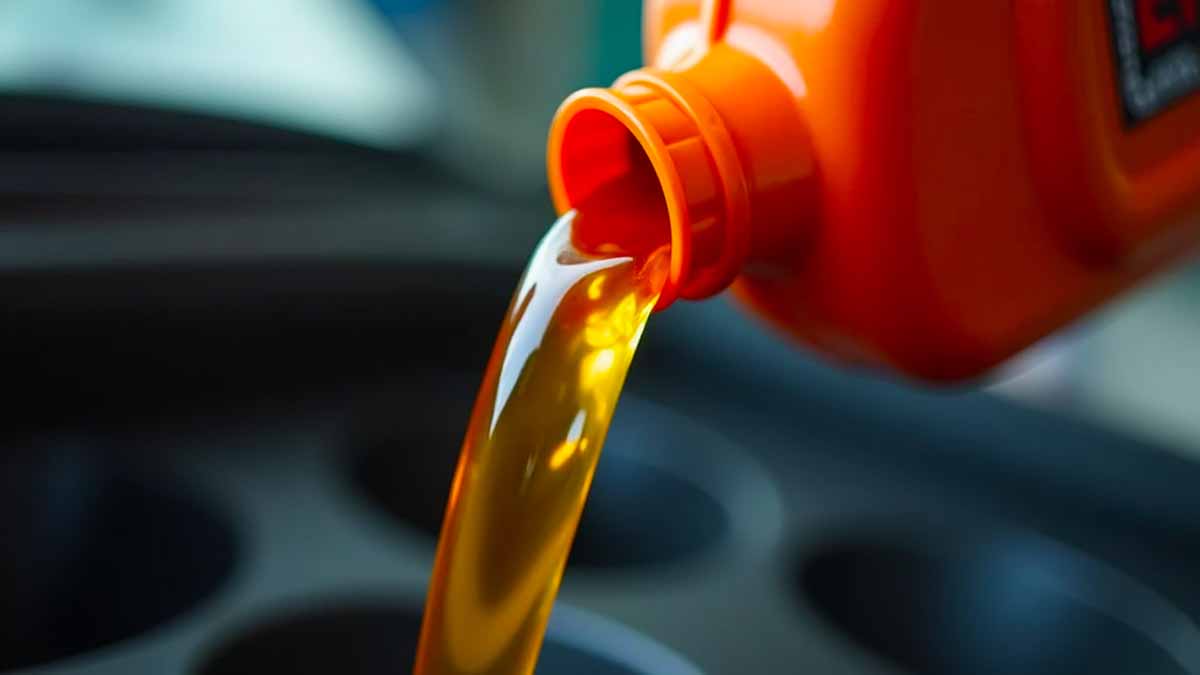
Buying cooking oil in wholesale quantities is an important decision for restaurants, food manufacturers, distributors, retail chains, catering companies, and other businesses that use or resell edible oils. The quality of oil affects the taste of food, production stability, customer satisfaction, and even the reputation of the company. A low price may look attractive at first, but if the oil is poor quality, incorrectly stored, or not properly documented, the buyer can face serious financial and operational problems.
Before purchasing wholesale oil, businesses should evaluate not only the price, but also the supplier’s reliability, product quality, documents, packaging, logistics, payment terms, and long-term cooperation conditions. A professional purchasing decision should be based on facts, not only on promises.
1. Type of Oil and Business Needs
The first step is to clearly understand what type of oil your business needs. Different industries require different oil characteristics. Restaurants and catering companies often need oil that is suitable for frying and has a stable taste. Food manufacturers may need oil with specific technical parameters, such as acidity, peroxide value, fatty acid profile, or smoke point. Retail companies may focus more on packaging, shelf life, label design, and consumer demand.
The most common wholesale edible oils include sunflower oil, rapeseed oil, soybean oil, corn oil, palm oil, and olive oil. Each type has its own advantages, price level, shelf life, and usage area. Refined oil is usually more neutral in smell and taste, making it suitable for frying, baking, and food production. Unrefined oil has a stronger natural aroma and is often used for salads, dressings, or specialty products.
Before placing an order, the buyer should define the exact specification: oil type, refined or unrefined, packaging format, quantity, delivery frequency, and intended use. This helps avoid misunderstandings with the supplier.
2. Quality of the Oil
Quality is one of the most important factors in wholesale oil purchasing. Good oil should have a normal color, clean smell, proper transparency, and stable physical characteristics. Refined oil should usually be clear and light in color, without sediment, cloudiness, or foreign particles. Unrefined oil may be darker and may contain some natural sediment, but it should still smell fresh and natural.
A bad smell is a serious warning sign. If the oil smells rancid, sour, burnt, chemical, musty, or metallic, it may be spoiled or contaminated. Rancidity usually appears when oil has been exposed to heat, oxygen, sunlight, or stored for too long.
For wholesale purchases, visual and smell checks are not enough. Businesses should request a Certificate of Analysis for each batch. This document shows laboratory test results and confirms that the oil meets the required quality parameters. Important indicators may include acidity, peroxide value, moisture, impurities, color, odor, and fatty acid composition.
For large or repeated purchases, independent laboratory testing is recommended, especially when working with a new supplier.
3. Supplier Reliability
The supplier’s reputation is just as important as the product itself. A reliable supplier should be able to provide stable quality, timely delivery, proper documents, and clear communication. Businesses should avoid suppliers who cannot explain the origin of the oil, refuse to provide certificates, frequently change terms, or offer prices that are suspiciously below the market level.
Before cooperation, it is useful to check how long the supplier has been operating, what products they specialize in, whether they work with similar businesses, and whether they can provide references or examples of previous cooperation. A professional supplier should understand the requirements of wholesale buyers and be ready to discuss specifications, delivery terms, payment conditions, and documentation.
Long-term cooperation is usually better than one-time random purchases. Stable suppliers help businesses plan costs, maintain consistent product quality, and avoid supply interruptions.
4. Documents and Certificates
Documents are essential in wholesale oil trade. They protect both the buyer and the supplier and confirm that the product is suitable for food use. Every delivery should be accompanied by proper commercial and quality documents.
The buyer should request an invoice, delivery note, batch information, Certificate of Analysis, quality certificate, and, if necessary, declaration of conformity. For international trade, additional documents may include certificate of origin, phytosanitary certificate, health certificate, customs documents, and transport documentation.
Certificates are also important. Depending on the market and customer requirements, the supplier may need ISO 22000, HACCP, FSSC 22000, BRCGS, IFS, Halal, Kosher, Organic, or Non-GMO certification. It is not enough just to receive a certificate by email. The buyer should check whether the certificate is valid, whether it belongs to the actual producer or supplier, and whether its scope covers edible oil production, processing, packaging, or distribution.
All information in the documents should match the actual goods: product name, batch number, production date, expiry date, quantity, supplier name, and manufacturer details. Any mismatch should be clarified before accepting the delivery.
5. Packaging Format
Wholesale oil can be supplied in different packaging formats: bottles, plastic canisters, metal drums, IBC containers, flexitanks, or tank trucks. The right packaging depends on the buyer’s business model.
Restaurants and small food producers often prefer 5-liter or 10-liter canisters because they are easy to store and use. Retailers usually need consumer packaging with labels, barcodes, and attractive design. Large manufacturers may prefer IBC containers, drums, or bulk delivery because it is more cost-effective for high-volume production.
Packaging must be clean, food-grade, sealed, and undamaged. It should protect the oil from sunlight, air, moisture, and contamination. If the packaging is dirty, leaking, swollen, damaged, or poorly labeled, the buyer should treat this as a risk.
Labels should clearly show the oil type, volume or weight, production date, best-before date, batch number, manufacturer, country of origin, and storage conditions.
6. Storage and Transportation Conditions
Oil quality can deteriorate quickly if storage or transportation conditions are poor. Even high-quality oil can become rancid if it is exposed to heat, direct sunlight, oxygen, or strong odors.
Before purchasing, businesses should ask how the oil is stored and transported. Warehouses should be clean, dry, ventilated, and protected from sunlight. Oil should not be stored near chemicals, fuel, fertilizers, detergents, paint, or other strong-smelling products because it can absorb odors.
Transport vehicles should be suitable for food products. For bulk oil, tankers and containers must be clean and approved for edible goods. If the oil is imported or transported over long distances, the buyer should pay special attention to sealing, temperature control, and transport documents.
7. Price and Market Conditions
Price is important, but it should not be the only factor. In wholesale oil trade, extremely low prices can be a warning sign. They may indicate old stock, poor-quality oil, mixed oil, weak documentation, incorrect storage, or unreliable supply.
A professional buyer should compare prices from several suppliers and understand the market situation. Oil prices depend on raw material costs, harvest conditions, production capacity, export demand, logistics, currency exchange rates, packaging costs, and seasonality.
The best choice is not always the cheapest supplier. It is better to choose a supplier who offers a fair market price, stable quality, complete documents, and reliable delivery. Poor-quality oil can create losses that are much higher than the initial price difference.
8. Payment and Contract Terms
Before purchasing wholesale oil, businesses should carefully review payment and contract terms. Important points include price per unit, total quantity, delivery schedule, payment deadline, advance payment requirements, currency, Incoterms for international trade, responsibility for transport, and conditions for claims or returns.
The contract should clearly define the product specification, quality standards, packaging type, delivery address, documents required, and penalties for delays or non-compliance. If the buyer needs regular deliveries, it is useful to agree on a supply schedule in advance.
For new suppliers, it may be safer to start with a smaller trial order before committing to a large contract. This allows the buyer to check the product quality, documents, communication, and delivery reliability.
9. Shelf Life and Stock Rotation
Shelf life is very important for edible oils. Businesses should check the production date and best-before date before accepting goods. It is risky to buy oil with a short remaining shelf life unless the price and usage plan justify it.
Retailers and distributors should pay special attention to stock rotation. Products with older production dates should be sold first. Warehouses should follow the FIFO principle: first in, first out. This helps reduce the risk of expired or low-quality stock.
If the oil is intended for resale, the remaining shelf life must be long enough for transport, storage, distribution, and final sale to customers.
Wholesale oil purchasing requires a careful and professional approach. Businesses should evaluate the oil type, quality, supplier reputation, documents, certificates, packaging, storage conditions, logistics, price, payment terms, and shelf life. A good supplier should provide not only competitive prices, but also transparency, stable quality, and complete documentation.
The safest purchasing strategy is to combine product inspection, document verification, supplier evaluation, and periodic laboratory testing. This approach helps businesses reduce risks, protect customers, and build a reliable long-term supply chain. In the wholesale oil market, trust is important, but proper verification is even more important.