

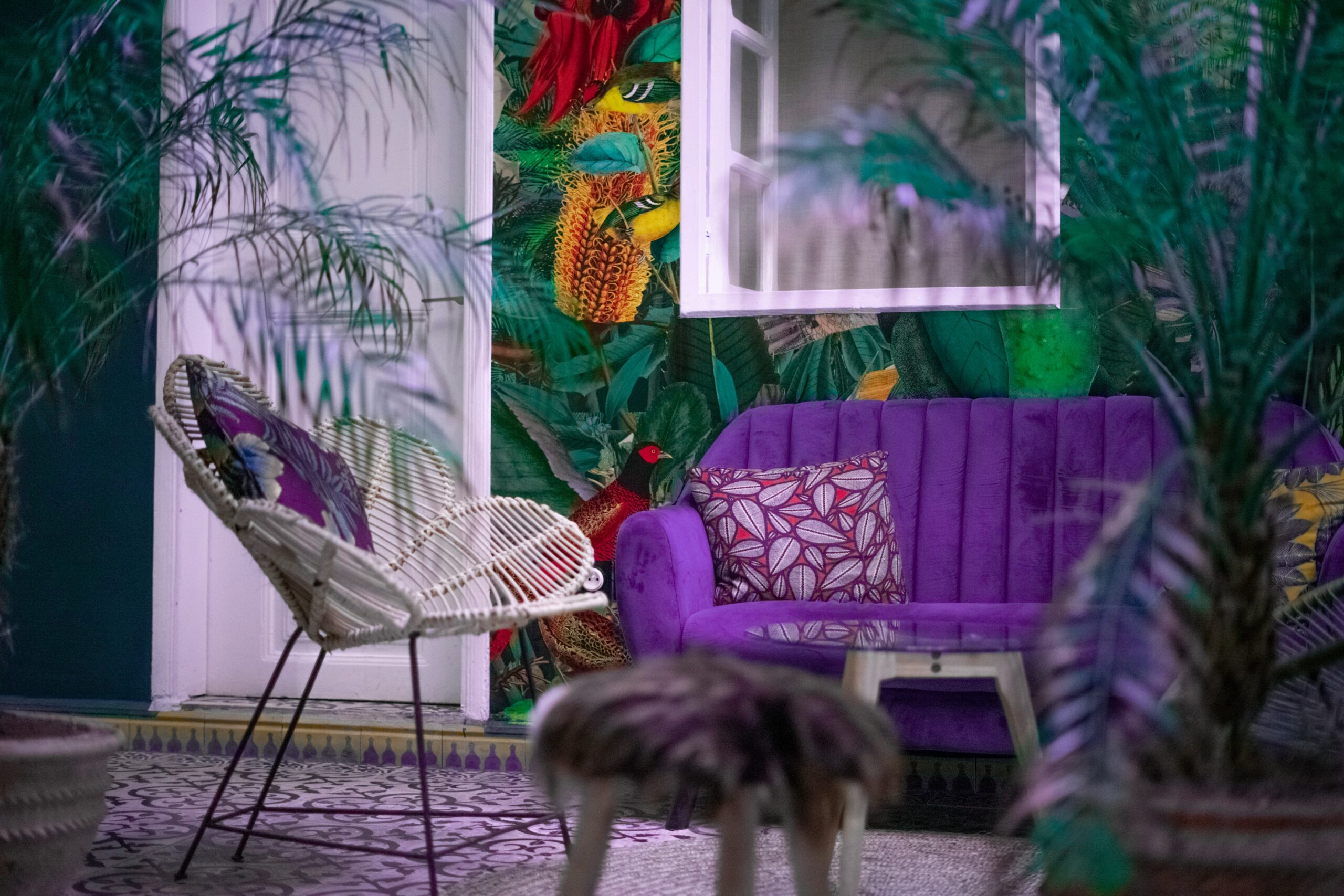
Interior design has always flirted with the unexpected, but lately, the industry has taken a sharp turn toward the delightfully unhinged. In a world where algorithm-driven aesthetics dominate social feeds, designers are pushing back with spaces that feel personal, eccentric, and just a little bit rebellious. According to recent surveys by global design platforms, more than 60 percent of homeowners now prioritize individuality over resale value when decorating. The result is a wave of daring choices that break rules and, surprisingly often, work beautifully.
Embracing Chaos as a Design Language
One of the most talked-about shifts is the rejection of strict cohesion. Designers are intentionally clashing styles, eras, and textures in a single room. Think baroque mirrors paired with industrial steel shelving or minimalist sofas sitting beneath ornate ceiling frescoes. The idea is not randomness for its own sake, but a curated chaos that reflects layered identities. This approach mirrors broader cultural trends, where personalization is increasingly valued over uniformity.
Painting Everything, Including the Unexpected
Color drenching has evolved into something even more extreme. Walls, ceilings, trim, radiators, and even furniture are being painted in the same saturated hue. Some designers go further, coating floors and decorative objects in identical shades to create an immersive environment. Data from paint manufacturers shows a 35 percent increase in demand for bold, high-pigment colors over the past two years, signaling a move away from safe neutrals.
Furniture That Feels Almost Wrong
Scale is being manipulated in ways that initially feel off-balance. Oversized chairs in compact rooms or tiny tables in grand spaces create tension that draws the eye. Designers argue that these disproportionate choices make interiors memorable. Cognitive studies in design psychology suggest that humans are naturally drawn to slight irregularities, which may explain why these spaces feel more engaging.
Mixing High and Low Without Apology
Luxury is no longer defined by consistency. Pairing a museum-worthy antique with a mass-market plastic stool is not only accepted but celebrated. This high-low mix reflects economic realities as well as a growing disdain for overly polished interiors. Industry reports indicate that nearly half of interior projects now include at least one vintage or secondhand piece, often juxtaposed with contemporary items.
The Return of Maximalist Walls
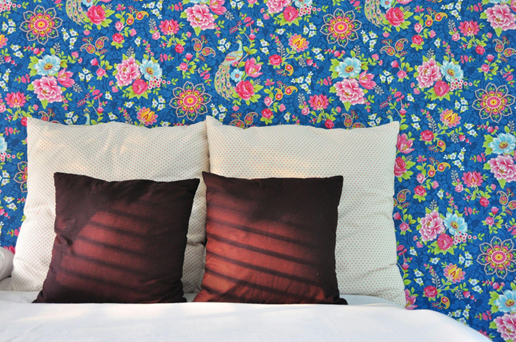
Walls are becoming canvases again, layered with art, textiles, and unconventional materials. Designers are reviving techniques like mosaic art, not as traditional accents but as full-scale statements that cover entire surfaces. This tactile richness contrasts sharply with the flat, minimal walls that dominated the previous decade.
Flooring That Demands Attention
Floors are no longer the quiet backdrop of a room. Bold patterns, unexpected materials, and even sculptural elements are being introduced underfoot. One particularly surprising trend is the rise of the mosaic rug, a hybrid concept that blends the permanence of tile with the visual illusion of soft textile. This approach challenges the idea that floors should be purely functional.
Lighting as Sculpture
Lighting has transcended its utilitarian role. Fixtures are now treated as sculptural centerpieces, often oversized or oddly shaped. Designers are experimenting with materials like resin, paper, and even recycled plastics to create pieces that double as art installations. The global decorative lighting market, valued at over $30 billion, reflects this shift toward statement-making designs.
The Rise of Intentional Clutter
Minimalism’s grip is loosening, making room for curated clutter. Shelves filled to the brim, layered textiles, and collections displayed in abundance are all part of this aesthetic. The key difference is intention. Every object, no matter how chaotic the arrangement appears, contributes to a larger narrative.
Unexpected Materials in Unexpected Places
Designers are increasingly using materials in unconventional ways. Marble on ceilings, velvet in kitchens, and concrete in bedrooms challenge traditional associations. This experimentation is driven partly by advances in material technology, which allow for greater durability and versatility.
Color Combinations That Shouldn’t Work
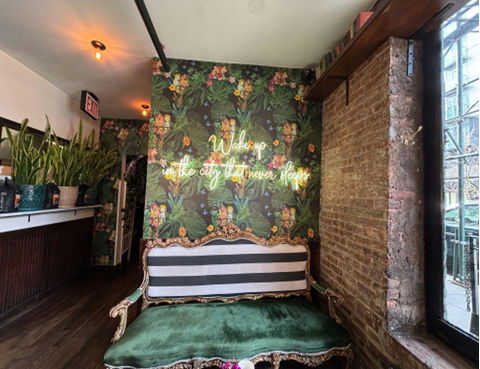
Clashing colors are being embraced with enthusiasm. Combinations once considered off-limits, like neon green with deep burgundy or pastel pink with mustard yellow, are now staples in avant-garde interiors. Color theory experts note that these pairings can create dynamic visual energy when balanced correctly.
Blurring Indoor and Outdoor Boundaries
The line between interior and exterior spaces is becoming increasingly fluid. Designers are incorporating outdoor elements like gravel, plants, and even water features into living rooms. This trend aligns with growing interest in biophilic design, which has been shown to improve well-being and productivity.
Statement Ceilings Take Center Stage
Often overlooked, ceilings are now receiving as much attention as walls and floors. Bold colors, intricate patterns, and unexpected materials are turning them into focal points. Some designers are even installing mirrored ceilings to create the illusion of expanded space.
Rewriting the Rules of Symmetry
Symmetry, once a cornerstone of traditional design, is being intentionally disrupted. Asymmetrical layouts and off-center arrangements create a sense of movement and spontaneity. This approach reflects a broader cultural shift toward embracing imperfection.
Vintage Revival with a Twist
Vintage pieces are being reimagined rather than simply restored. Designers are repainting, reupholstering, and even deconstructing antiques to give them new life. This practice not only adds character but also supports sustainability efforts in the design industry.
Art in Every Corner
Art is no longer confined to walls. Sculptures on floors, paintings leaning casually against furniture, and installations integrated into everyday objects are becoming common. This democratization of art reflects a growing desire to live with creativity rather than merely observe it.
Textures That Invite Touch
Layering textures is taking on new importance. Rough, smooth, soft, and hard surfaces are combined to create sensory-rich environments. Research in environmental psychology suggests that tactile diversity can enhance comfort and engagement within a space.
Dramatic Entryways
First impressions are being amplified through bold entryway designs. From oversized doors to unexpected color schemes, designers are treating these transitional spaces as opportunities for impact rather than afterthoughts.
Playful Nostalgia
Designers are tapping into nostalgia with a playful twist. Retro colors, patterns, and forms are being reinterpreted in modern contexts. This trend resonates with younger homeowners, particularly millennials and Gen Z, who value both innovation and emotional connection.
Functional Spaces That Surprise
Even the most practical areas of a home are getting a creative overhaul. Kitchens, bathrooms, and storage spaces are being designed with as much flair as living areas. Hidden compartments, unexpected color choices, and artistic details transform functionality into something memorable.
Designing for Emotional Impact
Ultimately, these unhinged decor tricks share a common goal: to evoke emotion. Whether it’s surprise, joy, or even a bit of confusion, designers are prioritizing how spaces feel over how they conform to traditional standards. In an era where homes are expected to do more than ever, from serving as workplaces to personal sanctuaries, this emotional resonance has become a defining feature of modern design.
Apart from that, if you want to know more about Period-Style Fireplace Designs: Bringing Timeless Elegance into Modern Homes then visit our Home Improvement category.