

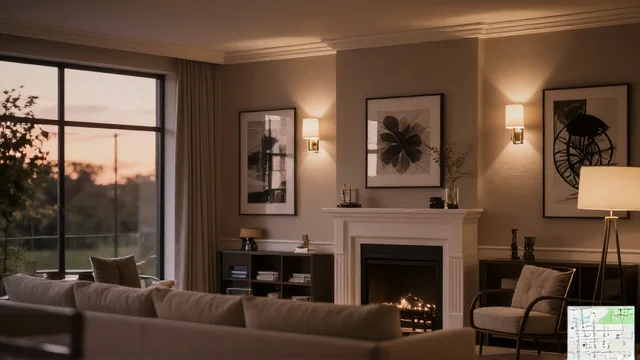
Choosing wall lights for living room spaces can change how your home feels after sunset. They add useful illumination without occupying tables or valuable floor space. They can also make a plain wall feel more considered and welcoming.
The strongest schemes don’t expect one fitting to illuminate everything. Instead, wall fittings work alongside ceiling lights, floor lamps, and table lamps. This layered approach lets you adjust the room for reading, entertaining, television, or quiet evenings.
Direct answer: Living room wall lights work best as part of a layered lighting scheme. Choose warm, dimmable fittings for ambience, directional designs for reading, and picture lights for artwork. Position fittings according to furniture and sightlines rather than following one fixed height. Use pairs where symmetry suits the room.
Living Room Wall Lighting at a Glance
| Decision | Practical starting point |
|---|---|
| Main purpose | Ambient, task, accent, or decorative lighting |
| Popular styles | Sconces, uplights, picture lights, swing-arm lights |
| Light colour | Warm white often suits relaxing spaces |
| Controls | Dimmers offer greater flexibility |
| Placement | Based on furniture, sightlines, and room proportions |
| Small rooms | Flush fittings save floor and table space |
| Reading areas | Adjustable directional fittings work well |
| Feature walls | Picture lights or decorative sconces add emphasis |
| Installation | Use competent professional help for fixed electrical work |
Why Wall Lighting Works So Well in a Living Room
A single ceiling fitting can illuminate a room, but the result often feels flat. Wall-mounted sources place light at another level and soften the contrast between bright and dark areas. IKEA similarly recommends mixing lighting for different activities and moods.
This extra layer becomes especially useful after dark. You can switch off the stronger central light while keeping enough illumination for comfortable movement. A dimmable pair near a fireplace or sofa can create a calmer evening setting.
There is a practical benefit too. Wall-mounted fixtures don’t consume the space needed by floor lamps or table lamps. That advantage matters in smaller British lounges where every surface and corner may already have a purpose. Elsewhere on the site: Wall Filler.
For more ideas about making walls part of the room’s design, Wordify’s guide to modern wall finishes explains how texture and architectural surfaces affect interiors.
9 Wall Lights for Living Room Ideas Worth Considering
1. Frame a Fireplace with Matching Sconces
A fireplace already provides a natural focal point, so paired sconces can reinforce its position. Matching fittings on either side create visual balance without competing with the fireplace. The arrangement works particularly well in traditional and transitional interiors.
Choose a finish that relates to nearby details rather than matching everything exactly. Brass can echo warm timber, while black metal can relate to frames or fireplace hardware. Fabric or opal shades can soften the emitted light.
2. Use Uplights for Gentle Ambient Light
Uplights send illumination towards the ceiling rather than directly towards your eyes. The reflected light can make a room feel softer during relaxed evenings. It can also reduce the harsh effect associated with a bright central pendant.
This approach can suit rooms with relatively low ceilings when used carefully. Ideal Home notes that upward-directed lighting can help draw the eye vertically. Keep the fixture proportionate so it doesn’t overwhelm a compact wall.
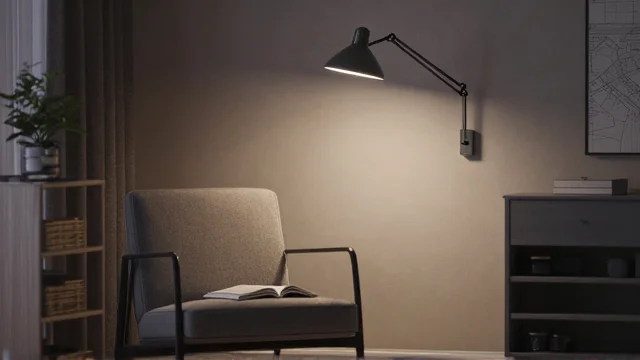
3. Add Adjustable Lights Beside a Reading Chair
A reading corner needs more focused illumination than a general seating area. An adjustable swing-arm or directional wall fitting lets you aim light towards a book. It also avoids adding another floor lamp beside the chair.
Mount the fitting where the beam reaches the reading area without shining into your eyes. Test the planned position while seated before drilling or wiring anything. Your favourite chair’s exact position matters more than a generic measurement.
4. Highlight Artwork with a Picture Light
Artwork can disappear visually once daylight fades. A picture light brings attention back to the piece while adding another lighting layer. It can work above paintings, photographs, prints, or a carefully arranged gallery wall.
Match the width and finish to the Artwork rather than treating the fitting separately. Slim brass designs can feel traditional, while simple black fittings often suit contemporary rooms. Avoid excessive brightness because the Artwork should remain the focus.
5. Place Matching Lights Around the Sofa
A pair of wall lights can visually anchor a sofa on a broad empty wall. This is useful when the furniture otherwise appears to float without a clear focal point. It also produces balanced evening illumination around the main seating area.
You don’t need perfect symmetry in every room. Offset fittings can suit informal layouts or spaces with shelving and Artwork. The important point is that their placement relates clearly to the furniture below.
6. Choose Flush Designs for a Small Living Room
Compact lounges benefit from lighting that doesn’t occupy usable floor space. Flush or shallow fittings keep circulation routes clear while providing useful illumination. They can also reduce visual clutter around narrow seating areas.
Keep the fixture scale modest if the wall is short or crowded. Large projecting shades may feel disproportionate in a small room. Simple glass, plaster, or metal forms usually integrate more quietly.
7. Make the Fitting Part of the Decoration
A wall fitting doesn’t have to disappear after sunrise. Sculptural shapes, textured glass, ceramic shades, and interesting metalwork can work as decorative objects. This gives the wall interest even while the fitting is switched off.
Treat statement lighting like any other decorative feature. Give it enough surrounding space to be noticed. If the design is visually complex, quieter Artwork and accessories can prevent competition.
8. Consider Plug-In Wall Lamps When Rewiring Is Impractical
Plug-in designs provide much of the space-saving benefit without requiring concealed wiring. They can suit renters or finished rooms where opening walls would cause unnecessary disruption. Some models also allow easier repositioning later.
Visible cable doesn’t automatically spoil the effect. A neat fabric flex can become part of the design when routed carefully. Ideal Home also suggests treating an exposed cable as an intentional feature in suitable interiors.
9. Connect Lighting to Your Smart-Home Setup
Compatible bulbs and controls can let you adjust brightness or schedules without replacing every fitting. This can make one lighting scheme useful for several activities. A brighter setting may suit visitors, while a lower level suits television viewing.
Smart controls are most useful when they simplify daily routines. Wordify’s article about the expansion of smart-home technology discusses how connected systems are becoming part of everyday British homes. Choose compatible products before installation rather than adding disconnected controls later.
How to Choose the Right Wall Lights for Living Room Spaces
Start by deciding what each fitting needs to accomplish. Ambient lighting provides a comfortable background level, while task lighting supports activities such as reading. Accent lighting highlights Artwork, shelving, fireplaces, or architectural details.
Most rooms benefit from combining these roles instead of choosing several identical fittings. Lights.co.uk recommends combining different source types within a complete living-room scheme. This approach gives you more control as the room’s use changes throughout the day.
Next, consider glare and shade material. Opal glass and fabric shades can diffuse light, while exposed bulbs create a stronger visual source. Directional metal shades are better where focused illumination is required.
Where Should Living Room Wall Lights Be Placed?
There isn’t one mounting height that works in every British living room. Ceiling height, furniture, occupant eye level, shade shape, and beam direction all affect the right position. Several current UK guides use roughly eye-level placement as a starting point rather than an absolute rule.
Plan around the furniture first. A fitting beside an armchair should serve the person sitting there, while sconces around a fireplace need visual balance. Picture lights should relate to the Artwork rather than an arbitrary room-wide line.
Temporary paper templates can help before installation. Cut shapes matching the fixture dimensions and tape them to the planned positions. View them while standing and seated to spot awkward heights or spacing.
Warm or Cool Light: Which Is Better?
Warm white light generally feels comfortable in rooms designed for relaxation. It works particularly well with timber, warm neutrals, brass, cream fabrics, and traditional furnishings. Current lighting guides commonly recommend warmer tones for evening living spaces.
Cooler light can look sharper, but it may feel clinical in a cosy lounge. The surrounding colours also affect how a bulb appears. Testing one bulb before purchasing several identical units can prevent an expensive mismatch.
Dimming adds another useful layer of control. The same fitting can provide stronger illumination earlier and softer light later. Always confirm that the bulb, fitting, and dimmer are mutually compatible.
Hardwired or Plug-In Wall Lights?
Hardwired fittings give a clean appearance because cables can remain concealed. They work particularly well during renovations when walls are already being opened or redecorated. Planning positions before plastering reduces unnecessary remedial work later.
Plug-in fittings are easier where permanent wiring isn’t desirable. They can work in rented properties, home offices, and rooms needing flexible furniture arrangements. Cable management needs attention, but thoughtful routing can keep the result tidy.
Fixed electrical work must be approached safely. Electrical Safety First explains that domestic electrical requirements differ across England, Wales, Scotland, and Northern Ireland. It recommends using a competent registered electrician for electrical installation work.
In England, Approved Document P covers electrical safety in dwellings. GOV.UK states that it includes design, installation, inspection, testing, and compliance guidance. Check the requirements applying to your UK nation and project before work starts.
How to Match Wall Lights to Your Interior Style
Traditional rooms often suit pleated shades, aged brass, bronze, or classic sconces. Contemporary rooms may favour opal globes, matt black metal, plaster, or clean geometric shapes. Neither approach requires every fitting to belong to one matching collection.
Look for repeated materials elsewhere in the room. A brass fitting can relate to cabinet handles, while black metal may connect with frames or furniture legs. Repetition creates cohesion without making the interior appear overly coordinated.
Wall colour matters too because reflected light changes across different surfaces. Deep paint can absorb more light and create a dramatic effect. Pale walls generally return more illumination into the room.
Wordify’s feature on sliding glass doors and modern homes also explores natural light and modern interior design. That relationship matters when planning lighting for rooms with large areas of glazing.
Common Wall-Lighting Mistakes to Avoid
Buying fixtures before planning furniture can create awkward results. A light may end up behind a television, too close to shelving, or poorly aligned with seating. Finalise the main furniture arrangement before choosing permanent positions.
Using every light at the same brightness can also flatten the room. Separate controls and dimmers make layered lighting more useful. Different light levels create depth and allow the room to adapt.
Don’t choose fixtures from photographs alone. Check their real dimensions, projection from the wall, bulb requirements, controls, and installation method. A small product image can hide a surprisingly deep or oversized fitting.
Frequently Asked Questions
Are wall lights a good idea for a living room?
Yes, they can provide ambient, task, accent, and decorative illumination without using floor space. They work particularly well as one layer within a broader scheme. The right design depends on how you use the room.
How many wall lights does a living room need?
There is no fixed number for every room. Size, ceiling height, natural light, furniture, and other fittings all affect the answer. Start with the areas that need illumination instead of filling every empty wall.
Where should wall lights go beside a sofa?
Place them where they visually relate to the sofa and don’t create glare for seated people. Pairs can create symmetry, while adjustable fittings can support reading. Test proposed positions from the sofa before installation.
What colour light is best for a cosy living room?
Warm white is a popular choice because it supports a relaxed evening atmosphere. The surrounding paint, fabrics, and materials affect the final appearance. Dimmable bulbs provide greater flexibility between practical and softer settings.
Can you install wall lights without rewiring?
Yes, plug-in wall lamps can avoid concealed fixed wiring in many situations. They are useful when renting or when recently decorated walls shouldn’t be disturbed. Plan cable routing carefully so the installation remains tidy.
How do I choose wall lights for living room use?
First decide whether you need ambient, reading, accent, or decorative light. Then consider scale, beam direction, glare, shade material, finish, and controls. Choose fittings that complement your other lighting rather than replacing every source.
Create a Lighting Scheme That Works After Dark
Good living-room lighting starts with how you use the space, not the fixture catalogue. Plan seating, focal points, reading areas, and evening activities before deciding where lights belong. Then combine wall-mounted sources with other lighting levels.
Aim for flexibility rather than maximum brightness. Warm bulbs, sensible positioning, and separate controls can make the room comfortable across different situations. A well-planned scheme should feel useful during the day and noticeably better after sunset.
For more home and interior inspiration, explore Wordify’s Home Improvement section. Use a competent electrician where fixed electrical work requires professional knowledge, testing, or certification.