

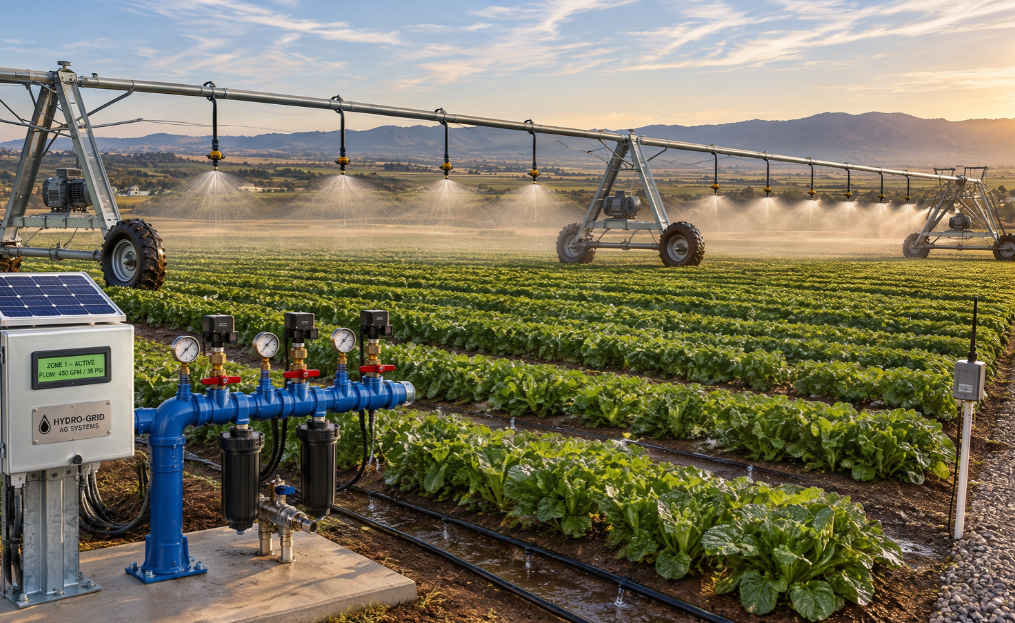
An irrigation system can make garden watering more consistent while reducing daily effort. It can also deliver water closer to plant roots, where moisture is most useful. UK gardeners can choose drip lines, micro-irrigation, sprinklers, soaker hoses, or combinations of several methods.
A garden watering setup moves water through pipes or hoses to plants, borders, containers, or lawns. Drip lines suit beds and pots, while sprinklers usually suit lawns. The right choice depends on garden size, planting, water pressure, budget, and local restrictions.
Irrigation at a Glance
| Feature | Practical UK guidance |
|---|---|
| Best for beds and borders | Drip line or micro-drip |
| Best for containers | Individual drippers or micro-tubing |
| Best for lawns | Pop-up or movable sprinklers |
| Useful automation | Tap timers or multi-zone controllers |
| Typical professional drip-zone cost | Around £250–£315 per zone |
| Typical professional sprinkler-zone cost | Around £700–£1,100 per zone |
| Key efficiency feature | Delivering water close to roots |
| Important UK consideration | Temporary Use Bans and water-company rules |
| Maintenance | Filters, emitters, batteries, leaks, and winter protection |
Professional cost figures vary with layout, soil, water pressure, access, and installation complexity. Checkatrade’s May 2026 figures put drip zones near £282.50 on average. Its average sprinkler-zone figure is about £900.
Key Takeaways
- Drip watering is a strong choice for borders, vegetables, pots, and greenhouses.
- Lawn sprinklers offer broader coverage but can consume considerably more water.
- Timers help avoid forgotten watering sessions and unnecessary daytime watering.
- Larger gardens often work better when divided into separately controlled zones.
- UK water restrictions can affect what equipment you may use during dry periods.
- A good design starts with plants and water pressure, not with gadgets.
How an Irrigation System Works
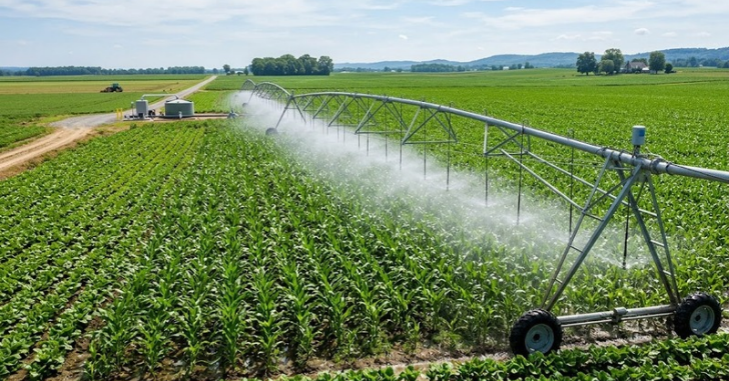
An irrigation system carries water from a source to selected areas through pipes, tubes, valves, or emitters. A simple setup may connect directly to an outdoor tap. Larger installations can use multiple zones, controllers, filters, pressure regulators, pumps, or stored rainwater.
Drip emitters release small amounts of water near individual plants. Porous hoses allow moisture to seep along their length. Sprinklers distribute water through the air across lawns or larger planted areas.
Timers provide basic automation by opening the water supply at scheduled times. More advanced controllers can manage several garden zones independently. Some products can also respond to rain sensors, weather information, or soil-moisture readings.
Main Types of Garden Irrigation
Drip Irrigation
Drip lines apply water slowly near the root zone. They work well around vegetables, shrubs, flower borders, containers, and greenhouse plants. The RHS notes that targeted drip lines can reduce surface wetting and help limit unnecessary weed growth.
Pressure-compensating drippers are useful when several plants share one line. They can improve consistency across longer runs or changing ground levels. Filters also matter because small outlets can become blocked by debris.
Micro-Irrigation
Micro systems use narrow supply pipes with small drippers or miniature spray heads. They are useful where containers and planting areas have different watering needs. A gardener can position outlets beside individual pots instead of soaking an entire patio.
This approach also works well in greenhouses and compact urban gardens. Separate outlets make the layout easy to adjust when plants move. Regular checks remain necessary because small fittings can loosen or clog.
Soaker Hoses
Soaker hoses release water gradually along their surface. They are easy to place through beds, hedges, and established borders. They can also sit beneath mulch, reducing visible equipment around planted areas.
Water distribution can become less consistent on slopes or long runs. The RHS notes that porous hoses are not pressure regulated like some drip lines. That difference matters when even watering is a priority.
Sprinklers
Sprinklers are most useful when broad surface coverage is required. Lawns and newly seeded grass are common examples. Fixed pop-up heads can disappear below ground when they are not operating.
Their disadvantage is higher exposure to evaporation, wind drift, and surface runoff. The RHS advises limiting sprinkler use because they can consume substantial amounts of water. Watering beds at soil level is usually more targeted.
Which Type Suits Your Garden?
Choosing by garden area produces better results than buying one method for everything. Beds, lawns, containers, and greenhouses have different moisture patterns. Mixed gardens often benefit from several independently controlled zones.
| Garden area | Suitable starting option | Main advantage | Main drawback |
|---|---|---|---|
| Flower borders | Drip line | Targeted watering | Emitters need checking |
| Vegetable beds | Drip or soaker hose | Keeps moisture near roots | Layout changes with crops |
| Pots and baskets | Individual drippers | Precise delivery | Small outlets may block |
| Greenhouse | Micro-drip | Easy automation | Requires seasonal adjustment |
| Lawn | Sprinklers | Wide coverage | Higher water use |
| Mixed garden | Zoned combination | Flexible scheduling | Higher setup complexity |
Small gardens rarely need complicated controllers. A tap timer and carefully placed drip tubing may handle the entire space. Larger plots can benefit from zones because lawns and established shrubs rarely need identical schedules.
Wordify’s modern garden ideas on a budget article can help when watering forms part of a wider landscaping project. Plan pipe routes before installing paths, decking, or permanent edging. That approach can reduce later disturbance.
How Much Does Garden Irrigation Cost in the UK?
A professionally installed irrigation system can range from a few hundred pounds to several thousand pounds. The final figure depends on garden area, groundworks, controller choice, water pressure, and the number of zones. Complex lawn installations usually cost more than simple drip networks.
Checkatrade’s 2026 guide lists drip zones at roughly £250 to £315. Sprinkler zones are listed around £700 to £1,100. Installation labour is shown between approximately £480 and £720 per day.
DIY kits can cost considerably less because installation labour is removed. They suit accessible borders, raised beds, greenhouses, and groups of containers. Professional design becomes more useful where underground pipework, several zones, pumps, or major pressure differences are involved.
Planning a Reliable Setup
Start by drawing a simple garden plan. Mark lawns, borders, pots, greenhouses, outdoor taps, water butts, slopes, and permanent paving. Then group areas with similar watering requirements into possible zones.
Check water flow before buying a large kit. Poor flow can leave distant outlets under-supplied when too many operate simultaneously. Dividing the network into smaller zones can solve that problem without increasing water pressure.
Think about future access as well. Filters, valves, and controllers should remain reachable after planting matures. Burying every component can turn a small maintenance job into unnecessary excavation.
Smart controls can complement other automated garden equipment. Wordify’s article on smart garden technology and automated lawn care explores how outdoor automation can reduce repetitive maintenance. Automation still needs sensible settings and occasional inspection.
Water Efficiency Matters
Efficient watering means applying enough moisture without saturating unused ground. Drip delivery helps because water reaches soil close to plants instead of being sprayed broadly. Mulching can further reduce evaporation from exposed soil.
The RHS recommends improving soil, applying mulch, and collecting rainwater where practical. It also advises using mains water thoughtfully rather than treating automation as permission to overwater.
Early-morning watering usually gives moisture time to enter the soil before warmer conditions increase evaporation. Controllers make that timing easier without requiring an early start. Adjust schedules after rainfall rather than leaving the same programme running all season.
UK Hosepipe Bans and Watering Rules
Temporary Use Bans can restrict garden watering with hosepipes during serious water shortages. The Environment Agency reported restrictions across large parts of England during the 2026 drought. Rules can differ between suppliers, locations, exemptions, and equipment types.
Do not assume a timer or drip setup automatically makes mains watering permitted. Check the current notice issued by your own water company before use. Ofwat notes that breaking applicable restrictions can lead to a fine of up to £1,000.
Stored rainwater provides another option when conditions become dry. A water butt can collect roof runoff for later garden use. The Government also recommends rainwater collection as part of household water-saving measures.
Backflow Protection and Permanent Installations
Garden water equipment also has plumbing-safety implications. Water must not flow backwards from outdoor equipment into the drinking-water supply. Permanent installations may therefore require specific backflow protection and notification.
Water Regs UK guidance says irrigation installations can be subject to notification and installation conditions. The correct protection depends on the system and its assessed fluid category. Seek professional advice when permanently connecting complex equipment to mains water.
A simple outdoor tap connection still deserves careful installation. Check existing fittings before attaching permanent pipework or automatic controls. A qualified installer can advise when the design falls beyond ordinary temporary garden equipment.
Maintenance Through the Year
Inspect visible fittings regularly during the growing season. Small leaks can waste water while reducing pressure elsewhere. Blocked emitters can also leave individual plants dry even when the controller runs correctly.
Clean filters according to their manufacturer’s instructions. Replace weak timer batteries before long holidays or hot weather. Walk each watering zone occasionally so faults are found before plants show stress.
Cold weather requires extra attention. Drain vulnerable outdoor components where freezing could damage them. Store removable timers and delicate fittings indoors when their manufacturer recommends winter removal.
Outdoor timber near regularly watered borders may also need more frequent inspection. Wordify’s exterior wood paint guide explains how UK moisture exposure affects fences, sheds, decking, and other garden timber. Keeping emitters aimed away from timber can reduce needless wetting.
Is Automated Watering Worth the Cost?
Automation becomes valuable when your garden needs frequent, repeatable watering. It is particularly useful for vegetables, greenhouses, containers, recently planted borders, and gardens left unattended during holidays. The convenience is strongest when each zone matches the plants rather than following one universal schedule.
The system still needs monitoring. A blocked dripper, broken pipe, or incorrect timer can continue unnoticed for days. Automation reduces routine work, but it does not remove the need to inspect plants and soil.
For a small collection of pots, a watering can may remain simpler. For a large planted garden, targeted automation can save considerable time. The decision should reflect plant needs, garden size, maintenance willingness, and local water rules.
Choosing the Right Setup
Start with the plants that genuinely need regular watering. Choose drip or micro equipment for targeted areas and sprinklers only where broad coverage makes sense. Add separate zones when different parts of the garden need different schedules.
Set a realistic budget that includes filters, connectors, timers, and maintenance parts. Check pressure, flow, water regulations, and any current restrictions before making the installation permanent. These checks can prevent both poor performance and expensive changes later.
A well-planned watering network should make garden care simpler without encouraging excess water use. Review it as plants mature and seasons change. The best result is consistent watering that matches the garden rather than the equipment.
Frequently Asked Questions
Is an irrigation system worth it for a UK garden?
It can be worthwhile when you have many containers, vegetables, borders, or regular summer watering needs. Automation reduces repetitive watering and can provide more consistent moisture. Small gardens with only a few plants may not need a permanent setup.
Is drip watering better than sprinklers?
Neither method is ideal for every area. Drip equipment suits beds and containers because it applies water near roots. Sprinklers make more sense for lawns or newly established grass requiring broader coverage.
Can I install garden watering equipment myself?
Many above-ground drip and micro-irrigation kits are designed for DIY installation. Start with a simple plan and test the system before fixing pipes permanently. Complex underground networks or mains connections can justify professional help.
How often should I run automatic watering?
There is no single schedule that suits every garden. Soil type, weather, plant maturity, container size, and emitter flow all affect watering time. Check soil moisture and adjust the controller instead of relying on a fixed yearly programme.
Can I use automatic watering during a hosepipe ban?
Restrictions depend on the water company’s Temporary Use Ban and any stated exemptions. Never rely on general online advice when a local restriction is active. Check your supplier’s current rules before operating equipment connected to mains water.