
Exterior wood paint protects outdoor timber while adding color and a clean, finished surface. The right product depends on the timber, its condition, and its exposure. In Britain, that means planning for rain, sunlight, temperature changes, and regular damp periods.
Direct answer: Choose a flexible exterior joinery coating for smooth doors and window frames. Use specialist garden paint on rough-sawn fences and sheds, plus a dedicated decking finish on walkable boards. Match the coating to the surface first, then follow its preparation, coat, and drying instructions.
| Project | Recommended coating | Main advantages | Watch-outs |
|---|---|---|---|
| Doors and window frames | Flexible exterior joinery coating | Durable, neat satin or gloss finish | Check suitability for smooth planed timber. |
| Fences and sheds | Specialist garden coating | Fast coverage on rough timber | Usually unsuitable for decking |
| Garden furniture | Exterior furniture coating | Color plus weather resistance | Check cleaning and recoat guidance. |
| Decking and steps | Decking stain, oil, or coating | Designed for horizontal wear | Needs a product rated for foot traffic |
| Timber cladding | Breathable exterior system | Helps manage movement and moisture | Follow the complete coating system. |
Key Takeaways guidance.
Choose by surface before color or brand. Smooth joinery needs a flexible coating, while rough-sawn timber and decking need specialist products. Water-based systems can simplify short weather windows. Preparation, primer compatibility, and stated drying times still decide how well the finish lasts.
Which Exterior Wood Paint Fits Each UK Project?
The right coating should match how the timber is cut, used, and exposed. Smooth joinery needs a coating that moves with small changes in the timber. Rough garden timber needs a product designed for a more open, textured surface.
Ronseal excludes rough-sawn fences, sheds, and decking from one current smooth-wood product. It directs those projects towards coatings designed for those specific surfaces. This shows why surface suitability should come before color or brand.
Doors and Windows Need a Flexible Joinery Finish
Painted timber doors and frames move slightly as moisture and temperature change. A flexible coating helps the finish move without cracking as quickly. Water-based exterior systems can also offer shorter recoat times during changeable British weather.
Tikkurila lists Ultra Matt as flexible, water vapor permeable, and suitable for doors and windows. It gives a two-to-four-hour recoat time under its stated conditions. Always check your chosen product sheet because drying times vary by formulation.
If you are considering replacement rather than repainting, maintenance is only one factor. Our guide to aluminum windows for modern building projects explains how they suit different upkeep priorities. That comparison can help before you spend time restoring worn timber frames.
Fences, Sheds, Furniture and Decking
Rough-sawn fences and sheds absorb coatings differently from planed doors or frames. Specialist garden products are designed for broad, textured surfaces and larger application areas. They also tend to offer colors and finishes suited to garden structures.
Garden furniture needs resistance to handling, cleaning, and moisture around joints. Check that the label specifically lists furniture before coating a table, bench, or chair. These modern garden ideas on a budget can also help you coordinate timber features with a wider outdoor refresh.
Decking deserves separate treatment because people walk on it and water can sit on horizontal boards. A general trim coating may wear unevenly under regular traffic. Choose a decking stain, oil, or coating that explicitly lists decks and steps.
Water-Based or Solvent-Based?
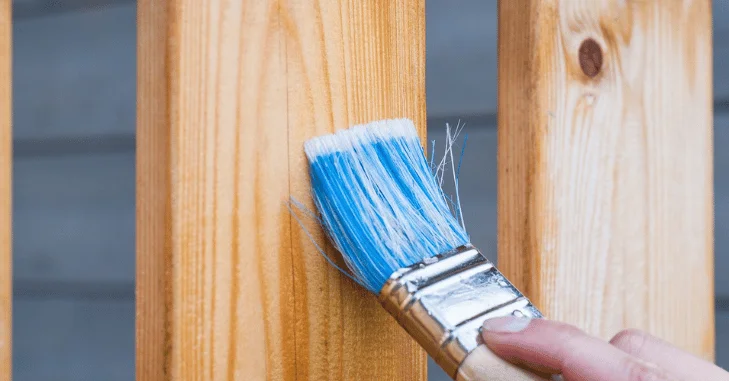
Water-based coatings suit many exterior timber projects because they can dry quickly and remain flexible. They also tend to produce less odor during application than traditional solvent-heavy systems. Faster recoat times can help when the weather window is short.
Solvent-based gloss and eggshell finishes remain useful for traditional joinery and certain preferred finishes. They often need longer drying periods and specific cleaning products for brushes. Check ventilation, drying, and disposal instructions on the exact product before starting.
Neither system wins every job. Choose the formulation that fits the surface, finish, weather window, and maintenance expectations. Correct product compatibility matters more than choosing water or solvent on principle.
Paint, Stain or Oil?
Opaque paint suits projects where you want a strong color change and consistent coverage. Stain usually keeps more of the grain visible while adding color and protection. Oil is often chosen for decking or furniture where a more natural appearance is preferred.
Wickes separates exterior timber treatments into paint, stain, varnish, and oil because they behave differently. Its guidance describes paint as pigmented protection, while stain preserves more visible wood character. Decide how much grain you want visible before comparing colors.
Do You Need Exterior Wood Primer?
Bare timber often benefits from primer because it can improve adhesion and create an even base. Repaired patches or difficult timber may also need a matching preparatory coat. Some modern products are self-priming, so the label should decide the system.
Ronseal says its 10-year weatherproof product needs no separate primer on approved smooth exterior surfaces. The same product requires two coats on painted timber and three on bare wood. That is a product-specific system, not a rule for every coating.
How to Prepare and Apply the Finish
Good preparation gives the new coating a clean, stable surface to grip. It also exposes rot, failed filler, or loose paint before fresh color hides those defects. Plan enough time for preparation rather than focusing only on application.
- Inspect the timber for rot, loose joints, cracks, and failed coatings.
- Clean away dirt, algae, grease, and chalky residue.
- Remove loose paint and sand smooth edges.
- Repair defects and let fillers or bare timber dry fully.
- Prime only where the selected coating system requires it.
- Apply the stated number of thin, even coats with the grain.
- Respect the full recoat time before adding another layer.
Do not rush just because the surface feels dry to a fingertip. Recoat time describes when another layer can be applied safely. Rain resistance, full cure, and return to service can have different timings.
Plan Around UK Weather
Choose a dry spell long enough for cleaning, preparation, coating, and stated recoat periods. Avoid coating damp timber or starting before expected rain. Follow the temperature and humidity limits printed for your product.
Ronseal says one current smooth-timber coating becomes rainproof one hour after the final coat. Treat that timing as product-specific rather than a general rule. Another formulation may need a much longer protected drying period.
For larger structures, include painted surfaces in a simple inspection routine. A guide to keeping a portable building in top shape recommends checking exterior finishes and dealing with wear early. The same habit works for sheds, cabins, and timber outbuildings.
Take Extra Care With Old Paint
Older British properties can contain historic lead-based coatings beneath newer layers. HSE says lead pigments may remain under paintwork in buildings decorated before the early 1980s. Dry sanding or heating those layers can create harmful dust or fumes.
HSE advises leaving sound old paint in place where practical and using wet abrasive methods to create a key. Poor coatings may need controlled removal with safer methods and suitable dust controls. Get specialist advice if the suspected lead requires substantial stripping.
How Long Should an Exterior Finish Last?
There is no single lifespan for every exterior timber coating. Exposure, preparation, timber movement, coat thickness, and maintenance all affect service life. Manufacturer guarantees also depend on using the product within its stated system.
Ronseal advertises ten years for one smooth-timber product under its stated conditions. Zinsser advertises protection of up to fifteen years for properly prepared surfaces with AllCoat Exterior. Treat those figures as product claims, not universal repainting intervals.
Inspect for cracks, flaking, exposed end grain, fading, or moisture getting behind the finish. Repairing a small weak area is usually simpler than restoring widespread failure. Condition is a better maintenance trigger than choosing one fixed calendar interval.
The Verdict: Choose by Surface Before Brand
For most UK homes, start with the surface rather than the logo on the tin. Use flexible joinery coatings for smooth doors and windows, plus specialist garden products for rough timber. Use dedicated decking products anywhere people regularly walk.
Water-based systems suit many DIY jobs because of practical drying times and flexible finishes. Solvent-based coatings still suit projects needing their traditional appearance or application qualities. Neither option can compensate for damp timber, poor preparation, or an unsuitable product.
Before buying, read the technical sheet and calculate enough material for every required coat. Check the forecast before opening the tin. That sequence reduces avoidable problems and makes later maintenance easier.
Frequently Asked Questions
What is the best exterior wood paint for UK weather?
There is no single product that suits every exterior timber surface. Smooth doors and windows need a joinery coating, while fences and sheds need garden-specific products. Decking should use a finish approved for horizontal wear and foot traffic.
Can I paint over old exterior paint?
Yes, if the old coating is sound, clean, compatible, and firmly attached. Remove flaking areas, smooth the edges, and repair damaged timber before recoating. Check the new product’s technical guidance when compatibility is uncertain.
Should I use primer on bare outdoor timber?
Use primer when the selected coating system requires it. Some exterior products can go directly onto correctly prepared bare timber. Others need a matching primer or undercoat for reliable adhesion.
How many coats does outdoor timber need?
The correct number depends on the product and whether the surface is bare or previously coated. Two coats are common, while some bare surfaces need three. Follow the manufacturer’s stated coat count instead of adding layers without a reason.
Your Next Step
Identify the exact surface before shopping by color. Photograph its condition, note whether it is smooth or rough-sawn, and check for failing layers. Then compare only products approved for that surface and your preferred finish.
If the timber is sound, prepare it carefully and follow one complete coating system. Solve rot, major movement, or suspected lead before decorating. Good exterior work starts with the substrate rather than the final topcoat.