

What Is an Immersion Heater?
What Is an Immersion Heater? An immersion heater is an electric water-heating device designed to warm water directly inside a hot water tank or cylinder. It consists of a heating element that is submerged, or “immersed,” within the water, providing an efficient and targeted method of water heating. Immersion heaters operate using electricity and are widely used in both residential and industrial applications. These heaters are versatile because they can function independently of other heating systems like gas boilers or heat pumps. Whether it serves as a primary heating method or a backup, these heaters ensure consistent access to hot water.
| Definition | An electric device used to heat water by submerging a heating element in a tank. |
| Primary Function | To provide hot water for domestic or industrial use. |
| Power Source | Electricity |
| Materials Used | Stainless steel, copper, or titanium (for the heating element). |
| Common Applications | Domestic water heating, backup for boilers, industrial processes. |
| Thermostat | A device to control and maintain the water temperature at desired levels. |
| Installation Location | Inside a water tank or cylinder. |
| Backup Functionality | Provides hot water when the primary system (e.g., boiler) fails. |
| Key Features | Thermostat control, energy efficiency, timer compatibility, smart controls. |
| Energy Efficiency Tips | Use timers, operate during off-peak hours, and insulate the water tank. |
| Advantages | Reliable hot water supply, low maintenance, compact design. |
| Disadvantages | Higher electricity costs if used excessively; scaling in hard water areas. |
| Smart Enhancements | Remote operation, real-time monitoring, and integration with smart systems. |
| Environmental Benefit | Compatible with renewable energy systems, reducing carbon footprint. |
| Maintenance Needs | Regular descaling, thermostat checks, and occasional replacement of elements. |
How Immersion Heaters Deliver Efficient Hot Water
An immersion heater is essentially an electric heating element designed to be submerged directly into a liquid — most often water — inside a storage cylinder or tank, where it converts electrical energy into thermal energy to raise the liquid’s temperature. This direct contact method of heating works in a way similar to an oversized electric kettle, with the heating element warming the surrounding water until it reaches the desired level set by a thermostat. Because the element is immersed in the liquid, heat is transferred quickly and efficiently throughout the contents of the tank, which can provide a reliable source of hot water even in systems that are separate from a central boiler or gas supply. This simplicity in design and operation makes immersion heaters a widely used solution in many homes and applications where dependable hot water is needed.
Features of an Immersion Heater
- Heating Element: The core component responsible for heating water is typically made from durable, corrosion-resistant materials such as copper, stainless steel, or titanium.
- Thermostat: Allows users to control water temperature, typically around 60°C (140°F), to avoid overheating and ensure energy efficiency.
- Electric Power Source: Operates on electricity, making it accessible for homes without gas lines or central heating systems.
- Standalone Capability: Functions independently of central heating, making it valuable as a backup or additional heating source.
How Does an Immersion Heater Work?
The operation of this kind of heater is straightforward. Once installed inside a water tank, the electric heating element is submerged. When switched on, electricity flows through the heating element, creating resistance that generates heat. The heat is then transferred directly to the surrounding water, warming it to the desired temperature.
Role of the Thermostat
A thermostat plays a crucial role in managing the immersion heater’s performance. It monitors the water temperature and automatically shuts off the heater once the preset level is reached. This not only prevents the risk of scalding but also minimizes unnecessary electricity use. Thermostats are adjustable, so users can select their preferred temperature. Water should be heated to at least 60°C (140°F) for safety and hygiene to prevent bacterial growth, such as Legionella.
Compatibility with Timers and Smart Systems
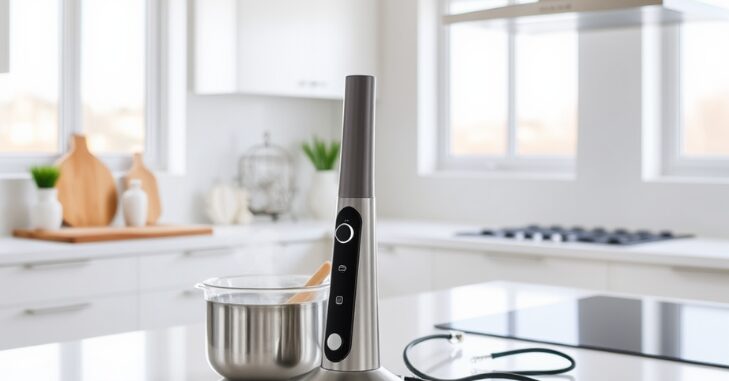
Often paired with timers or integrated into smart home systems, immersion heaters allow users to schedule heating cycles. This enables water to be heated only when needed, saving energy and lowering electricity costs.
Why Is an Immersion Heater a Must-Have for Modern Homes?
Immersion heaters have long been a reliable choice for hot water systems, and their relevance has only increased with technological advancements. From their versatility to cost-saving benefits, here’s why immersion heaters are essential for modern homes:
1. Reliable Backup for Hot Water Supply
In modern homes, these heaters serve as a dependable backup system. In properties where central heating or boilers are the primary heat source, they provide hot water during breakdowns, maintenance periods, or emergencies. Even in homes with renewable heating systems like solar panels, they act as a secondary option when external conditions—such as cloudy weather—limit energy production.
2. Versatility for Different Home Setups

These heaters work efficiently in various setups, whether they’re used as the primary source of hot water or as an additional system. They’re especially beneficial for:
- Off-Grid Homes: Properties without access to gas mains can rely on immersion heaters powered entirely by electricity.
- Second Homes and Holiday Properties: For homes that are not occupied year-round, immersion heaters can be switched on when needed, avoiding the energy waste associated with running a full central heating system.
- Smaller Homes: Compact households often don’t require complex setups, making immersion heaters a cost-effective option for reliable water heating.
3. Energy Efficiency When Used Strategically
While immersion heaters are often criticized for consuming electricity, they can be highly energy-efficient when used strategically. Modern units have timers, thermostats, and smart controls that significantly reduce operational costs. Some key strategies include:
- Heating Water During Off-Peak Hours: By using a timer to heat water during off-peak electricity tariff periods (e.g., at night), homeowners can benefit from lower rates.
- Retaining Heat with Insulated Tanks: Pairing the immersion heater with a well-insulated hot water tank minimizes heat loss, reducing the need for frequent reheating.
4. Ease of Installation and Maintenance
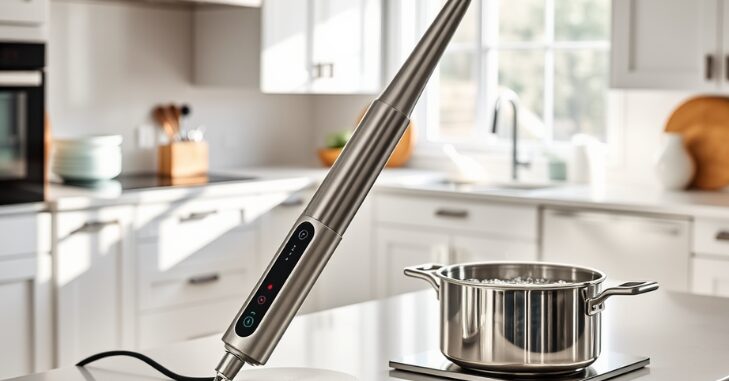
Compared to other water heating systems, these heaters are relatively easier to install and maintain. Here’s why:
- Straightforward Installation: An immersion heater requires minimal setup and can be retrofitted into existing hot water tanks.
- Few Moving Parts: With fewer components than complex systems like boilers, maintenance needs are simplified.
- Low-Cost Repairs: Replacing or repairing the heating element is quick and cost-effective, especially if regular maintenance is performed to prevent issues like limescale buildup.
5. Smart Features for Modern Living
Immersion heaters have embraced technological advancements to align with the demands of modern homeowners. Smart immersion heaters now offer:
- Remote Operation: Control the heater using a smartphone app or voice-assisted devices like Alexa and Google Assistant.
- Real-Time Monitoring: Track energy usage and operational status, helping identify inefficiencies and optimize performance.
- Custom Schedules: Create tailored heating schedules based on daily water usage patterns, ensuring energy is only consumed when necessary.
Environmental and Economic Benefits
In an era where energy efficiency and sustainability are top priorities, immersion heaters contribute in several ways:
1. Supports Renewable Energy Integration
Immersion heaters are compatible with solar and wind energy systems, making them an eco-friendly choice for modern homes. Excess energy generated during the day can be stored as hot water for later use, reducing reliance on fossil fuels and lowering greenhouse gas emissions.
2. Minimized Carbon Footprint
By optimizing energy usage with timers and smart systems, household electricity consumption is reduced. This, in turn, leads to a smaller carbon footprint, particularly if renewable electricity sources power the heater.
3. Cost Savings Over Time
Although immersion heaters have higher upfront costs than gas-based systems, their durability and compatibility with energy-saving measures can lead to long-term savings. Homes utilizing off-peak tariffs or renewable energy sources can significantly reduce their monthly utility bills.
An immersion heater remains one of the most practical and dependable solutions for households seeking consistent hot water without relying entirely on central heating systems. Its simple design, efficient heat transfer, and compatibility with modern smart technology make it a valuable addition to both traditional and energy-efficient homes.
As more homeowners adopt renewable energy systems and seek greater control over their utility costs, immersion heaters continue to prove their worth by offering flexibility, convenience, and long-term reliability in everyday living.
Conclusion
Immersion heaters have evolved into a highly reliable and versatile solution for modern homes. Whether as a primary water heating system or a dependable backup, they offer incredible flexibility, energy efficiency, and compatibility with renewable energy sources. With advancements in smart technology and sustainable design, immersion heaters seamlessly meet the needs of today’s homeowners, ensuring consistent hot water while promoting eco-friendly living. Their durability, ease of use, and long-term cost benefits make them a must-have for any household looking for convenience and peace of mind.
Apart from this, if you are interested to read an amazing article on “Simple Tips to Optimize Your Media Wall with Shelves for Storage and Design“, then visit and explore our “Home Improvement” category.
Frequently Asked Questions (FAQs)
An immersion heater is a device to heat liquids directly in a container. It is commonly used in water heaters, industrial processes, and home brewing. The heater is a metal heating element immersed in the liquid, converting electrical energy into heat.
The electricity usage of an immersion heater depends on its power rating and the duration of use. Typically, immersion heaters range from 1kW to 3kW in power. A 3kW heater running for one hour would use 3 kWh of electricity.
The primary disadvantage of an immersion heater is its higher energy consumption compared to other heating methods. Running it for prolonged periods can lead to increased electricity bills.
Running costs depend on electricity prices and usage patterns. Immersion heaters can be more expensive than gas systems if used continuously, but occasional or off-peak use can help manage costs.
It works by converting electrical energy into heat through a metal heating element that is submerged in water, warming the surrounding liquid until the desired temperature is reached.