


Introduction
Renovating your kitchen is one of the most rewarding home improvement projects you can undertake. A well-planned kitchen renovation enhances your home’s aesthetic appeal and increases its functionality and value. With the right planning, budgeting, and design, you can create a kitchen that suits your lifestyle and adds significant value to your home.
This article will guide you through the essential steps of kitchen renovation, including budgeting, layout design, material selection, and more. By combining expert advice from top sources, we provide a thorough overview of how to tackle your kitchen renovation efficiently and effectively.
Here is a table summarizing key aspects of a Kitchen Renovation:
| Aspect | Description | Tips |
| Budgeting | Determine how much you can spend on the renovation. | Allocate 10-20% of the budget for unexpected costs. |
| Layout Planning | Choose the best layout (U-shaped, L-shaped, galley, or island) to maximize space and efficiency. | Ensure the kitchen work triangle (sink, stove, fridge) is optimally placed for ease of movement. |
| Materials | Select durable materials for countertops, cabinets, flooring, and backsplashes. | For durability, long-lasting materials like quartz countertops and solid wood cabinets should be considered. |
| Storage Solutions | Maximize storage space through smart cabinet designs and organizers. | Use pull-out cabinets, vertical storage, and pantry solutions to organize the kitchen. |
| Lighting | Use task, ambient, and accent lighting to brighten up the space. | Install under-cabinet task lighting for prep areas and use dimmer switches to adjust lighting levels. |
| Appliances | Upgrade to energy-efficient appliances for improved functionality and lower utility bills. | Look for Energy Star-rated appliances and consider integrating smart technologies for convenience. |
| Modern Design Trends | Incorporate stylish elements like open shelving, bold colors, and sleek hardware. | Use natural materials and textures to add warmth and a contemporary look. |
| Sustainability | Choose eco-friendly materials and energy-efficient products. | Use recycled or sustainable materials and opt for LED lighting to minimize environmental impact. |
| Hiring Professionals | Decide whether to tackle the renovation or hire professionals for more complex tasks. | Contractors ensure quality and efficiency, especially for electrical, plumbing, or structural work. |
| Final Tips | Focus on functionality, be flexible with changes, and enjoy the process. | Prioritize practicality and keep communication open with contractors for a smooth renovation experience. |
Why Renovate Your Kitchen?
The kitchen is often considered the heart of the home, a space where family and friends gather to cook, eat, and socialize. Renovating your kitchen can:
- Increase home value: According to Remodeling Magazine, a well-executed kitchen renovation can offer a return on investment (ROI) of up to 70-80%.
- Improve functionality: If your kitchen layout isn’t working for you, a renovation allows you to optimize the space.
- Enhance energy efficiency: New appliances, lighting, and insulation can significantly reduce energy consumption.
- Modernize the look: Transforming outdated cabinets, countertops, and finishes can dramatically update the look and feel of your home.
Planning and Budgeting: The Foundation of a Successful Kitchen Renovation
Before starting a kitchen renovation, taking time to plan your space and set a realistic budget can save you time, stress, and money throughout the project. Effective planning begins with identifying your priorities — whether that’s expanding countertop space, updating appliances, or improving storage — and then aligning those goals with your overall budget. Many homeowners find that breaking the renovation into phases helps manage costs while still achieving major improvements. In addition, allocating part of your budget for unexpected challenges, such as hidden electrical or plumbing work, ensures you won’t be derailed by surprises once construction begins. Thoughtful budgeting paired with clear renovation goals lays a strong foundation for a kitchen layout that’s beautiful, functional, and long-lasting.
Setting a Budget for Your Kitchen Renovation
Before starting any renovation project, it’s essential to establish a realistic budget. HomeAdvisor says the average kitchen renovation cost ranges from £10,000 to £30,000, depending on the size, scope, and materials used. Here are some steps to help you budget:
- Determine your must-haves: List essential features (e.g., new countertops, upgraded appliances) and allocate a portion of your budget accordingly.
- Plan for unexpected costs: Always set aside 10-20% of your budget for unexpected expenses that may arise during the renovation process.
- Choose where to splurge and where to save: Invest in long-lasting features like cabinetry and appliances, and save on items like lighting fixtures or backsplash tiles.
Planning the Perfect Kitchen Layout
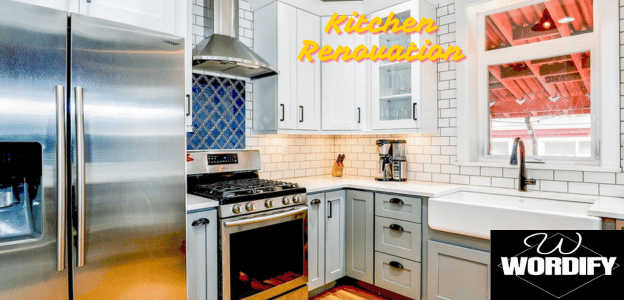
The layout of your kitchen is critical to its functionality. The most efficient kitchen layouts follow the kitchen work triangle concept, which positions the stove, refrigerator, and sink in a triangular formation for easy movement between them. Common kitchen layouts include:
- U-shaped kitchen: This layout provides plenty of counter space and storage for larger kitchens.
- L-shaped kitchen: This layout works well in smaller or medium-sized spaces and is suitable for open-plan designs.
- Galley kitchen: Great for narrow spaces, a galley kitchen maximizes efficiency by placing appliances and countertops along two parallel walls.
- Island kitchen: Adding an island offers extra prep space, seating, and storage and can be a focal point in larger kitchens.
Choosing High-Quality Materials
Selecting the right materials is crucial to the durability and appearance of your kitchen. When renovating, prioritize materials that look great and withstand daily wear and tear.
- Countertops: Popular choices include granite, quartz, and marble for their durability and aesthetic appeal. Quartz is especially low-maintenance and scratch-resistant.
- Cabinets: Solid wood cabinets are durable and timeless, while medium-density fiberboard (MDF) offers an affordable alternative with various finishes.
- Flooring: Hardwood, tile, and luxury vinyl are durable and easy to clean. Choose flooring that complements the overall design of your kitchen while being slip-resistant and water-resistant.
- Backsplash: Tiles or glass backsplashes are functional and stylish. Subway tiles remain classic, but intricate mosaic patterns are gaining popularity for a bold look.
Maximizing Storage Space
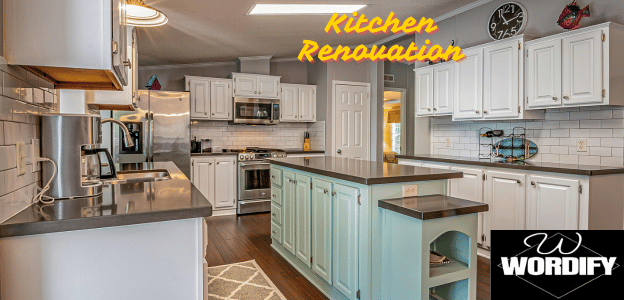
A well-designed kitchen should offer ample storage space to keep your countertops clutter-free. Here are some ideas:
- Install pull-out cabinets: These allow you to access items stored at the back of cabinets without hassle.
- Utilize vertical space: Install tall cabinets that reach the ceiling to store seldom-used items.
- Incorporate a pantry: If you have the space, a walk-in or pull-out pantry can significantly increase storage.
- Add drawer organizers: Keep your drawers neat and functional with dividers for utensils, spices, and pots.
Ventilation and Indoor Air Quality
Proper ventilation is an often-overlooked element of a successful kitchen renovation, yet it plays a crucial role in maintaining a comfortable and healthy environment. Cooking produces heat, moisture, smoke, and airborne particles that can affect indoor air quality if not properly managed. Installing a high-quality range hood or ventilation system helps remove odors, grease, and excess humidity, protecting cabinets, walls, and appliances from long-term damage.
Good airflow also reduces the risk of mold growth and improves overall comfort while cooking. By incorporating effective ventilation into your renovation plans, you can create a cleaner, fresher, and more enjoyable kitchen space for everyday use.
Lighting: An Essential Component
Ambiance and practicality both benefit from good lighting. The key types of kitchen lighting include:
- Task lighting: Installed under cabinets to illuminate countertops where food preparation occurs.
- Ambient lighting: Provides general illumination, which can be achieved with recessed lighting or pendant lights.
- Accent lighting: Highlights design features such as a kitchen island or backsplash, adding visual interest.
Consider installing dimmer switches to adjust the lighting based on the time of day and activity.
Updating Appliances
Upgrading your kitchen appliances can enhance your kitchen’s look and efficiency. Because they use less energy, modern appliances save you money on your utility costs. When selecting appliances:
- Choose energy-efficient models: Look for appliances with the Energy Star label to reduce energy consumption.
- Consider smart appliances: Features like smart refrigerators or ovens allow you to control settings remotely and provide helpful reminders.
- Integrate appliances into the design: Opt for built-in ovens, dishwashers, and refrigerators to maintain a streamlined look.
Incorporating Modern Design Trends
While kitchen design trends change, incorporating a few modern elements can keep your renovation looking fresh and contemporary. Some current trends include:
- Open shelving: Replacing upper cabinets with open shelves creates an airy and modern feel, allowing you to display your dishware or decorative items.
- Bold colors: Dark, moody colors like navy blue, deep green, or black make a statement in kitchen cabinetry and accent walls.
- Sleek hardware: Minimalist cabinet handles, and matte black or brushed brass pulls are popular.
- Natural textures: Incorporating wood, stone, or concrete into the design adds warmth and texture to the space.
Sustainable Renovation Practices
Modern kitchen makeovers must take sustainability into account. By choosing eco-friendly materials and practices, you can reduce your environmental impact. Here are some ideas:
- Opt for energy-efficient appliances to reduce electricity and water usage.
- Use reclaimed or sustainable materials for cabinets and flooring.
- Install energy-efficient lighting, such as LED bulbs, that last longer and use less power.
- To enhance interior air quality, use low-VOC paints and finishes.
DIY vs. Hiring Professionals
While some homeowners may consider tackling their kitchen renovation as a DIY project, weighing the pros and cons is important. DIY can save money but requires significant time, effort, and expertise. It is advisable to leave complex chores to specialists, such as plumbing, electrical work, and structural modifications.
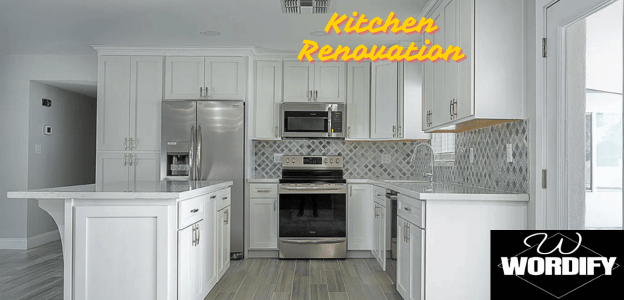
Hiring a professional contractor ensures the renovation is completed efficiently and to a high standard. Contractors bring experience, access to specialized tools, and knowledge of building codes, which are crucial for a successful renovation.
Final Tips for a Successful Kitchen Renovation
Renovating your kitchen can be a major investment, but with careful planning, it can also be a highly rewarding project. Here are some final tips to ensure your renovation goes smoothly:
- Plan: Start by researching design ideas, materials, and costs. The more you plan, the less likely you will encounter unexpected delays or costs.
- Hire reputable professionals: If you hire contractors, read reviews, check references, and get multiple quotes before deciding.
- Stay flexible: Unexpected issues may arise, such as delays in material delivery or unforeseen structural problems. Keeping a flexible mindset will help you handle these challenges more easily.
- Focus on functionality: While aesthetics are important, prioritize functionality and convenience in your design choices.
- Enjoy the process: Although renovations can be stressful, they also present an opportunity to create a space tailored to your needs and style. Embrace the creative process and the excitement of transforming your kitchen.
Conclusion
A kitchen renovation is a chance to turn your culinary space into the heart of your home. By setting a budget, carefully planning the layout, choosing quality materials, and incorporating modern design trends, you can create a kitchen that is functional and a joy to use.
Whether you undertake the project yourself or hire professionals, remember that patience and thoughtful planning are key to a successful kitchen renovation. With the right approach, your dream kitchen is within reach!
Apart from that if you want to know about “Elevate Your Space with Custom Wall Prints” then please visit our “Home Improvement” Category.
FAQs
Renovations provide a brand-new, bespoke kitchen and frequently entail more involved modifications like wall openings to create an open-plan area, more cabinetry with different layouts and functions, or even enlarging the kitchen’s footprint.
What sets interior design apart from house restoration is the main point of differentiation that each industry focuses on. Enhancing a home’s utility is the aim of remodeling. Conversely, interior design concentrates on establishing an aesthetically beautiful space.
The act or procedure of enhancing and fixing anything, particularly a structure: The museum is closed due to renovations. On the property, extensive improvements were made.
A kitchen renovation can take anywhere from a few weeks to several months, depending on the scope of work, material availability, and whether structural changes are involved.
Cabinetry and labor are often the most expensive components of a kitchen renovation, especially if custom cabinets or major layout changes are included.