

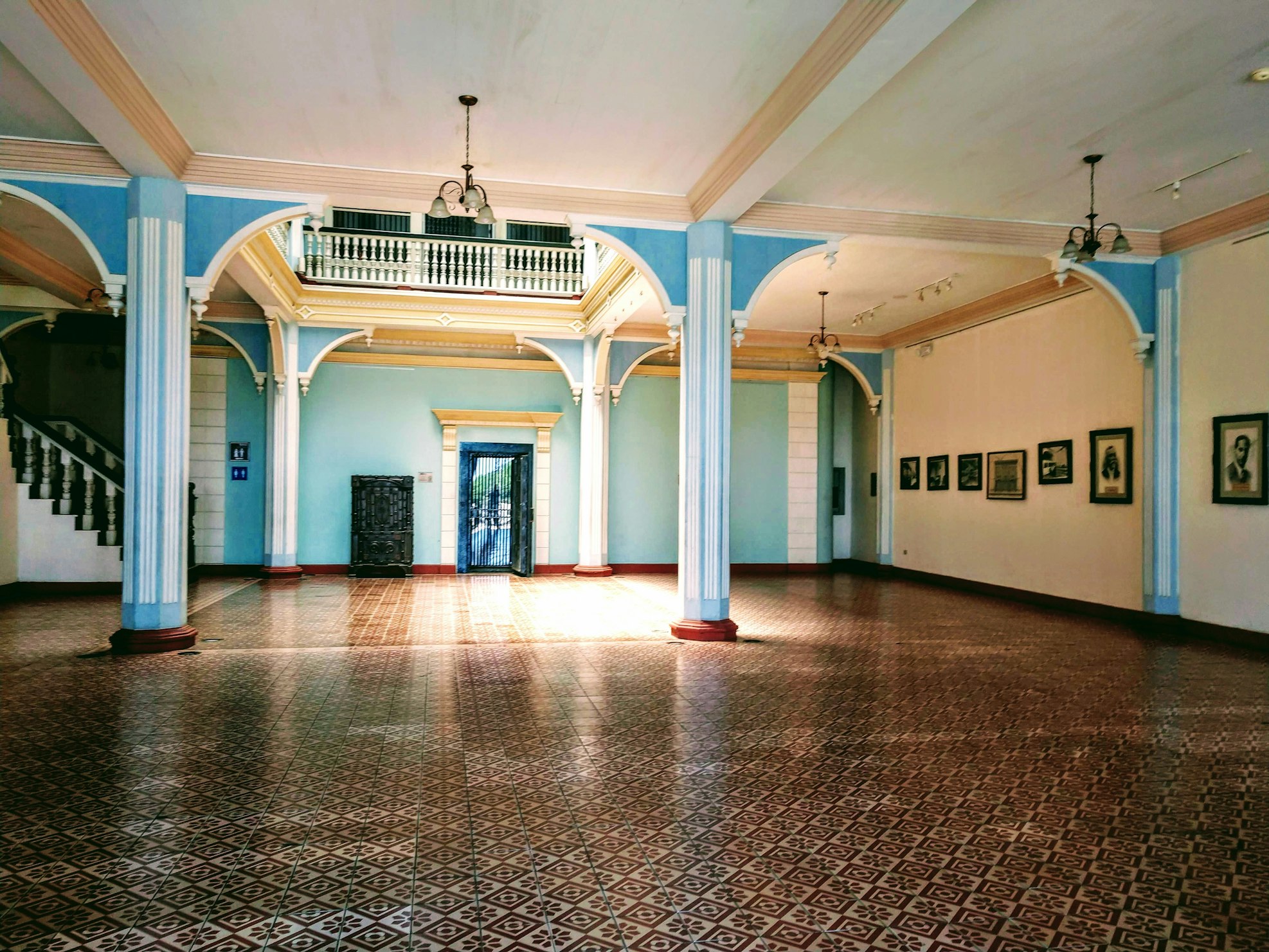
Image from Unsplash
The transformation of old bingo halls into residential accommodation is a captivating trend that merges historical preservation with modern living. These conversions breathe new life into architectural landmarks, offering unique living spaces that honour the past while embracing contemporary comforts.
Across the UK, there is a growing movement to repurpose old bingo halls into residential accommodation. This trend reflects a broader shift towards sustainable urban development, where historical buildings are preserved and adapted to meet modern housing needs. These transformations are becoming increasingly popular according to bingowebsites.org.uk, as they offer a distinctive blend of history and modernity, providing residents with homes that are rich in character and heritage.
Historical Significance of Bingo Halls
Bingo halls have historically served as vibrant social centres within communities, known for their unique architectural designs and cultural significance. These buildings often feature grand façades and spacious interiors that reflect the aesthetic values of their time. By converting these halls into residential accommodation, developers preserve these historical elements, maintaining the building’s identity while adapting it for modern use.
The cultural importance of bingo halls extends beyond their architecture. They are repositories of local history, having hosted countless community events and personal milestones. Transforming these spaces into homes allows for the preservation of this rich history, offering residents a living connection to the past. This approach resonates with those who value living in spaces with deep-rooted cultural narratives.
Many of these historic bingo halls were originally constructed as grand cinema houses during the early 20th century, featuring Art Deco designs and elaborate interior detailing. The conversion projects often uncover hidden architectural gems, such as ornate ceiling medallions, vintage light fixtures and decorative plasterwork that had been concealed during previous renovations. These discoveries not only enhance the aesthetic appeal of the resulting residential spaces but also provide valuable insights into the entertainment venues of bygone eras.
The Transformation Process
Converting bingo halls into residential accommodation involves a complex process that requires careful planning and execution. Architects and builders must integrate modern amenities without compromising the historical integrity of the buildings. This often involves creative solutions to meet contemporary building codes while preserving original features such as decorative cornices and vintage tiles.
Ensuring the structural soundness of these older buildings is a key consideration. Many bingo halls require significant renovations to meet current safety standards, including updates to electrical systems and plumbing. Each step of the conversion process is meticulously managed to maintain the building’s original character while ensuring it meets modern living standards.
Community Impact of Conversions
The conversion of bingo halls into residential accommodation has a significant impact on local communities. These projects revitalise neighbourhoods by transforming underutilised spaces into vibrant living areas, attracting families seeking unique homes within urban settings. This influx of new residents fosters demographic diversity and stimulates economic growth.
Living in a former social venue often instils a sense of community among residents, who appreciate the historical narratives attached to their homes. These transformed residences become more than just living spaces; they serve as connectors between past communal activities and present-day neighbourhood dynamics. Additionally, the increased foot traffic from new residents supports local businesses, boosting the local economy.
Sustainability and Modern Conveniences
The conversion of bingo halls into residential accommodation often incorporates sustainable practices aimed at reducing environmental impact. Developers frequently use eco-friendly materials and energy-efficient systems during renovations, aligning with global sustainability goals. These initiatives appeal to environmentally conscious buyers who value green living options.
These converted residences also cater to modern family needs by offering spacious interiors adaptable to various lifestyle requirements. The open floor plans typical of bingo halls are ideal for creating flexible living areas that accommodate both communal activities and private retreats. By preserving original architectural features while integrating modern amenities, these conversions achieve a balance between tradition and innovation, making them attractive choices for today’s homebuyers seeking distinctiveness and functionality.
Apart from that if you want to know about “Expert Construction Recruitment Services: Connecting Talent with Opportunity” then please visit our Real Estate Category.