

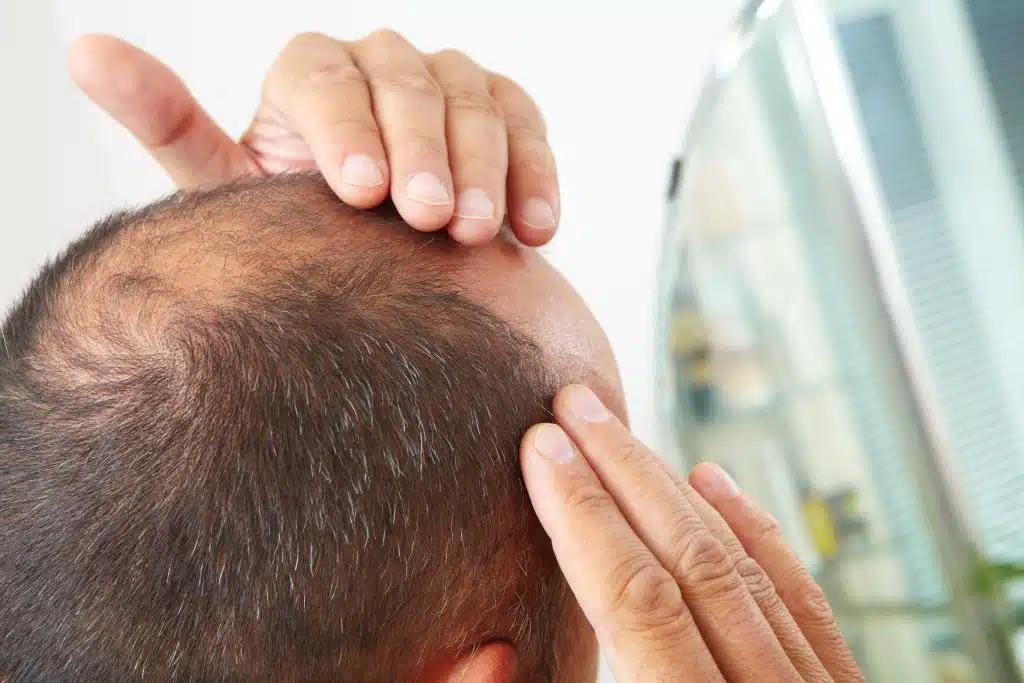
Hair transplant after effects include temporary physical changes that occur as the scalp heals and new growth begins. Most patients experience swelling, redness, mild discomfort, scabbing, and temporary shedding before visible hair growth starts.
These reactions are expected and usually resolve within days to weeks, while full results develop gradually over several months. Less common complications such as infection or prolonged redness can occur but are uncommon when proper aftercare is followed. Understanding these effects helps patients set realistic expectations and recognize what is normal during recovery.
Key Takeaways
- Hair transplant after effects usually include mild swelling, redness, scabbing, and temporary shedding, which improve within weeks as the scalp heals.
- Most side effects of hair transplant surgery are short term and manageable with proper aftercare, while serious complications such as infection or visible scarring are uncommon.
- New growth begins a few months after hair transplant surgery, with noticeable density developing between 6 and 12 months and continued improvement up to 18 months.
- Long term results depend on donor hair quality, surgical technique, and ongoing hair loss, so realistic expectations and medical follow up are essential for lasting outcomes.
What Happens Right After Surgery
A hair transplant involves moving hair follicles from one part of the scalp to another. The surgeon works on both donor and recipient areas, so mild swelling and redness are common. These hair transplant after effects usually appear within the first two days. The scalp may feel tight or sore, which is normal.
Tiny crusts form around each hair graft. These scabs protect the area as it heals and usually fall off within 7 to 10 days. Patients must wash gently to protect the grafts. Good care supports healthy hair growth.
Shedding often starts two to six weeks later. During this stage, transplanted hair falls before new strands grow. This can feel alarming, but it is part of the normal cycle. The follicles remain alive under the skin.
Common Short Term Side Effects
Most hair transplant side effects are mild and improve quickly. They are part of the healing process. Common side effects include:
- Mild swelling on the forehead
- Redness in treated areas
- Itching as skin heals
- Numbness or tingling
- Small scabs around grafts
These side effects of hair transplant surgery hair growth stages often follow a clear pattern. Swelling fades in a few days. Redness may last one to two weeks.
Patients should avoid heavy exercise for several days. They should not scratch or rub the scalp. Simple care lowers the risk of infection.
FUE and FUT Recovery Differences
Healing can vary depending on the method used. Follicular unit extraction FUE removes single grafts using small tools. Follicular unit transplantation FUT removes a thin strip of scalp and divides it into grafts.
A fue hair transplant usually leaves tiny dot scars. These are hard to see once the hair grows. FUT leaves a thin line scar in the donor area. This scar may show if hair is cut very short.
Both types of hair transplant procedures can give natural results. The right method depends on donor hair supply and long term goals. An experienced team reduces risk.
Less Common Problems
Serious potential side effects are rare but possible. Infection is uncommon but can occur if care instructions are not followed. Signs include warmth, swelling that worsens, or fluid drainage.
Other rare hair replacement side effects may include:
- Small pimples called folliculitis
- Redness that lasts months
- Slow healing in some patients
- Patchy growth if grafts do not survive
Visible scarring is uncommon with modern techniques. Still, scars may vary depending on skin type and healing ability. Choosing a skilled surgeon lowers this risk.
Hair Growth Timeline
Hair growth after a transplant follows a clear and predictable pattern. Results do not appear right away because the follicles need time to rest and reset.
Most visible changes happen gradually over several months. Understanding this timeline helps reduce stress during recovery.
In the first few weeks, transplanted hair falls as part of the normal cycle. The follicles remain under the skin and prepare for new growth. This stage is temporary and expected.
The typical timeline looks like this:
- Weeks 2 – 6: Transplanted hair sheds. This is normal and does not mean the grafts failed.
- Months 3 – 4: Early new growth begins. Hair may look thin and soft at first.
- Months 6 – 9: Density improves as more follicles produce thicker strands.
- Months 12 – 18: Final results become clearer, with stronger and more mature hair growth.
Growth speed and thickness vary depending on individual healing, graft quality, and scalp health. Patience is important, as full results take time to develop.
Aftercare Tips
Good care protects grafts and lowers risk. Doctors often recommend simple steps such as:
- Sleep with your head raised for a few nights.
- Avoid strong sun on the scalp.
- Wash gently with mild shampoo.
- Do not smoke during early healing.
Follow all instructions closely. Skipping care can increase swelling or delay healing. Regular checkups help track progress.
Long Term Results
Long term results depend on how stable your hair loss is. Transplanted follicles usually keep growing because they come from stronger areas. This helps maintain healthy hair over time.
Still, natural hair around the grafts may thin. Some patients plan future sessions to keep balance. This is part of smart long term planning.
Many people ask about scars when considering a NYC hair transplant. With proper technique, scars are small and often hidden. Outcomes improve when surgery is performed by hair transplant specialists with experience.
Factors That Affect Results
Several factors influence hair transplant after effects and final growth. These include:
- Age and type of hair loss
- Donor hair thickness
- Smoking habits
- Following aftercare rules
- Surgeon skill
Results vary depending on these details. A clear plan helps protect the donor supply. Long term thinking leads to natural looking density.
Emotional Impact
The waiting period can feel stressful. Early shedding may cause doubt. Clear education helps patients stay calm.
Hair falls in the first month, but this does not mean failure. Growth returns slowly and improves over time. Realistic goals improve satisfaction.
A hair transplant involves moving existing follicles, not creating new ones. Density depends on available donor hair. Understanding limits prevents disappointment.
When to Call Your Doctor
Most hair transplant side effects improve on their own. Still, medical advice is needed if you notice:
- Swelling that gets worse after one week
- Strong pain that does not improve
- Heavy bleeding
- Fever or signs of infection
Early care prevents bigger issues. Quick action protects your result.
Ongoing Care
Maintaining results may require medical therapy. Some patients use treatments to slow further thinning. A doctor can guide safe options.
Healthy habits also support scalp health. Balanced meals and stress control help overall hair growth. Regular checkups allow long term monitoring.
Hair transplant after effects are usually mild and temporary. Most changes are part of normal healing. With proper care and realistic expectations, patients can achieve steady growth and natural looking results that last for years.
Final Thoughts on Recovery and Results
Hair transplant after effects are usually mild and follow a clear healing pattern when patients follow medical advice. Most short term symptoms improve within days or weeks, while visible hair growth develops over several months.
Long term success depends on proper planning, skilled technique, and realistic expectations about density and future hair loss. With informed decisions and consistent follow up, patients can achieve natural looking results that remain stable for years.
Apart from that, if you want to know more about Living With Chronic Eczema a Gentle Ayurvedic Perspective for Long-Term Relief then visit our Health category.