

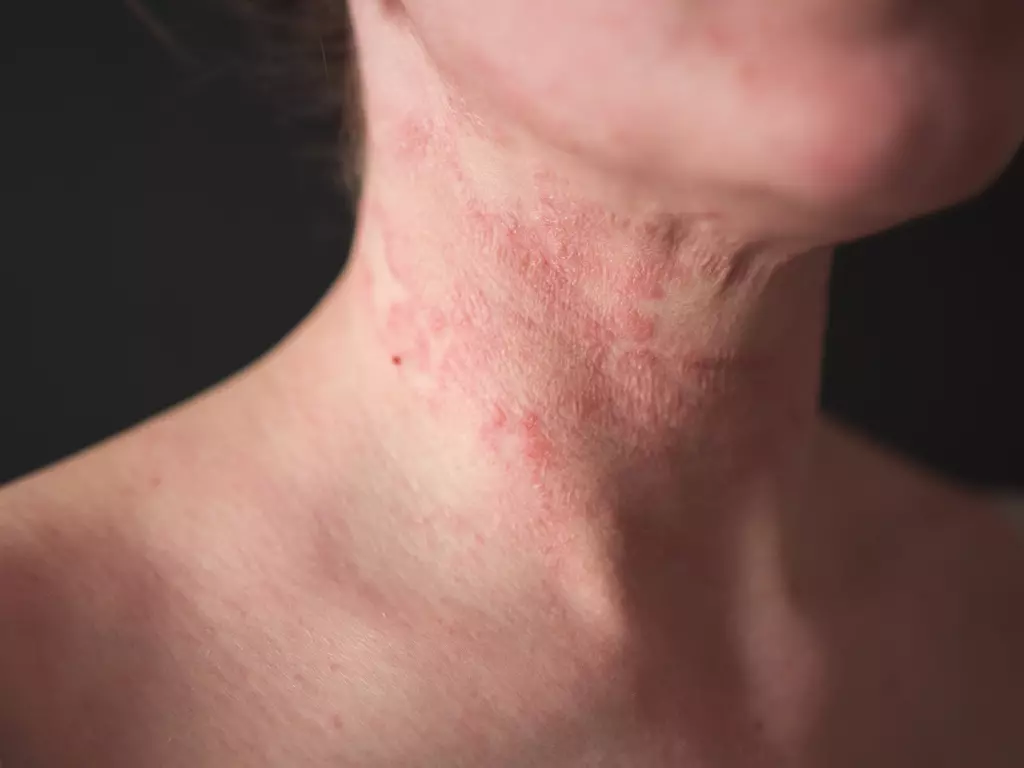
Living with eczema for years can feel exhausted. One week the skin seems calm, the next it’s red, itchy, and flaring again for no clear reason. Many people who deal with this cycle start looking beyond quick fixes and steroid creams, hoping for something that feels more sustainable and friendly. This is where Ayurvedic help for long-term eczema flare-ups often comes into the conversation, especially among those who want to understand why the skin keeps reacting, not just how to quiet it temporarily.
Ayurveda doesn’t promise overnight miracles, and that honesty is part of its appeal. Instead of chasing symptoms, it looks at patterns over time of digestion, daily habits, stress, sleep, and how all of these quietly influence the skin. For people stuck in recurring flare-ups, this slower, whole-body view can feel like a relief.
Core idea explained
What it means in simple words
At its core, Ayurveda sees chronic skin issues as signals. The skin is not acting alone; it’s responding to what’s happening inside the body. Poor digestion, heat build-up, long-term stress, or irregular routines can all show up on the skin’s surface. From this perspective, eczema isn’t just a skin problem; it’s a sign that internal balance is off, sometimes in subtle ways.
Rather than focusing only on suppressing redness or itching, Ayurvedic thinking aims to support the systems that feed skin blood, digestion, detox pathways, and the nervous system. Over time, when these areas improve, flare-ups may become less frequent or less intense. It’s not dramatic, but it’s logical.
Why people search for this topic
People usually start searching for Ayurvedic support after years of trying “everything.” They may be tired of temporary relief, worried about long-term medication use, or frustrated by flares that return as soon as treatment stops. Many also notice patterns: itching after certain foods, flares during stress, worse skin in summer heat or winter dryness. These lived experiences naturally push them toward approaches that consider lifestyle and diet, not just creams.
Ayurveda perspective
Ayurvedic principles involved
In Ayurveda, eczema-like conditions are often linked to imbalances involving heat, dryness, or toxin buildup in the body. Digestion plays a huge role here. When digestion is weak or irregular, waste products may accumulate and circulate, irritating sensitive tissues like the skin. Emotional stress is also considered important; long-term tension can disturb internal balance and show up externally.
Ayurveda doesn’t label everyone the same way. Two people with eczema may need very different approaches depending on their constitution, habits, and triggers. This personality is one reason many find it appealing, even if it takes patience.
Typical patterns people notice in real life
People often report itching that worsens at night, flare-ups after spicy or processed foods, or skin reactions during stressful life periods. Some notice dryness and cracking, others more oozing or redness. Ayurveda pays attention to these differences instead of treating all eczema as identical, which can feel refreshing after years of generic advice.
Practical guidance
Daily routine tips
Consistency matters a lot. Simple routines like waking up at the same time daily, gentle oil massage before bathing, and avoiding very hot showers can support the skin barrier. Keeping the body hydrated and allowing time for proper digestion between meals also helps more than people expect. These habits may sound boring, but over weeks they can make the skin feel calmer.
Food and lifestyle suggestions
Many people with chronic eczema notice improvement when they favor simple, freshly cooked meals and reduce heavy, fried, or overly spicy foods. Cooling foods, adequate fluids, and mindful eating can support digestion and reduce internal heat. Lifestyle-wise, managing stress through breathing exercises, light yoga, or short walks can quietly reduce flare intensity, even if it doesn’t feel dramatic at first.
What to avoid
Common mistakes include over-cleansing the skin, constantly switching products, or following extreme diets without guidance. Ignoring sleep or pushing through high stress while expecting the skin to heal is another big one. Ayurveda emphasizes patience; jumping between methods often creates more imbalance.
Safety and when to seek medical help
Ayurvedic approaches are generally supportive, but they are not a replacement for medical care in serious situations. If eczema becomes infected, extremely painful, rapidly spreading, or is accompanied by fever or swelling, medical attention is essential. Children, pregnant individuals, and people with other chronic illnesses should be especially cautious and seek professional guidance before trying herbs or supplements.
It’s also important to be realistic. Natural approaches can support healing, but they work best alongside proper diagnosis and, when needed, conventional treatment. Balance matters more than ideology.
Conclusion
Chronic eczema can wear down both skin and confidence, especially when flare-ups keep returning. Ayurveda offers a gentler lens one that looks at digestion, routine, stress, and long-term habits instead of chasing quick fixes. While it requires patience and consistency, many people find that even small changes bring a sense of control back into their lives. Start with safe basics, stay observant, and build slowly. If this perspective resonates, share the article with someone who might need it and explore more holistic ways to support your skin journey.
FAQs
Ayurveda doesn’t usually talk about “cures” but focuses on long-term balance and reduction of flare-ups over time.
Some people notice small changes in weeks, while deeper improvements often take months. It varies a lot.
Often yes, but it’s best to coordinate with a healthcare professional to avoid conflicts.
Not usually. Many dietary changes are supportive phases rather than lifelong rules.
They serve different purposes. Herbal products may support skin comfort, but steroids may be needed during severe flares.
Yes, many people notice clear links between emotional stress and skin reactions.
It can be, but children should always be guided by qualified professionals to ensure safety.