


A recent UK study has revealed a significant gap in public understanding of the connection between periodontal (gum) disease and Type 2 diabetes, despite mounting scientific evidence that links the two conditions. The findings, drawn from research involving adults across England, highlight both missed opportunities in routine dental care and a broader need for coordinated strategies that integrate oral health into general medical systems.
The research — commissioned by a periodontal care brand and carried out across multiple UK dental practices — showed that while most adults recognise familiar diabetes risk factors such as diet, weight and family history, only a small fraction of participants were aware that gum disease is also associated with heightened diabetes risk. This lack of awareness persists even though periodontal inflammation contributes to systemic inflammation that can impede metabolic control in individuals with diabetes.
Key Findings: Awareness Gap and Missed Clinical Opportunities
The study found that more than one in three UK adults reported experiencing bleeding gums at least monthly during brushing — a common sign of periodontal disease — yet many simply brushed more gently or ignored the symptom. Alarmingly, only about one in ten participants recognized the link between gum disease and Type 2 diabetes, despite increasing scientific evidence showing a bidirectional relationship in which each condition can exacerbate the other.
This awareness gap matters because early detection and management of both periodontal disease and diabetes can significantly influence long-term health outcomes. Poor oral health has been shown to contribute to chronic systemic inflammation, which can complicate glycaemic control and elevate the risk of cardiovascular and metabolic complications in patients with diabetes.
Moreover, while a plurality of participants had been advised about diabetes risk by their general medical practitioner, fewer than one in 20 reported being informed of the oral-systemic link by their dentist. This suggests a missed opportunity to leverage dental visits as a point of intervention for broader health screening.
Innovative Screening Pathways in Dental Settings
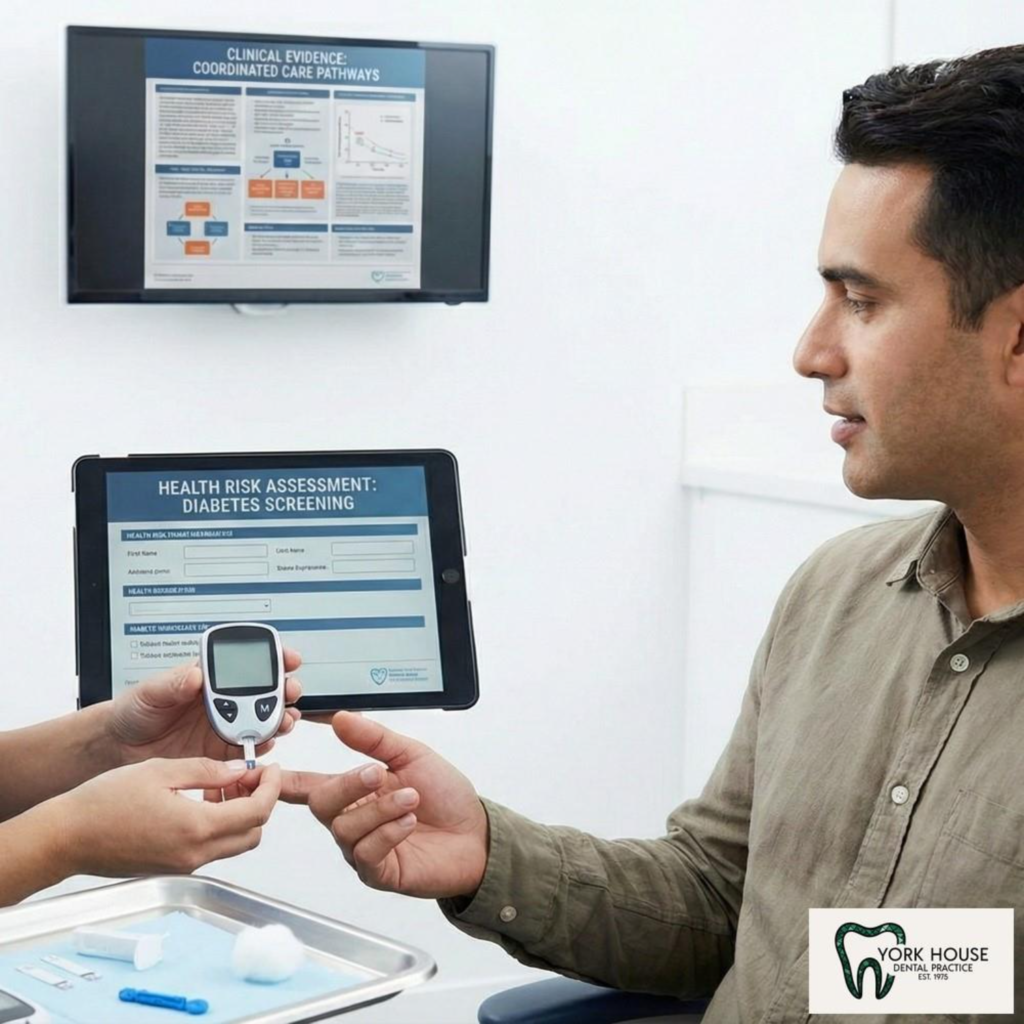
In response to these findings, researchers from the University of Birmingham have partnered with dental practices to trial a new care pathway that integrates diabetes screening into routine dental check-ups. The initiative, currently underway in approximately 50 practices across the UK, invites patients to complete a diabetes risk questionnaire and provide a fingertip blood sample and saliva sample during their dental visit. Based on results indicating elevated risk, patients are referred to their general medical practitioner for further assessment and care.

If expanded nationally, researchers estimate that this model could facilitate early detection of diabetes and pre-diabetes in more than one million individuals who may otherwise remain undiagnosed. Early identification is critical, as undiagnosed Type 2 diabetes can silently progress, increasing the likelihood of cardiovascular, renal and neurological complications that ultimately strain hospital services and Hospital beds.
Clinical Evidence Supporting Oral-Systemic Links
The relationship between gum disease and diabetes is supported by a growing body of scientific literature. Research indicates that chronic periodontitis is more prevalent and severe in individuals with poorly controlled diabetes, and in turn, advanced periodontal inflammation can impair glycemic control and contribute to systemic inflammatory burden. This interplay suggests that both conditions are best managed through coordinated dental and medical care.

Experts stress that despite this evidence, public education on the bidirectional nature of these conditions remains limited. Many adults continue to perceive periodontal disease as a localized dental issue rather than a condition with systemic implications. As a result, treatable indicators of gum health problems — such as bleeding gums, gum recession and mobile teeth — are often dismissed or inadequately addressed.
Dentistry’s Expanding Role in Preventive Health
Dentistry has long been focused on treating tooth decay and gum disease, but mounting evidence suggests that dental teams can play a pivotal role in preventive health beyond the oral cavity. Routine dental examinations are an underused opportunity to identify patients at risk of systemic conditions like diabetes, especially given the frequency with which many people visit their dentist compared with their general practitioner.

For example, regular use of diagnostic tools and treatment procedures — from basic periodontal assessments to the application of scaling instruments and precision devices like the dental handpiece — enables early detection of pathological changes in oral tissues. Dental professionals are trained to spot signs of systemic health issues manifesting in the mouth long before some symptoms become clinically obvious systemically.
Forward-looking practitioners are exploring how dental clinics can support chronic disease prevention frameworks traditionally centered in primary care medicine. Collaborative care pathways that embed simple metabolic screens into dental check-ups signal a paradigm shift in how oral and general health intersect.
Community and Clinical Voices
Clinicians involved in the care pathway trials emphasize the potential for dental teams to function as early detection networks for diabetes and other systemic conditions. “This study could make a real difference,” said one specialist periodontist involved in the project, noting that dental visits are frequent and trusted touchpoints for many patients. By identifying high-risk individuals early, dental teams contribute not only to improved oral health but also to better holistic wellbeing and reduced long-term health costs.

Local dental professionals also recognize the broader public health imperative to close education gaps. For many individuals, a visit to their Dentist in West Byfleet or other community practices remains the primary interval for receiving personalized guidance about oral hygiene and lifestyle factors. These practitioners offer comprehensive care including routine check-ups, preventive treatments, and advanced procedures such as dental implants for patients requiring tooth replacement. Encouragingly, this places dental clinics in unique community positions to reinforce the importance of systemic health awareness during routine check-ups.
Educational and Policy Implications
Advocates of integrated care argue that professional education must evolve to equip both dental and medical practitioners with tools to communicate effectively about the oral-systemic interface. This involves training dentists to provide basic systemic health risk guidance and educating medical professionals about oral health indicators relevant to conditions like diabetes.

At a policy level, formalizing referral frameworks between dental and medical services could standardize early screening protocols and reduce the burden of advanced disease on the NHS. By intercepting metabolic disease progression earlier, fewer patients may progress to stages requiring extended hospitalization or complex interventions — thereby easing pressure on Hospital beds and specialized medical units.
Looking Forward: Bridging Awareness and Action
The study’s findings underline a critical need for enhanced patient education, systemic integration and proactive screening strategies that transcend traditional clinical silos. With evidence increasingly pointing to the interplay between oral and systemic health, healthcare models that incorporate dental assessments into wider preventive health strategies are gaining recognition.
Efforts to scale successful pilot programmers, upgrade clinician training and raise public awareness could reshape how the UK addresses chronic disease risk — not merely as isolated individual conditions but as interconnected facets of overall health.
By reframing the conversation about periodontal disease as an indicator of broader metabolic risk, healthcare stakeholders aim to ensure that conditions such as diabetes are detected and treated earlier, improving patient outcomes and decreasing the long-term demand for acute medical care.