
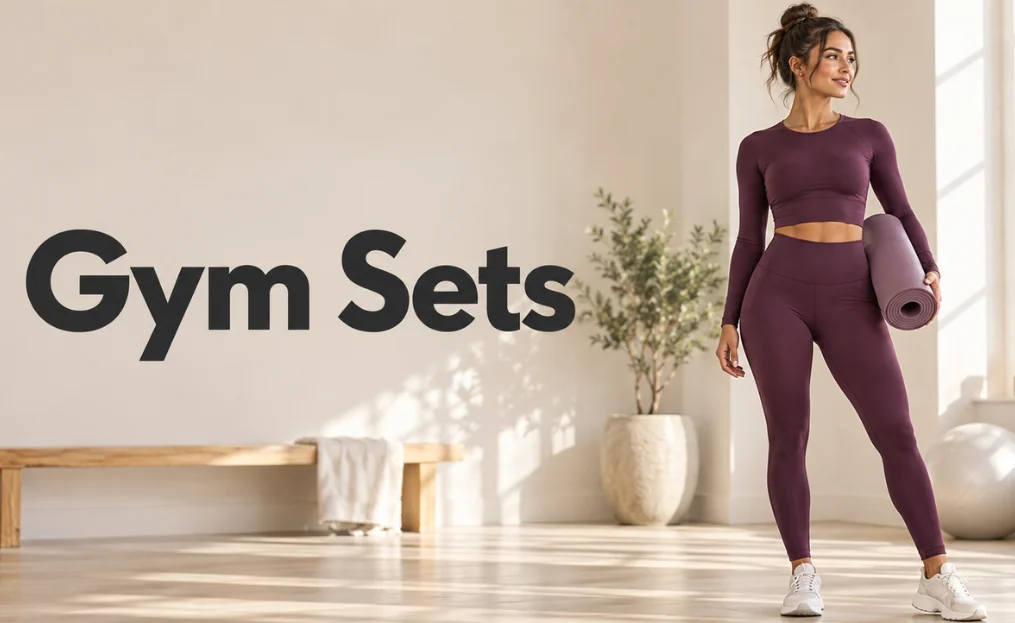
Choosing gym sets is easier when you start with your workout rather than color or trend. The right combination should support movement, manage sweat, and stay comfortable throughout training. Your preferred coverage, UK weather, and budget should guide the final choice.
| What to check | Why it matters | Useful choice |
|---|---|---|
| Workout type | Different sessions need different support. | Match fabric and support to your activity. |
| Fabric | Affects stretch, sweat control, and comfort | Choose breathable stretch materials. |
| Bottoms | Determines coverage and movement | Leggings, cycling shorts, or training shorts |
| Top | Changes support and ventilation | Sports bra, vest, T-shirt, or long sleeve |
| Waistband | Helps the bottoms stay secure | Wide or supportive high-rise styles |
| Price | Matching pieces can vary widely. | Set a budget before comparing brands. |
| UK weather | Outdoor journeys may need extra layers. | Add a hoodie, jacket, or overshirt. |
Direct answer: Good gym sets combine comfortable stretch, suitable support, secure waistbands, and enough coverage for your preferred workout. UK shoppers can find affordable pieces and premium performance options across major retailers. Choose the activity first, test how the clothing moves, then compare price, fit, and fabric before buying.
Key takeaways
- Choose clothing for your main workout before considering color.
- Check stretch, opacity, waistband security, and bra support.
- Leggings suit versatile training, while shorts help during warmer sessions.
- Higher prices don’t automatically mean a better fit.
- Leave room in your budget for layers if you train through colder UK months.
- Test squats, lunges, reaches, and bends before removing the tags.
What to Look for When Buying Gym Sets
Start by deciding where you will wear the outfit most often. Strength training places different demands on clothing than running, yoga, or Pilates. Buying for a specific activity makes it much easier to compare options. Stretch should allow your hips, shoulders, and knees to move freely. Fabric should recover after stretching instead of becoming loose during the session.
Also check whether lighter colors become transparent when the material stretches. Support matters most when your workout includes running or repeated jumping. A sports bra intended for gentle studio work may feel unsuitable during high-impact exercise. Retailers increasingly label support levels, making comparisons easier.
Pay attention to waistband design because constant adjustment can interrupt training. A broad waistband often feels more secure during squats, bends, and floor exercises. The best height still depends on your body shape and personal comfort.
Choose the Right Set for Your Workout
Your training style should decide which features deserve the most attention. A soft yoga outfit may lack the structure needed for running. Likewise, heavy compression can feel unnecessary during mobility sessions.
| Workout | Bottoms | Top | Features to prioritize |
|---|---|---|---|
| Strength training | Leggings or fitted shorts | Sports bra, vest, or T-shirt | Stretch, secure waistband, opacity |
| Running | Running tights or shorts | Supportive bra and breathable top | Sweat management, support, secure pockets |
| HIIT | Fitted shorts or leggings | Medium or high-support top | Stability, ventilation, freedom of movement |
| Yoga or Pilates | Soft leggings or flares | Light-support bra or fitted top | Flexibility, comfort, smooth seams |
| Walking | Leggings, joggers, or shorts | T-shirt, vest, or sweatshirt | Comfort, layering, useful pockets |
Strength sessions involve repeated bending, bracing, and position changes. Test whether your waistband stays flat during squats and Romanian deadlifts. Wordify’s shoulder workout gym guide also shows how varied upper-body movements can become during one session.
Running clothing needs to handle more repeated movement and sweat. Make sure seams don’t rub, and pockets hold essentials securely. Readers working on pace can also use Wordify’s guide to running faster alongside suitable training clothing.
Yoga and Pilates usually benefit from softer, flexible fabrics. Excessively loose tops may fall forward during inverted positions or floor work. Close-fitting layers can provide coverage without limiting movement.
How Fabric Changes Comfort and Performance
Most activewear uses blends of synthetic fibers and elastane. These fabrics can provide stretch while drying faster than heavier everyday cotton. Performance still varies by product, so fabric labels alone cannot guarantee comfort.
Knitted designs with few stitched joins can reduce the number of seams around the body. They may feel smooth during stretching, lunges, or longer sessions. Yet this style of clothing can still rub if the size or cut does not suit you.
Compression is another feature worth treating carefully. Firm fabrics can feel supportive during lifting or faster sessions. They shouldn’t restrict breathing, cause numbness, or make normal movement uncomfortable. Soft-touch materials are popular for studio sessions and casual wear.
They can feel pleasant during lower-impact training and rest days. Check the washing instructions because surface finishes can change after repeated laundering.
How Much Should a Matching Workout Set Cost in the UK?
UK pricing covers a broad range, so there is no single sensible budget. High street and supermarket-style retailers sell individual pieces at the lower end of the market. Their tops and leggings show that coordinated clothing does not require premium spending.
Premium sports brands can cost considerably more per piece. Large sports brands sell tops, bras, shorts, and leggings at higher price points. Some leggings exceed £100, while many tops cost less. Mid-range specialist retailers often fall between those extremes. Specialist gym-wear brands often price bras and shorts between £30 and £50 per item.
Prices and stock can change, so always check the retailer before ordering. Price should be judged against how often you expect to wear each piece. A versatile black legging may earn more use than a distinctive seasonal color. Cost per wear matters more than the logo printed on the waistband.
Use the Three-Movement Fit Test
A changing-room mirror only shows how clothing fits while you stand still. Training involves bending, reaching, twisting, and repeated changes in position. A short movement check can reveal problems before you commit to the purchase.
First, complete several deep bodyweight squats while checking waistband movement and fabric coverage. Next, perform a forward lunge on each side and reach both arms overhead. Finally, bend forward and return upright several times while noticing rolling, pinching, or slipping.
Repeat the test in your usual training underwear, if possible. Small clothing changes can affect comfort beneath close-fitting fabrics. This simple check is especially useful for online orders before removing tags.
Dress for UK Weather Without Ruining the Outfit
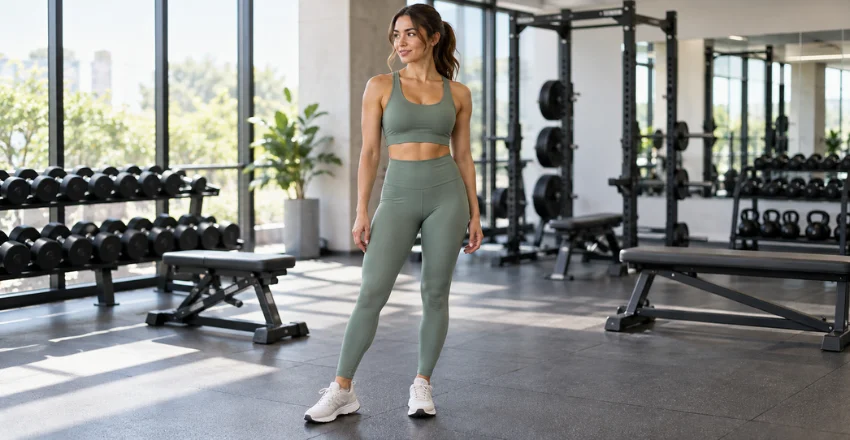
British weather can make the journey to training colder than the session itself. A breathable indoor outfit may need another layer outside. Choose something easy to remove once you start warming up. Zip jackets work well because you can adjust ventilation quickly. Hoodies are useful for travel, warm-ups, and slower outdoor sessions.
Water-resistant outer layers make more sense when you regularly walk to the gym. You do not need separate clothing for every temperature change. A small group of reliable layers can cover most seasonal conditions. That approach also supports the practical habit-building advice in Wordify’s low-friction weight-loss plan.
Should You Buy a Matching Set or Mix Separate Pieces?
Matching clothing makes outfit planning quick and gives colors a consistent finish. Buying pieces from one collection can also help fabrics and fits work together. It is useful when you want a simple training wardrobe. Mixing separates gives you more control over fit and support. You may prefer one retailer’s leggings but another company’s sports bras.
That approach can be smarter when your upper and lower body need different sizes. Neither choice improves a workout by itself. Comfort, movement, and suitable support matter more than perfect color matching. Choose the approach that makes getting ready easier and keeps you focused on training.
Our Verdict: Which Type Should You Buy?
For strength training, start with opaque stretch leggings or fitted shorts and a secure top. Add compression only if you find it comfortable during lifting. Pockets can be useful when you carry a phone between exercises. For running or HIIT, prioritize sweat control and suitable bra support.
Secure pockets and smooth seams also become more important during repetitive movement. Darker colors may appeal if visible sweat marks concern you. For Pilates, yoga, and everyday wear, softer fabrics usually make sense. Flexible leggings, flares, or cycling shorts can all work well.
Choose enough coverage for the positions and movements in your usual class. For a first purchase, neutral colors are the easiest place to start. Black, navy, grey, and muted shades combine easily with existing layers. You can add brighter colors once you know which cuts work for you.
Frequently Asked Questions
What are the best gym sets for beginners?
Beginners should prioritize comfort, coverage, and a secure fit over specialist performance features. Start with versatile leggings or shorts and a supportive top. Neutral colors can also make the pieces easier to combine with clothing you already own.
Are matching workout sets worth buying?
They can be worthwhile if coordinated clothing makes getting ready quicker. Matching pieces may also share similar fabrics, colors, and design details. They are unnecessary if separate items give you a better personal fit.
Should workout leggings feel tight?
Leggings should feel secure without restricting normal movement or breathing. You should be able to squat and bend without painful pressure. Try another size or style if the waistband digs deeply into your body.
Are seamless sets better for the gym?
Seamless construction can reduce stitched areas that may rub during movement. It does not automatically make an outfit more supportive or durable. Fit, fabric quality, and intended activity remain more useful buying criteria.
What colour is most practical for training?
Dark neutrals are easy to combine and can make visible sweat less noticeable. Lighter colours may require a closer opacity check before purchase. The best colour remains one you will wear regularly.
Find the Set That Works for Your Routine
Start with one outfit designed around the exercise you do most often. Check movement, support, coverage, and washing instructions before expanding your training wardrobe. A reliable first set gives you a useful benchmark for future purchases.
Compare current stock and prices before ordering because ranges change throughout the year. When your order arrives, use the three-movement test and keep only the pieces that stay comfortable. The goal is simple clothing that lets you concentrate on the session instead of constant adjustments.