

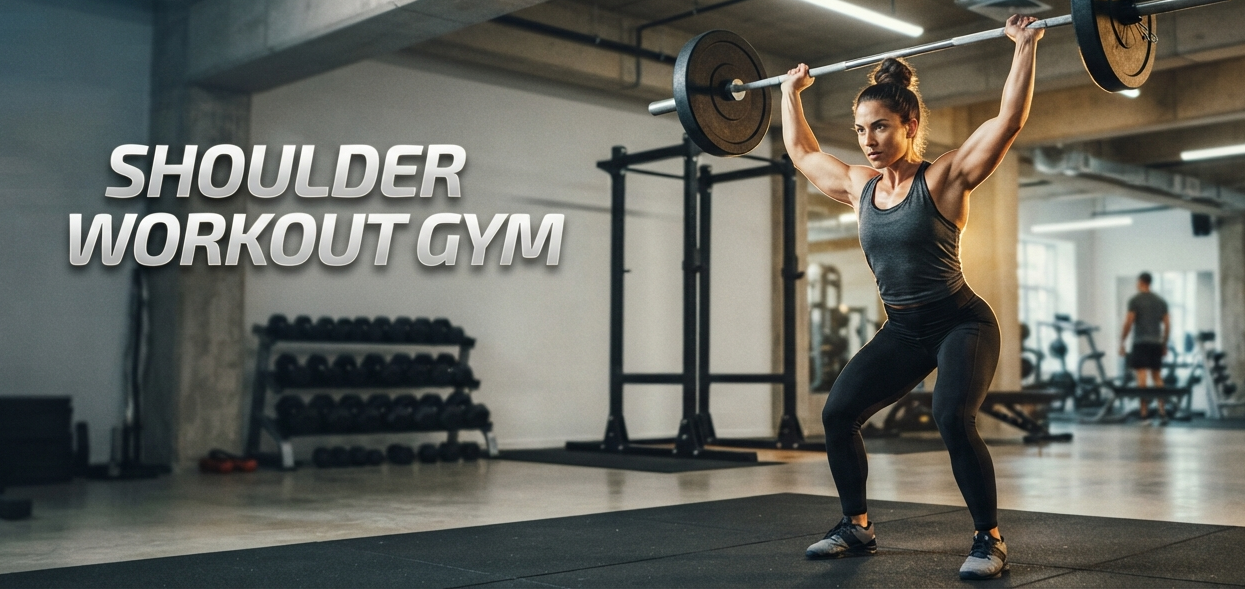
A shoulder workout gym routine is essential for building upper-body strength, improving posture, and increasing joint stability. Strong shoulders support pressing, pulling, carrying, and sports movements by activating the front, side, and rear deltoids. Exercises like the barbell overhead press for front delts, dumbbell lateral raises for width, Face pulls for rear delts, and external rotations for rotator cuff stability create balanced development.
Training usually includes 4 sets of 6–8 reps for compound lifts and 3–4 sets of 10–15 reps for isolation work with 60–90 seconds rest. Progressive overload of 2.5–5% of body weight helps muscle growth over time. A shoulder workout gym programme combined with 1.6–2.2g protein per kg body weight, proper warm-up, and 12–20 weekly sets improves performance, reduces injury risk, and supports consistent strength gains.
| Basics | Details |
| Shoulder training | Upper body strength |
| Upper body power | Improved performance level |
| Balanced development | Better posture support |
| Joint stability | Reduced injury risk |
| Overhead press | Front deltoid growth |
| Barbell press | Heavy compound lift |
| Dumbbell lateral raise | Side shoulder width |
| Controlled movement | Slow lifting tempo |
| Rear deltoids | Posture improvement focus |
| Face pulls | Cable rear activation |
| Rotator cuff | Shoulder joint stability |
| External rotations | Injury prevention exercise |
| Structured workout | Compound isolation mix |
| Rest periods | 60–90 seconds |
| Protein nutrition | Muscle recovery fuel |
| Progressive overload | Gradual strength increase |
Why Shoulder Training Matters?
Strong shoulders improve performance across nearly every upper-body exercise. Whether pressing a bench, performing pull-ups, carrying heavy shopping bags, or playing sports, the shoulders provide stability and power. Balanced development also creates a wider upper body, supports better posture, and helps protect the shoulder joint from unnecessary strain during demanding movements.
Benefits Of Shoulder Workout Gym
- A shoulder workout gym routine helps increase upper-body strength, improve shoulder stability, and give the upper body a broader appearance.
- Regular training enhances performance during chest, back, and arm exercises because the shoulders assist numerous movements.
- Proper shoulder development also reduces muscular imbalances, supports healthy joints, improves lifting confidence, and contributes to better movement quality
- everyday physical activities and structured resistance training programmes.
Best Exercise
Front Deltoids
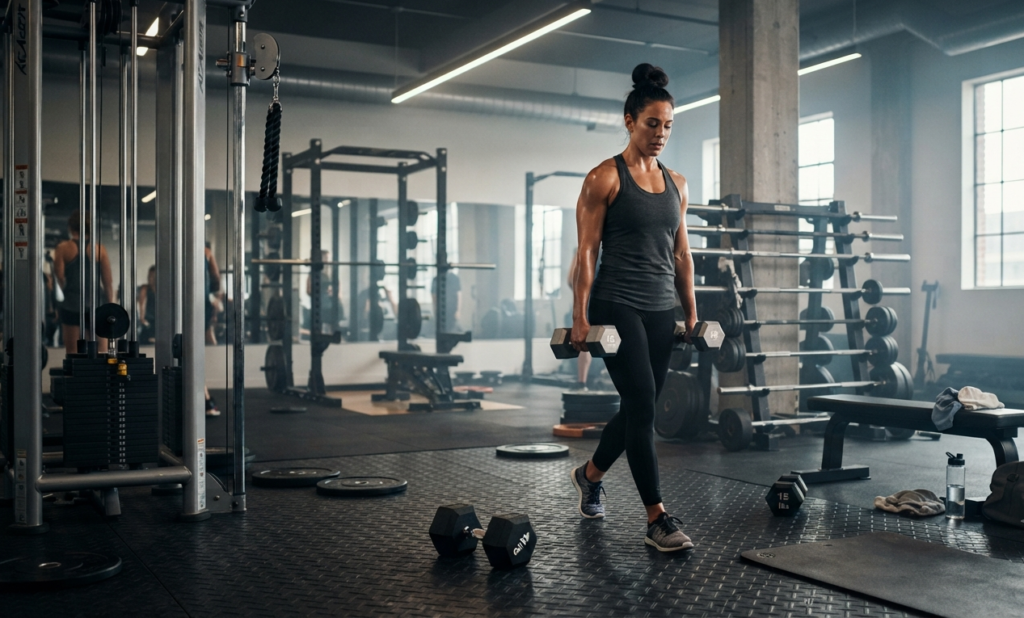
The Barbell Overhead Press is one of the most effective exercises for developing the front deltoids. Stand with feet shoulder-width apart and grip the bar slightly wider than shoulder-width. Press the bar directly overhead until your arms are fully extended, then lower slowly over 2 to 3 seconds. Perform 4 sets of 6–8 repetitions while keeping the core tight and avoiding excessive back arching.
Side Deltoids
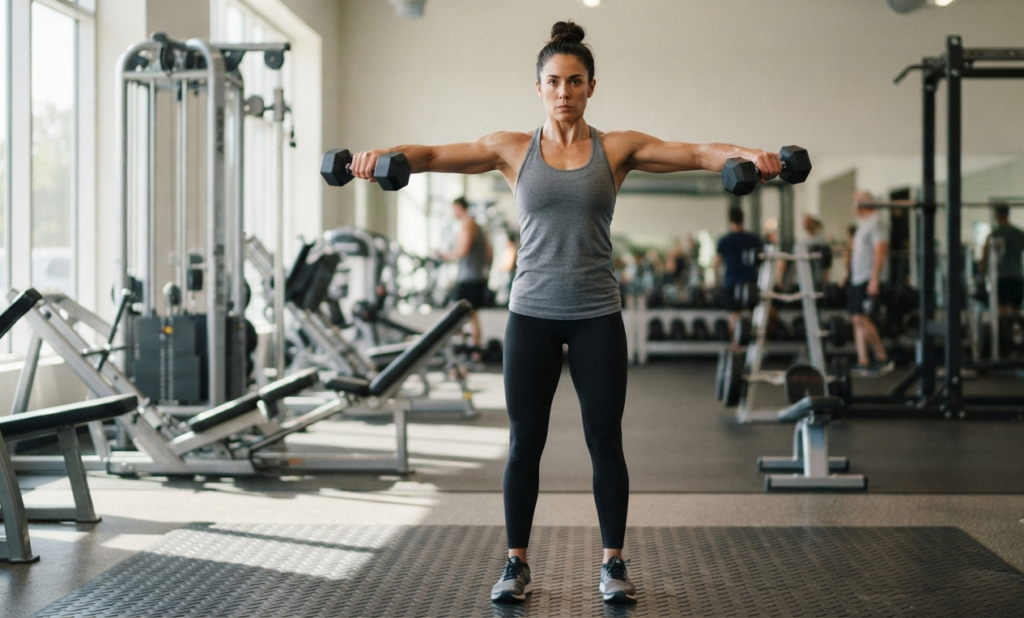
Dumbbell Lateral Raises are the most popular exercise for widening the shoulders. Hold a dumbbell in each hand with a slight bend in the elbows. Raise both arms to shoulder height, then lower slowly under control. Avoid swinging the weights. Complete 4 sets of 10–15 repetitions using moderate resistance to maintain tension on the side deltoids throughout every repetition.
Rear Deltoids
For a shoulder workout gym, Face Pulls effectively strengthen the rear deltoids while improving posture and shoulder stability. Attach a rope to a cable machine positioned at upper chest height. Pull the rope towards your Face while keeping elbows high and squeezing the shoulder blades together. Slowly return to the starting position. Perform 3–4 sets of 12–15 repetitions using controlled movement without excessive body momentum.
Rotator Cuff Exercise
External Cable Rotations strengthen the rotator cuff muscles that stabilise the shoulder joint. Stand beside a cable machine with your elbow bent at 90 degrees and kept close to your side. Rotate the forearm away from the body before returning slowly. Perform 3 sets of 12–15 repetitions on each arm using light resistance to protect shoulder health and improve stability.
Structuring
- A balanced shoulder workout gym session should begin with compound lifts before progressing to isolation exercises.
- Start with overhead presses, continue with lateral raises, then rear deltoid movements, and finish with shrugs or rotator cuff exercises.
- Rest for 60–90 seconds between hypertrophy sets, or around 2 minutes for heavier strength work, to maximise performance and maintain excellent lifting technique throughout the workout.
7-Day Schedule
| Day | Timeline | Exercise Name | Sets | Reps | Rest | Target Muscles | Nutrition |
| Day 1 | 60–70 min | Barbell Press, Lateral Raise, Face Pull | 4/4/3 | 6–8 / 12–15 / 12–15 | 90–120s | Front, side, rear delts | High protein + carbs (eggs, chicken, rice, banana, whey) |
| Day 2 | 45–60 min | Arnold Press, Reverse Fly, External Rotation | 4/3/3 | 8–12 / 12–15 / 12–15 | 60–90s | Full delts, rear, rotator cuff | Balanced (eggs, daal, rice, yogurt, chicken) |
| Day 3 | 30–40 min | Active Recovery + Mobility | — | — | — | Recovery, Mobility | Light diet (fruits, yogurt, nuts, daal) |
| Day 4 | 60–70 min | Barbell Press, Lateral Raise, Shrugs | 4/4/3 | 6–8 / 10–15 / 10–12 | 90–120s | Front delts, side delts, traps | High energy (eggs, chicken, rice, banana, fish) |
| Day 5 | 45–60 min | Arnold Press, Face Pull, Cable Raise | 3/4/3 | 8–10 / 12–15 / 12–15 | 60–90s | Full delts, rear, side | Muscle repair (oats, chicken, milk, vegetables) |
| Day 6 | 30–40 min | Mobility + Light Cardio | — | — | — | Recovery | Light meals (fruit, daal, yogurt, nuts) |
| Day 7 | 45–60 min | Full Shoulder Circuit | 2–3 each | 12–15 | 60s | Full shoulders | Balanced (eggs, rice, chicken, banana, veg) |
Training Frequency
A shoulder workout gym programme works best when performed once or twice each week. Allow 48–72 hours of Recovery before training shoulders again. Beginners should perform about 12 total working sets per week. At the same time, experienced lifters can increase volume to approximately 18–20 sets, depending on Recovery, training intensity, nutrition, sleep quality, and overall weekly workload from other upper-body exercises.
Progressive Overload
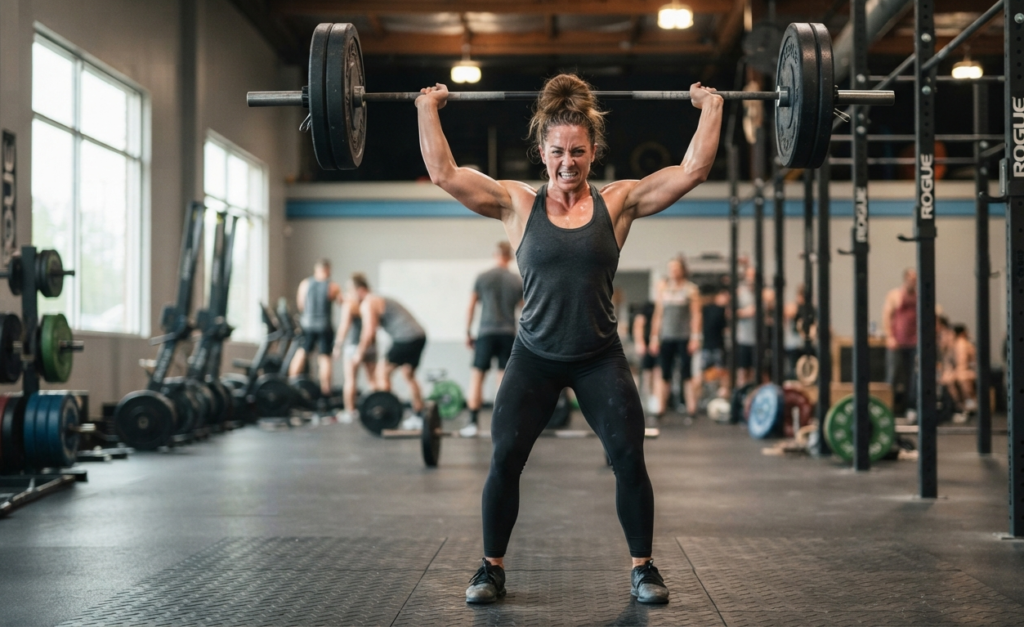
Progressive overload is essential during a shoulder workout gym programme because muscles adapt to increasing demands. Increase the weight by approximately 2.5–5% after comfortably completing each target repetition with proper form. Alternatively, add one set of tracking before increasing resistance. Recording workouts enables consistent progress tracking and helps identify plateaus.
Arnold Press for Complete Development
The Arnold Press targets all three heads of the deltoid through a greater range of motion. Begin seated, holding dumbbells in front of the shoulders with palms facing inward. Rotate the wrists while pressing overhead until the palms face forward. Reverse the movement slowly. Perform 3–4 sets of 8–12 repetitions to stimulate multiple shoulder muscles effectively within a single exercise.
Essential Equipment
A complete shoulder gym routine benefits from using barbells, dumbbells, cable machines, resistance bands, kettlebells, and plate-loaded machines. Barbells develop maximum strength, dumbbells improve stability and range of motion, while cable machines provide continuous muscle tension. Rotating different equipment prevents training monotony and encourages balanced muscle development across the shoulder complex.
Nutrition
Good nutrition enhances every shoulder workout gym session by supplying energy for training and nutrients for Recovery. Aim to consume 1.6–2.2 grams of protein per kilogram of body weight daily. Eat complex carbohydrates one to two hours before training for sustained energy, followed by a protein-rich meal within 60–90 minutes afterwards. Stay hydrated by drinking approximately 2–3 litres of water daily.
Warm-Up Before Shoulder Training
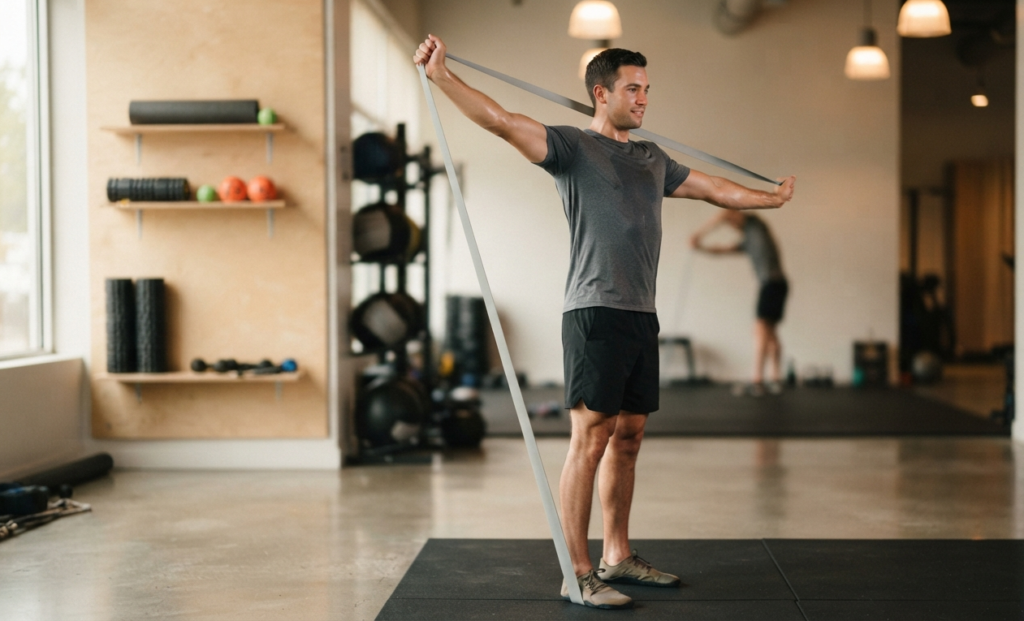
A proper warm-up should last around 10 minutes before lifting. Begin with five minutes of rowing or cycling to increase blood flow. Continue with arm circles, resistance band pull-aparts, shoulder dislocations, scapular push-ups, and lightweight overhead presses. Completing one or two lighter warm-up sets before heavy exercises prepares the muscles and joints, significantly reducing the risk of injury.
Common Mistakes During Gym
- Many people performing a shoulder workout gym routine use excessive weight, shorten their range of motion, or neglect rear deltoid training.
- These mistakes reduce muscle activation and increase joint stress.
- Always prioritise controlled repetitions, balanced exercise selection, correct posture, and gradual progression rather than chasing heavier weights with poor technique or relying on momentum.
Conclusion
A shoulder workout gym routine is highly effective for building strength, improving posture, and supporting joint stability when followed consistently. Exercises like barbell overhead press, lateral raises, Face pulls, and external rotations develop all three deltoid heads while reducing the risk of injury.
Training with 12–20 sets per week, proper 60–90-second rest periods, and progressive overload ensures steady muscle growth. Combined with balanced nutrition (1.6–2.2g protein per kg body weight), Recovery, and good form, it delivers long-term gains in shoulder strength and performance.
Want to know about Check out Smart Choices for a Healthier, Stronger Life in Your Golden Years our Health category.
FAQs
Shoulder training is important because it improves overall upper-body strength, supports pushing and pulling movements, enhances posture, and effectively stabilises joints during daily activities and gym exercises.
The best exercises include overhead pressing, lateral raises, Face pulls, and external rotations. These movements target different shoulder areas, build balanced strength, size, and stability, and reduce injury risk.
Compound exercises usually need 4 sets of 6–8 reps, while isolation movements require 3–4 sets of 10–15 reps. This combination supports both strength and muscle growth efficiently.
Nutrition is very important because protein supports muscle repair and growth, while carbohydrates provide energy for workouts. Proper hydration also supports Recovery and significantly improves training performance.
Shoulders should be trained one to two times per week with adequate recovery time. This allows muscles to repair properly, grow stronger, and reduces the risk of overtraining injuries.