
Introduction
In the realm of residential construction, fine homebuilding stands apart as a discipline defined by elegance, precision, and enduring quality. It is not simply the act of building a house but rather the process of crafting a personalized sanctuary, one that reflects the homeowner’s vision while incorporating timeless architectural beauty and exceptional functionality.
From the earliest planning stages to the final walk-through, fine homebuilding is characterized by deliberate design choices, premium materials, and the highest levels of craftsmanship. This approach demands close collaboration among architects, builders, designers, and homeowners, ensuring that every detail is intentionally executed.
As modern trends and technologies continue to influence the industry, fine homebuilding remains a celebration of artistry, sustainability, and enduring value. It is the art of turning architectural vision into timeless living spaces through masterful craftsmanship, personalized design, and enduring quality.
| Element | Summary |
| Fine Homebuilding | Custom homebuilding with focus on quality and design |
| Core Values | Precision, craftsmanship, and personalization |
| Collaboration | Homeowners, architects, and builders work closely together. |
| Modern Influence | Blends tradition with tech and sustainability |
| Essence | Artful creation of lasting, luxurious living spaces |
Fine Homebuilding
Fine homebuilding is the meticulous art of designing and constructing high-quality, custom homes that strike a balance between aesthetic beauty and superior functionality, durability, and craftsmanship. Unlike mass-produced housing, fine homebuilding emphasizes individualization, where every element of the house is thoughtfully tailored to the client’s lifestyle, preferences, and the unique characteristics of the building site.
It involves close collaboration between architects, builders, and homeowners, resulting in a seamless fusion of creative vision and technical precision. High-end materials, such as hardwood flooring, natural stone, custom cabinetry, and energy-efficient systems, are carefully selected not just for their visual appeal but also for their longevity and performance.
Skilled tradespeople, including carpenters, masons, electricians, and artisans, contribute to every stage of the project, ensuring flawless execution and meticulous attention to detail. Moreover, fine homebuilding often integrates sustainable design principles, innovative technologies, and wellness-oriented features to create homes that are not only luxurious but also environmentally responsible and health-conscious.
Principal of homebuilding
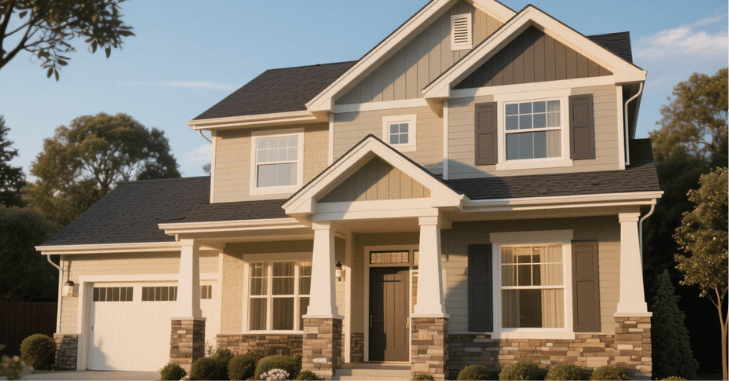
Fine homebuilding refers to the process of constructing high-quality, often custom-designed homes using superior materials, advanced techniques, and expert craftsmanship. This style of homebuilding emphasizes:
- Durability
- Timeless design
- Attention to detail
- Energy efficiency
- Comfort and livability
These homes are often built to fit the specific needs and lifestyle of the homeowner and are considered lasting investments in quality and value.
Principles of Fine Homebuilding
Fine homebuilding is rooted in a set of guiding principles that distinguish it from conventional construction. At its core is a commitment to quality over quantity. Every element, from the structural framing to the final finish, is executed with precision and care. Rather than focusing on producing many homes quickly, fine homebuilders prioritize exceptional craftsmanship and the use of superior materials to ensure each home stands the test of time.
Another foundational principle is the idea that function must meet form. A fine home isn’t just about aesthetics; it’s about creating a space that is both beautiful and livable. This means optimizing floor plans, room sizes, natural lighting, and storage solutions to enhance everyday life and ensure the home functions seamlessly for its occupants.
Another key principle is material excellence. Builders select materials not just for appearance but also for their durability and performance. High-end hardwoods, natural stone, copper roofing, and energy-efficient insulation are common choices. Though these materials often involve a higher upfront cost, they provide significant long-term benefits in terms of durability and aesthetic appeal.
Finally, sustainability and efficiency are increasingly central to fine homebuilding. Modern fine homes incorporate environmentally responsible building practices and energy-efficient technologies. From renewable building materials and triple-glazed windows to smart-home systems and efficient HVAC installations, the goal is to reduce environmental impact while increasing comfort and long-term value.
Stages of Fine Homebuilding
| Stage | Description |
| 1. Design & Planning | Collaborative planning tailored to the site and client preferences, focusing on layout, orientation, and aesthetic vision. |
| 2. Site Preparation & Foundation | Involves excavation, soil testing, and selecting the proper foundation type (slab, crawl space, or basement) for structural integrity. |
| 3. Framing and Structural Work | Carpenters build the home’s framework with precision to ensure long-lasting structural stability. |
| 4. Mechanical Systems | Installation of advanced electrical, plumbing, and HVAC systems, often integrated with smart home technology. |
| 5. Interior Finishes | Includes custom cabinetry, premium flooring, artisan tiles, and designer fixtures that personalize and elevate the home. |
| 6. Final Touches & Walkthrough | Final inspections, polishing, and homeowner walkthrough to confirm quality and satisfaction before move-in. |
Craftsmanship in Focus
One of the hallmarks of fine homebuilding is visible craftsmanship. This includes:
- Custom staircases: Curved or floating staircases made by hand.
- Built-ins: Shelving, window seats, and cabinetry that look like they grew with the house.
- Exposed beams: Structurally functional and aesthetically striking.
- Finish carpentry: Crown molding, wainscoting, and fine trim work done to millimeter perfection.
Builders often take pride in using traditional tools alongside modern innovations, blending the old and new.
The Role of Architects and Designers
In fine homebuilding, collaboration is critical. Architects and interior designers help shape the vision, ensuring harmony between the home’s architecture, functionality, and aesthetic. Many designs are inspired by architectural traditions, such as Craftsman, Colonial, Modernist, or Mediterranean, and are blended with the client’s personal style.
- Flow of space
- Proportion and scale
- Natural light
- Material cohesion
- Accessibility and aging-in-place
Technology in Fine Homebuilding
While rooted in tradition, fine homebuilding also embraces innovation. Key technologies include:
- 3D modeling and BIM (Building Information Modeling) for precision planning.
- Smart home systems that control lighting, security, climate, and audio.
- Sustainable innovations like geothermal heating, solar panels, and green roofing.
- Prefabricated components for speed without sacrificing quality.
Trends in Fine Homebuilding
The fine homebuilding industry continues to evolve, embracing modern innovations while remaining grounded in its timeless principles of quality, craftsmanship, and functionality. One of the most significant trends is the adoption of Passive House design, which emphasizes exceptional energy efficiency through airtight construction, superior insulation, and advanced ventilation systems. These homes drastically reduce energy consumption while maintaining consistent indoor comfort.
Another emerging trend is wellness architecture, which integrates health-focused elements into the design of the home. Features such as circadian lighting systems that align with the body’s natural rhythms, advanced indoor air filtration, and the use of non-toxic, natural materials help promote physical and mental well-being for occupants.
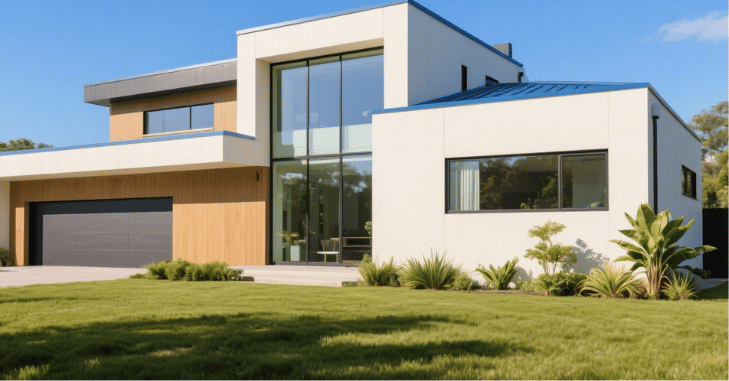
Cost and Value
Fine homebuilding commands a higher initial investment than standard building methods. Costs per square foot can range from $300 to over $1000, depending on location, materials, and customization. However, the long-term value in terms of durability, energy savings, and market desirability is significantly higher.
Sustainability and Modern Innovation in Fine Homebuilding
Fine homebuilding is increasingly shaped by sustainability and advanced building technologies that enhance both performance and environmental responsibility. Modern custom homes now prioritize energy efficiency through improved insulation, high-performance windows, and renewable energy systems such as solar panels and geothermal heating.
Builders are also adopting eco-friendly materials that reduce environmental impact while maintaining durability and aesthetic appeal. Alongside sustainability, digital tools like 3D modeling and smart home integration allow for greater precision in design and improved daily living convenience. This combination of innovation and responsible construction practices ensures that fine homes are not only luxurious and personalized but also future-ready and environmentally conscious.
Conclusion
Fine homebuilding represents the pinnacle of residential design and construction, a harmonious blend of tradition, innovation, and personalized luxury. It goes beyond building structures; it creates homes that are both visually stunning and functionally exceptional. Whether it’s the masterful woodwork of a staircase, the seamless integration of smart home systems, or the sustainable use of materials, every element contributes to a home that is built to last and designed to inspire.
As lifestyle demands shift and architectural trends evolve, the core values of fine homebuilding, quality, craftsmanship, and attention to detail remain constant. For those seeking not just a house but a legacy, fine homebuilding offers a level of artistry and excellence that stands the test of time.
Apart from that, if you want to know more about How Mattress Materials Impact Comfort, Durability, and Price then visit our Home Improvement category.
FAQs
From October 31 to November 2, 2025, IMS Heat Pumps will be on stand A124 at the Northern Homebuilding and Renovating Show at the Harrogate Convention Centre.
You can visit our online store or give us a call at +44 344 848 2852 to subscribe to Homebuilding & Renovating magazine or to inquire about subscriptions.
According to the Home Builders Federation, 90% of Taylor Wimpey clients stated they would suggest a friend.
They could request payment for one or both of the following: a cancellation cost. Any revenue lost because of your cancellation (for example, if they scheduled time to complete your work and were unable to schedule another contract for the same time frame).