

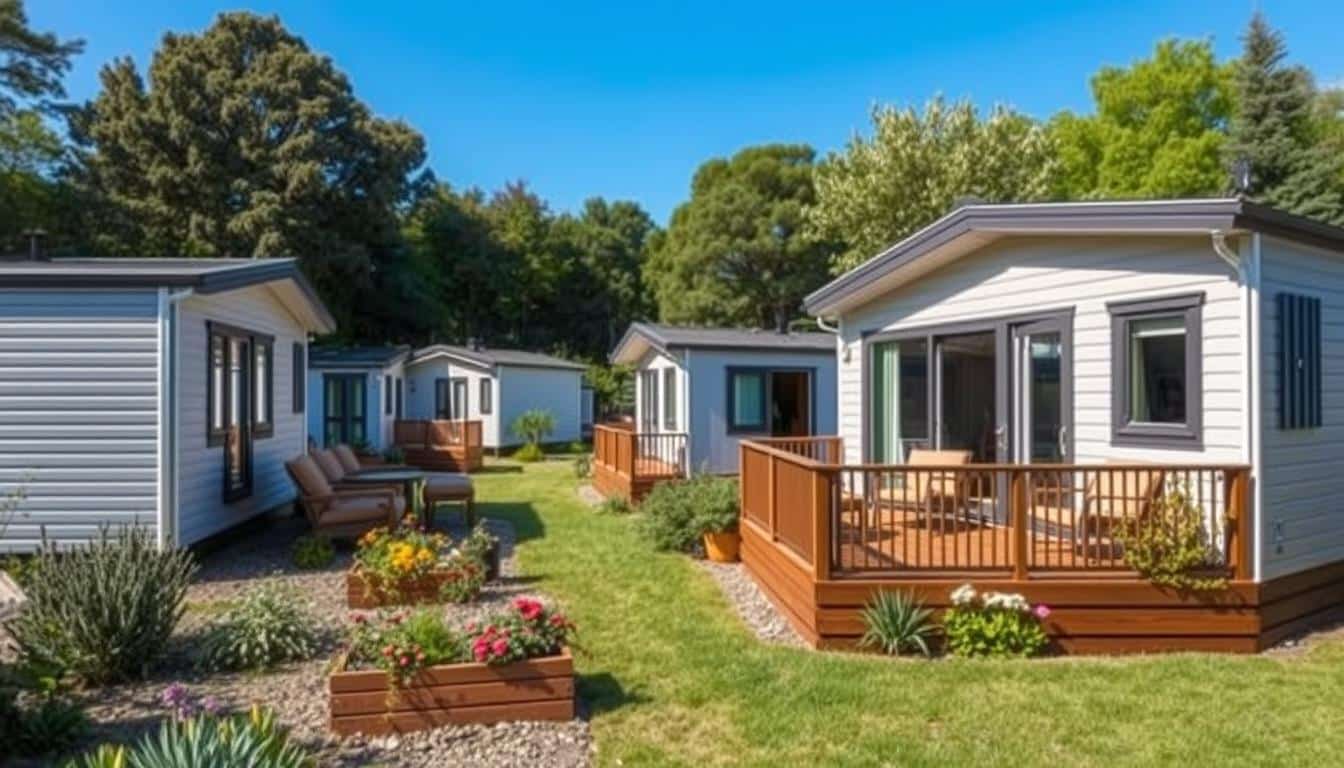
Portable buildings have become an increasingly popular solution for organisations looking for flexibility, efficiency, and value. Whether you’re using a portable cabin as a classroom, office, welfare unit, or construction site facility, keeping it in good condition is key to making the most of your investment.
If you’ve recently purchased a portable building or are browsing portable cabins for sale, it pays to understand the basics of proper care. Regular maintenance can significantly extend the life of your unit, helping you avoid unnecessary repair costs and ensuring your space remains comfortable, safe, and functional. There is more on this in Building Scalable Magento 2 Stores.
In this guide, we’ll walk you through the essential maintenance steps that can keep your portable building looking and performing at its best.
1. Schedule Regular Cleaning and Inspections
Although portable buildings are built for durability, they still need ongoing care. A simple cleaning routine can go a long way in protecting your unit from long-term wear.
Wash exterior walls with a mild detergent to remove dirt, grime, and algae. Keep windows and doors free from dust, and clean any signage or branding to maintain a professional appearance. Avoid using abrasive tools that could scratch or damage the surface.
Inspections are equally important. Look out for signs of wear and tear such as cracks, water stains, rust patches, or damage caused by storms or heavy use. Catching issues early allows you to make minor repairs before they develop into something more costly.
2. Keep the Roof Clear and Well Maintained
The roof of your portable cabin does a lot of heavy lifting, from keeping out the elements to supporting insulation and ventilation systems. Make sure it gets the attention it deserves.
Regularly check for pooling water, moss, or leaf build-up. These can trap moisture and weaken roofing materials over time. Clear any debris, especially after high winds or seasonal changes.
Also, inspect the roof seals, flashings, and edges for any signs of cracks or splitting. Even minor issues can lead to leaks if not addressed. Check internal ceilings too, and if you spot any damp patches or discolouration, investigate straight away.
3. Maintain Climate Control and Ventilation
A well-ventilated portable building is not only more comfortable for occupants but also better protected against condensation and mould.
If your unit has heating, cooling, or air conditioning systems, make sure they’re serviced regularly. Change filters as needed and keep vents clean. Poor airflow can lead to moisture problems that affect both the structure and the air quality.
For units without mechanical ventilation, you might want to install vents or extractor fans, particularly if the building is used by many people or contains heat-producing equipment.
4. Check the Foundation and Level the Building
Portable cabins are often placed on level ground or temporary foundations. Over time, shifts in the earth, drainage issues, or changes in load can affect the building’s alignment.
Check that your portable building remains level and supported evenly at all corners. Misalignment can lead to sticking doors, warped windows, or even cracks in walls and floors.
If you notice any signs that the foundation has moved, it’s best to get professional support. Adjustments to the support structure or re-levelling can restore balance and prevent further structural strain.
5. Inspect Doors and Windows
Well-fitted doors and windows are essential for keeping your building secure, energy-efficient, and weather-tight.
Examine seals and weather stripping for signs of wear, and replace anything that looks damaged. Small gaps can lead to draughts, increased heating bills, and water ingress.
Lubricate locks, hinges, and catches regularly to keep them moving freely. Also, make sure that doors and windows open and close smoothly, as stiffness or resistance can be an early warning sign of settling or shifting.
6. Stay on Top of Electrical and Plumbing Systems
If your portable cabin includes electrics or plumbing, these systems need regular attention to stay safe and compliant.
Test all sockets and switches, and look out for warning signs like flickering lights, buzzing sounds, or tripped circuit breakers. For plumbing, check for leaks, slow drainage, or water stains.
In colder months, insulating exposed pipes can prevent freezing and bursts. Any electrical or plumbing maintenance should be carried out by a licensed professional to avoid safety risks and ensure standards are met.
7. Protect Against Pests
Rodents, insects, and birds may find their way into portable buildings if access points are left unsealed.
Inspect the building for small holes, gaps around pipework, or damaged vents. Use sealant or mesh to block entry points, and install insect screens where appropriate.
Keep the area around your portable cabin tidy and free from rubbish or overgrown vegetation. If you do notice signs of pests, such as droppings or nesting materials, it’s best to contact a pest control service quickly to avoid further damage.
8. Preserve the Exterior Finish
The exterior finish of your portable building is not just about looks. It provides a vital barrier against the elements.
Check for peeling paint, cracked panels, or faded surfaces. Repainting or resealing your cabin helps protect the underlying materials from moisture, sunlight, and general wear. Choose weather-resistant coatings designed for the building’s surface materials.
Regular maintenance of the outer shell extends the life of your building and helps you present a professional image, especially if the cabin is used in a customer-facing setting.
9. Care for Flooring
Portable cabins are often high-traffic areas, so flooring can take a beating. Clean floors regularly using the correct products for the material – whether vinyl, carpet, or laminate.
Place mats at entrances to trap mud and moisture, and encourage people to wipe their feet. Promptly clean up any spills to avoid staining or water damage. Over time, keep an eye out for worn patches, warping, or loose tiles and replace them as needed.
10. Enhance Security
Security is a vital consideration, especially if your portable building contains valuable equipment, confidential files, or operates in a remote area.
Check that locks and doors are in good working order, and consider installing additional measures like security lights, alarms, or CCTV cameras. Reinforced windows or security grilles can add another layer of protection.
Keeping your portable cabin secure not only protects your contents but also prevents vandalism or unauthorised access.
Why Quality Matters
Even the best maintenance routine can only go so far if your portable building wasn’t well made to begin with. Investing in high-quality portable buildings ensures a stronger, more reliable structure from day one.
Durable materials, thoughtful design, and solid construction all contribute to lower maintenance costs over time. At GCS Group, we offer a wide range of portable cabins for sale that are built with longevity and practicality in mind.
Whether you need a temporary classroom, healthcare unit, or site office, our team can advise on the best solution and guide you through the buying process.
Long-Term Value Through Good Maintenance
Taking good care of your portable building is more than a checklist. It’s a practical way to extend its life, improve its performance, and protect your investment.
From regular inspections to proper ventilation, pest control, and secure fixtures, a little ongoing attention can go a long way. And when you pair good maintenance with a high-quality portable cabin, you’re setting yourself up for years of reliable use.
If you’re exploring portable cabins for sale or simply need advice on how to maintain your current unit, GCS Group is here to help. Our expert team can offer guidance, provide servicing information, and ensure your building continues to meet your needs.
Get in touch today to find out more about our range of portable buildings and how to keep yours in top shape.
If you want to know more about what Does Your Home Decor Style Say About You? then visit our Home Improvement category.