


Exploring the DDR5 RAM
DDR5 RAM is the newest generation of memory technology, starting at speeds of 4800MHz and reaching beyond 8400MHz, offering faster and more efficient performance compared to DDR4. It supports module capacities up to 128GB and operates at a lower voltage of 1.1V, which reduces power consumption.
DDR5 RAM features built-in error correction and advanced power management, including an on-module PMIC for enhanced stability. Compatible with Intel 12th Gen Alder Lake and AMD AM5 platforms, DDR5 improves gaming, content creation, and data-heavy tasks. Popular brands like Corsair and G.SKILL lead the market with modules that support high speeds and offer overclocking features.
| Basics | Details |
| DDR5 Base Speed | Starts at 4800MHz |
| Maximum Speed | Up to 8400MHz and beyond |
| Module Capacity | Up to 128GB per stick |
| Voltage | Operates at 1.1V |
| Power Management | Includes on-module PMIC |
| Response Time | Lower latency than DDR4 |
| ECC Support | Built-in error correction |
| Compatible CPUs | Intel 12th Gen Alder Lake, AMD AM5 |
| Motherboard Slots | Typically 4 DIMMs, up to 256GB total |
| Gaming Performance | Improves frame rates and load times |
| Content Creation | Enhanced for video editing and 3D work |
| AI/Data Science | Better handling of large datasets |
| Market Price Range | $60 to $300+ depending on capacity |
| Popular Brands | Corsair, G.SKILL, Kingston, Crucial |
| Overclocking Support | XMP 3.0 profiles enable 7000MHz+ speeds |
| Thermal Features | Heat spreaders, thermal sensors |
What Is DDR5 RAM?
DDR5 RAM is the latest generation of memory technology developed to replace DDR4. It offers significant improvements in speed, capacity, and efficiency. With base speeds starting at 4800MHz and scalable up to 8400MHz or higher, DDR5 is ideal for gaming, high-performance computing, and multitasking. This upgrade provides increased bandwidth, enabling more data to flow between memory and the CPU, resulting in improved overall performance for modern systems and software.
Advantages Over DDR4 Memory

Compared to DDR4, DDR5 provides double the bandwidth and significantly improved power efficiency. On-die ECC (error correction code) ensures better data integrity, particularly in critical computing tasks. DDR5 also increases memory chip density, allowing modules to offer up to 128GB per stick. This makes it ideal for data-intensive applications such as 3D rendering, virtualization, and high-end gaming. The architectural enhancements result in lower latency and improved multitasking capabilities. Elsewhere on the site, we look at Jerantut Mineral Microgrid Green Energy Applications.
Market Availability and Pricing
Current Market Trends
DDR5 RAM is now widely available, with major brands such as Corsair, G.SKILL, Kingston, and Crucial offering both consumer and professional-grade modules. Prices have dropped since the initial launch, now ranging from $60 for 16GB kits to over $300 for high-end 64GB or RGB modules. With ongoing production improvements and broader adoption, DDR5 is expected to become the new standard across gaming PCs, laptops, and workstations.
Brand Competition
Manufacturers are competing based on speed, latency, and aesthetics. G.SKILL’s Trident Z5 RGB modules, for instance, offer speeds up to 7200MHz with stylish heat spreaders. Corsair’s Dominator Platinum line focuses on high stability and overclocking.
Kingston Fury and TeamGroup Delta are also popular for value-focused buyers. Each brand strives to strike a balance between performance, power efficiency, and visual appeal, aiming to attract different segments of users in the rapidly growing DDR5 market.
Power Efficiency and Performance Gains

RAM operates at a lower voltage of 1.1V compared to DDR4’s 1.2V, helping reduce heat and power consumption. This slight drop enhances energy efficiency without compromising speed. It also includes a Power Management IC (PMIC) on each module, enabling more accurate voltage regulation.
This contributes to improved overclocking potential and enhanced performance stability, making DDR5 an ideal choice for enthusiasts and professionals seeking to maximize speed while maintaining energy-efficient operation.
Compatibility With Motherboards
DDR5 RAM requires a DDR5-compatible motherboard, typically those using Intel’s 12th Gen Alder Lake or newer AMD AM5 chipsets. It’s not backward compatible with DDR4 slots due to differences in pin configurations and voltage requirements. Always check your motherboard specifications before upgrading. Many high-end motherboards now support DDR5 with four DIMM slots, offering up to 256GB of total system memory. BIOS updates may also be required to ensure full compatibility and stability.
Key Features
- Increased bandwidth: Starts at 4800MHz, reaching beyond 8400MHz for peak speed
- Higher capacity: Up to 128GB per module, ideal for heavy applications
- Improved latency: Efficient data handling and faster processing times
- ECC support: Built-in error correction improves stability
- Power savings: 1.1V operation with PMIC for better energy control
- Future-proofing: Built for next-gen CPUs and intensive workloads
Applications
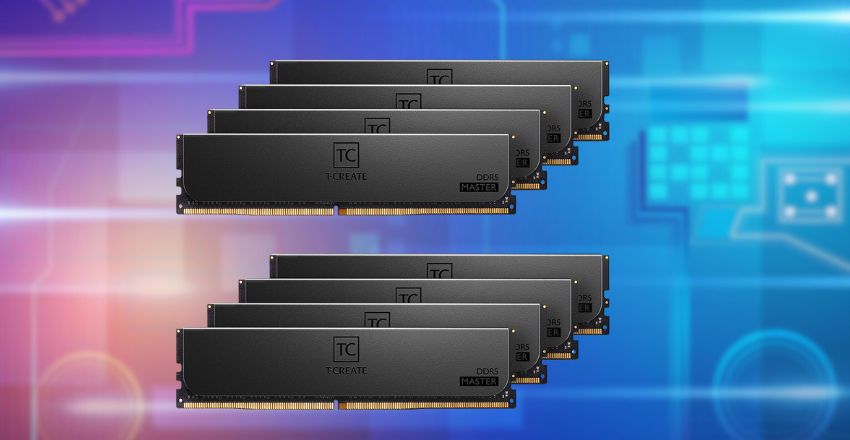
- Gaming: Enhanced frame rates, smoother gameplay, and faster load times
- Content creation: Ideal for video editing, 3D modeling, and rendering tasks
- AI & Data Science: Handles large datasets and AI training more efficiently
- Servers and enterprise use: Higher density and ECC make it ideal for critical workloads
- Virtual machines: Support multiple OS environments on one machine
- Streaming setups: Better multitasking while broadcasting and gaming simultaneously
Overclocking and Thermal Design
Overclocking Potential
DDR5 RAM offers excellent overclocking headroom, especially with support from XMP 3.0 profiles in modern BIOS setups. Many users can boost their modules from a base of 5,600MHz to 7,000MHz or higher with proper cooling. Voltage management through onboard PMIC ensures precise control, reducing instability. Enthusiasts with good airflow and heatsinks can further enhance performance, especially when paired with compatible chipsets like Intel Z690 or AMD X670 motherboards.
Thermal Management
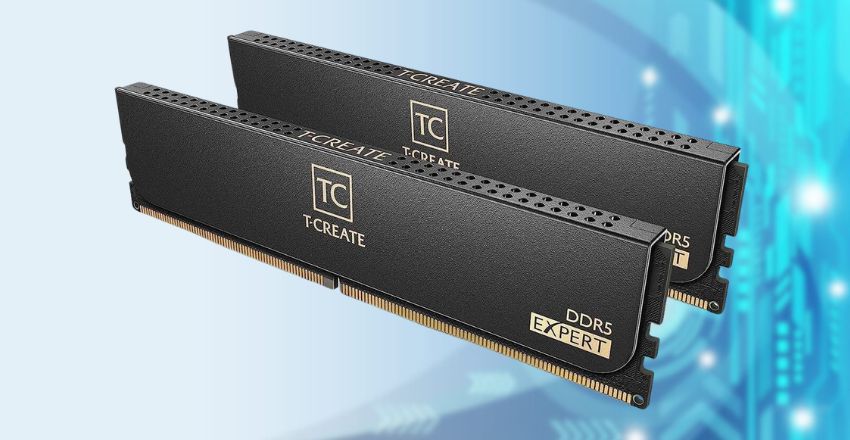
Thermal design is critical in DDR5 modules, as higher speeds produce more heat. Manufacturers include aluminum heat spreaders and thermal sensors to monitor and regulate temperature. Some advanced kits use copper layering and intelligent temperature control to prevent throttling. Proper airflow within the case is essential, especially for gaming rigs and rendering stations. Thermal stability ensures your DDR5 maintains high performance under long-term stress and continuous load.
Conclusion
DDR5 RAM offers faster speeds, higher capacity, and improved power efficiency compared to DDR4. It supports gaming, content creation, and AI tasks with enhanced stability thanks to built-in error correction. Compatible with the latest Intel and AMD CPUs, DDR5 is ideal for future-proof systems. Its growing availability and performance benefits make it a top choice for users seeking reliable, high-performance memory for demanding applications and multitasking.
Want to know about Specs for Short Riders: Adjusting Fit Without Compromising Safety Check out our Tech category.
FAQs
RAM starts at 4800MHz and can exceed 8400MHz, providing significantly faster data transfer rates than previous generations, enhancing overall system performance.
DDR5 requires motherboards designed for DDR5, such as Intel’s 12th Gen Alder Lake or AMD AM5 platforms. DDR4 slots are not compatible.
RAM enhances gaming by increasing frame rates, reducing load times, and supporting faster multitasking for smoother gameplay experiences.
DDR5 operates at 1.1V, which is lower than DDR4’s 1.2V, thereby reducing power consumption and heat, and improving energy efficiency without compromising speed or stability.
DDR5 supports overclocking, especially with XMP 3.0 profiles, allowing speeds beyond 7,000 MHz, with improved voltage regulation through onboard power management.