

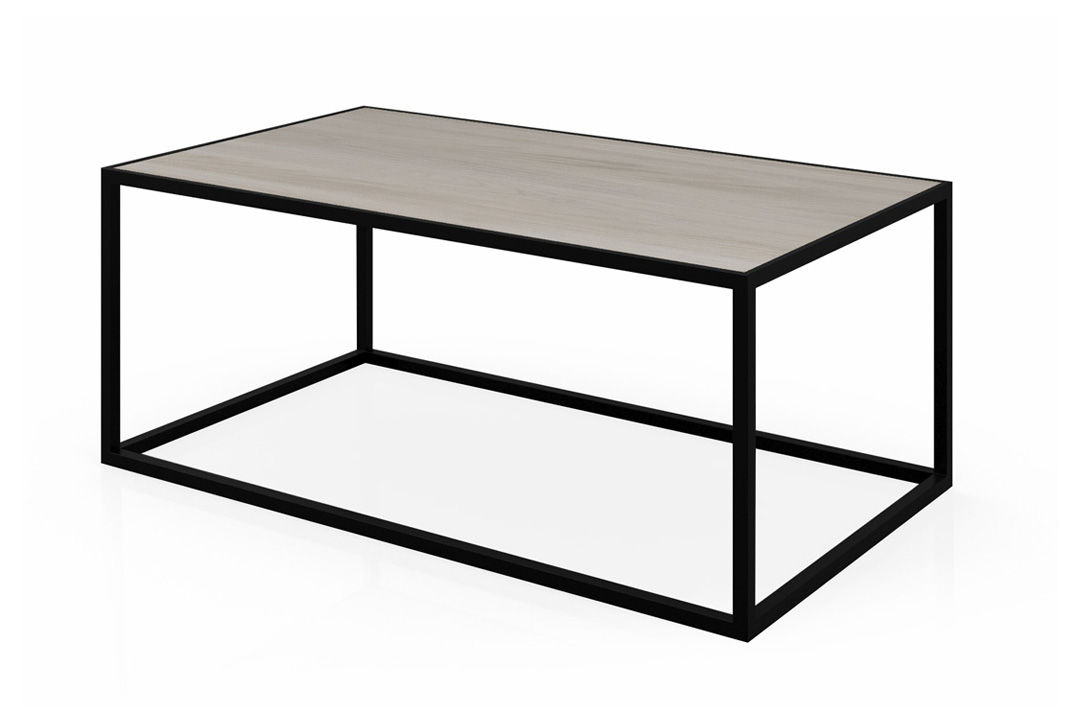
Coffee table prices range from £75 to over £2,000 due to material quality, construction methods, labour input, and design complexity, with solid wood tables requiring 20–40 hours of production time and hardwood material costs exceeding £800 per cubic metre.
Coffee tables are not simple objects.
A coffee table combines structural engineering, material sourcing, and finishing processes that directly impact durability, aesthetics, and lifespan. Price reflects these combined factors rather than surface appearance alone.
What is a typical price range for a coffee table?
Coffee table price range spans £75 to £2,000+, with budget tables using engineered wood, mid-range tables (£200–£600) offering solid construction, and premium tables exceeding £1,000 using hardwood, stone, or bespoke craftsmanship.
Price tiers reflect build quality.
Lower-cost tables use particleboard or veneer. Mid-range tables often include solid wood frames and better joinery. Premium pieces include handcrafted elements, thicker materials, and unique design features.
Why are solid wood coffee tables more expensive?
Solid wood coffee tables cost more because hardwood materials such as oak or walnut require longer growth cycles of 40–80 years, higher material density, and skilled joinery processes that increase labour time and production cost.
Material drives value.
Hardwoods provide strength, durability, and longevity compared to engineered alternatives. According to wood classification standards, density and grain structure directly influence durability and finish quality.
Solid wood also allows refinishing, extending lifespan significantly.
How does construction quality affect coffee table price?
Coffee table construction quality affects price through joinery methods, structural stability, and load-bearing capacity, with traditional joints such as mortise and tenon increasing labour time by 30–50 percent compared to basic dowel construction.
Construction determines lifespan.
Poorly constructed tables loosen over time. High-quality joinery maintains structural integrity under daily use, including weight loads of 20–50 kg from books, decor, and usage.
Well-built tables resist wobbling and surface warping.
How much labour goes into making a coffee table?
Coffee table production requires 10–40 hours of labour depending on complexity, including cutting, assembly, sanding, finishing, and quality inspection, with handcrafted pieces requiring significantly more manual input than mass-produced items.
Labour increases cost.
Hand-finishing processes such as sanding and oiling require multiple stages. Each stage adds time and improves surface durability and appearance.
Bespoke designs can exceed 60 hours depending on detailing.
Do design and aesthetics increase the price of coffee tables?
Coffee table design increases price through unique shapes, curved edges, and stylistic detailing, with complex designs requiring additional tooling, precision cutting, and finishing processes that raise production costs.
Design adds complexity.
Curved or sculptural tables require specialised machinery or hand shaping. Minimalist designs often require tighter tolerances, increasing manufacturing precision.
Design value also includes brand positioning and perceived exclusivity.
What materials make coffee tables the most expensive?
High-end coffee table materials include marble, rare hardwoods, and metal alloys, with marble slabs weighing 40–80 kg and requiring specialized cutting and finishing processes that significantly increase cost.
Material rarity drives pricing.
Marble originates from metamorphic rock formation, making each slab unique. Rare woods such as bulls or reclaimed timber also increase cost due to limited supply.
Heavier materials also increase transport and handling costs.
How long should a good coffee table last?
A high-quality coffee table should last 10–20 years or longer, with solid wood and properly constructed tables capable of lasting decades when maintained correctly.
Longevity defines value.
A £400 table lasting 15 years costs approximately £27 per year. A £100 table, replaced every two years costs £50 per year, making cheaper options more expensive over time.
Durability depends on material, finish, and usage conditions.
Are expensive coffee tables worth the investment?
Expensive coffee tables are worth the investment when material quality, construction integrity, and long-term durability align, providing extended lifespan and consistent performance compared to lower-cost alternatives.
Value depends on use.
High-traffic living rooms benefit from durable materials. Occasional-use spaces may not justify higher cost. Investment should align with usage frequency and expected lifespan.
How can you choose a coffee table that offers good value?
Choosing a high-value coffee table requires evaluating material quality, joinery type, stability, and finish durability rather than focusing solely on price or appearance.
Use this checklist.
- Check material type, solid wood vs engineered
- Inspect joinery and construction methods
- Test stability and weight distribution
- Assess surface finish durability
- Consider long-term usage and wear
This process identifies true value beyond branding.
Where can you explore well-built coffee table options?
Quality coffee table collections include designs that balance material, construction, and proportion to deliver durability and aesthetic consistency across living spaces.
Explore curated furniture options here: https://petalwoodinteriors.co.uk/collections
Consistent materials such as solid wood help maintain long-term value and cohesive interior design.
Final takeaway: why are coffee tables expensive?
Coffee tables are expensive because material quality, construction methods, labour time, and design complexity combine to determine cost, with higher-priced tables delivering greater durability, stability, and long-term value.
Price reflects build quality.
A well-made table lasts years.