
In today’s world of energy-saving technologies, LED light has become the go-to choice for homeowners, businesses, and industries alike. Whether you’re replacing old bulbs or upgrading your entire lighting system, LEDs offer a blend of performance, efficiency, and versatility that traditional lighting simply can’t match. This guide explores what makes LED lighting so transformative, how it works, and why you should consider switching.
What Are LED Lights?
LED stands for Light Emitting Diode. Unlike incandescent or fluorescent bulbs, LEDs don’t rely on heating a filament or producing light via gas excitation. Instead, they produce light through the movement of electrons in a semiconductor material. This method is highly efficient, generating more light with less energy and releasing very little heat in the process.
Why LEDs Are Superior
There are several compelling reasons why LEDs have overtaken traditional lighting options:
1. Energy Efficiency
LED lights consume significantly less energy than incandescent and fluorescent bulbs. In fact, an LED can use up to 80% less power than a traditional bulb while delivering the same amount of light. This translates to lower electricity bills, which is especially important in large-scale or commercial settings.
2. Long Lifespan
One of the biggest advantages of LED lighting is its lifespan. A typical LED bulb can last 25,000 to 50,000 hours or more, compared to around 1,000 hours for an incandescent bulb. This means fewer replacements and less maintenance over time.
3. Durability
LEDs are solid-state lights, which makes them more durable and resistant to shock, vibration, and external impacts. This quality makes them ideal for outdoor lighting and locations where bulbs might be exposed to harsh conditions.
4. Better for the Environment
Since LEDs consume less energy and last longer, they contribute to reduced carbon emissions and less waste. Additionally, unlike fluorescent lights, LEDs don’t contain mercury, making them safer to dispose of and better for the environment overall.
Versatile Applications of LED Lights
LED lighting is not just for general home use. Its versatility has opened up a wide range of applications:
• Home Lighting
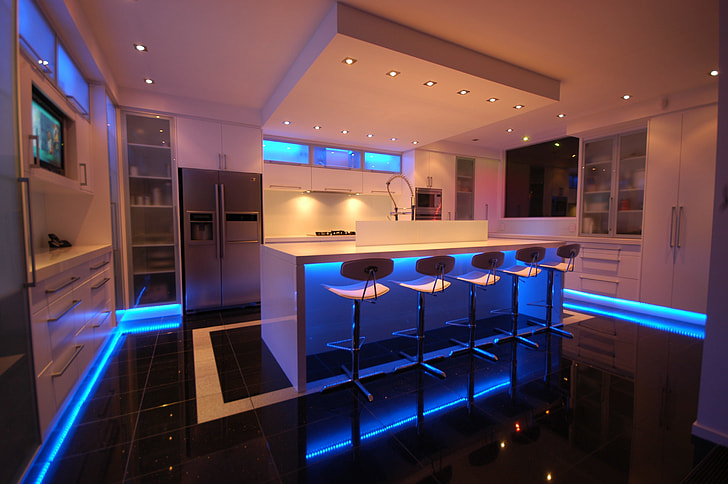
From living rooms and kitchens to bedrooms and hallways, LED bulbs come in a variety of shapes, sizes, and color temperatures to suit every space and design style.
• Outdoor and Security Lighting
Weather-resistant LED options provide bright, reliable light for gardens, driveways, and security fixtures.
• Commercial and Industrial Use
Warehouses, offices, and retail stores benefit from LED lighting due to its energy savings, bright illumination, and long lifespan.
• Smart Lighting Systems
Many LED lights now come with smart controls, allowing users to adjust brightness, color, and timing through mobile apps or voice commands.
Choosing the Right LED Lights
When selecting LED lights, consider these key factors:
Color Temperature
Measured in Kelvins (K), color temperature determines how warm or cool the light appears.
- Warm White (2700K–3000K) – cozy and relaxed lighting for living spaces.
- Neutral White (3500K–4100K) – balanced lighting ideal for kitchens or offices.
- Cool White (5000K+) – crisp, bright lighting for task-oriented areas.
Lumens, Not Watts
With LEDs, brightness is measured in lumens, not watts. Higher lumens mean brighter light, while watts only indicate energy use.
Dimmability
If you plan to use dimmers, make sure your LED bulbs are compatible with your dimming systems to avoid flickering or reduced bulb life.
Where to Find Quality LED Lights
Finding good quality LEDs at a fair price can make all the difference in performance and longevity. A reliable place to explore a wide range of LED products is https://leduastore.com/. They offer durable options with clear specifications, helping you choose the best fit for your needs.
The Future of Lighting Is LED
As technology continues to evolve, LED lighting is becoming more efficient, smarter, and more affordable. From everyday home use to cutting-edge smart lighting installations, LEDs are shaping how we illuminate our world. Switching to LED lights isn’t just a trend — it’s a smart investment that saves money, enhances comfort, and supports environmental sustainability.
Final Thoughts
Whether you’re upgrading your home, improving your workspace, or planning a large-scale lighting project, LED lights offer unmatched benefits in energy efficiency, durability, and performance. By understanding what to look for and where to source quality products, you can enjoy bright, dependable lighting that lasts for years.