

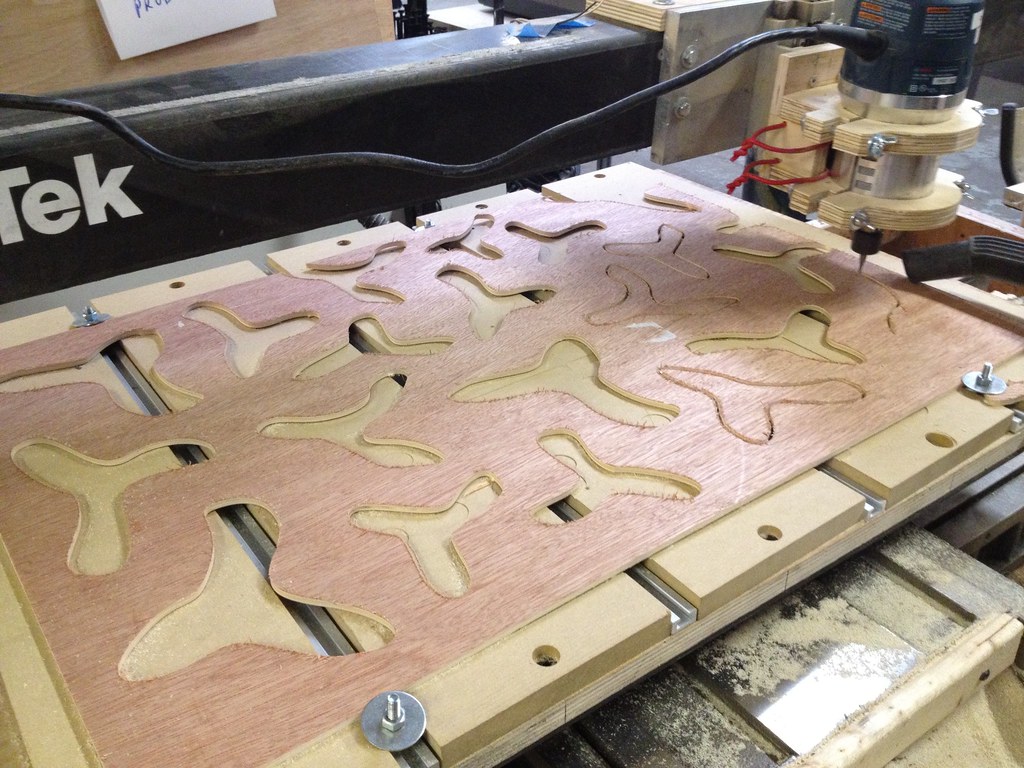
Woodworking has come a long way from traditional hand tools and manual labor. Today, CNC wood cutting is transforming the industry, offering precision, speed, and design possibilities that were unimaginable just a few decades ago. Whether you’re a professional carpenter, furniture designer, or hobbyist, CNC technology has opened new doors for creativity and efficiency. In this article, we’ll dive into what CNC wood cutting is, how it works, its advantages, and how it’s shaping the future of woodworking.
What is CNC Wood Cutting?
CNC stands for Computer Numerical Control. In CNC wood cutting, a computer controls the movement of cutting tools based on a pre-programmed design. Instead of manually guiding a saw or router, operators feed a digital design into the CNC machine, and the machine automatically cuts, carves, or engraves the wood with extreme precision.
The designs are usually created using CAD (Computer-Aided Design) software, then converted into machine-readable code (often G-code) that directs the machine’s actions. CNC machines can cut intricate shapes, drill holes, create patterns, and even produce three-dimensional carvings with minimal human intervention.
How CNC Wood Cutting Works
The basic steps involved in CNC wood cutting include:
- Designing the Project: The user creates a digital design using CAD software.
- Converting to G-Code: The CAD file is translated into G-code, a language that CNC machines understand.
- Setting Up the Machine: The wood material is securely placed on the machine’s bed.
- Executing the Cut: The CNC machine follows the programmed instructions to cut, engrave, or carve the wood.
- After the cutting is complete, the piece may require sanding, staining, or other finishing touches.
Modern CNC routers and cutting machines come with advanced features like multi-axis movement, tool-changing capabilities, and vacuum beds for holding materials firmly during operation.
Advantages of CNC Wood Cutting
CNC wood cutting brings numerous benefits to the woodworking industry:
1. High Precision and Consistency
One of the main advantages of CNC wood cutting is its incredible accuracy. The machine can cut detailed designs to the exact specifications every single time, ensuring consistent quality across multiple pieces. This is especially important for businesses that produce parts or furniture on a scale.
2. Increased Efficiency
Manual woodworking takes time and skill. CNC machines dramatically reduce production time, allowing businesses to complete more projects in less time without sacrificing quality.
3. Complex Designs Made Simple
CNC wood cutting makes it possible to create intricate patterns, curves, and three-dimensional shapes that would be nearly impossible or extremely time-consuming by hand.
4. Cost-Effective
While the initial investment in a CNC machine can be high, the long-term cost savings are significant. Reduced labor costs, lower material waste, and faster production all contribute to a solid return on investment.
5. Flexibility and Versatility
CNC machines can work with various types of wood, from softwoods like pine to hardwoods like oak and maple. They can also switch between different tools and operations with minimal downtime, increasing versatility.
Applications of CNC Wood Cutting
CNC wood cutting is used in a wide range of industries and creative fields:
- Furniture Manufacturing: Producing chairs, tables, cabinets, and decorative panels.
- Architectural Millwork: Creating custom moldings, trims, and doors.
- Sign Making: Crafting detailed wooden signs with logos or intricate lettering.
- Art and Sculptures: Carving artistic pieces and 3D reliefs.
- Boat and RV Building: Cutting components that require precision fits.
- Musical Instruments: Making precise cuts for guitars, violins, and other instruments.
Choosing the Right CNC Machine for Wood Cutting
When selecting a CNC machine for wood projects, several factors must be considered:
- Machine Size: Ensure the machine bed can accommodate the largest pieces you plan to work on.
- Spindle Power: Higher horsepower spindles can cut thicker and harder woods.
- Software Compatibility: Choose a machine that supports popular CAD/CAM software.
- Ease of Use: Look for machines with intuitive controls, especially if you’re new to CNC.
- Support and Warranty: opt for reputable manufacturers that offer training, support, and warranties.
Popular CNC brands include Bieses, Shop Bot, Laguna Tools, and AXYZ, each offering models tailored to different needs and budgets.
The Future of CNC Wood Cutting
The future of CNC wood cutting is bright, with emerging technologies such as artificial intelligence (AI), machine learning, and robotics further enhancing automation and precision. Smart CNC machines are being developed to automatically detect errors, optimize cutting paths, and even adjust for material inconsistencies.
Customization is another trend, where CNC technology allows businesses to offer personalized designs at mass-production prices. Additionally, as sustainability becomes more important, CNC’s ability to reduce waste will make it even more attractive to eco-conscious companies and consumers.
Conclusion
CNC wood cutting represents a revolutionary leap forward in woodworking. By blending traditional craftsmanship with advanced technology, CNC machines allow for greater precision, creativity, and productivity than ever before. Whether you’re a hobbyist dreaming of intricate carvings or a manufacturer aiming for high-volume production, CNC wood cutting offers endless possibilities. As technology continues to evolve, it’s clear that CNC will remain at the heart of modern woodworking for years to come.
If you want to know more about Feature Walls: Creative Ideas to Transform Your Space, then visit our Home Improvement category.