

Buying a flat or apartment often involves different types of property ownership structures. One term that frequently appears in property listings is a share of freehold. Many buyers are unsure what it means and how it affects their rights as property owners. Understanding this concept is important because it can influence property value, management control, and long-term financial responsibilities.
In simple terms, the share of freehold meaning the owners of flats in a building collectively own the freehold of the property while still holding individual leases for their apartments. This ownership structure gives residents greater control over how the building is managed compared with traditional leasehold arrangements.
This guide explains how share of freehold works, its benefits, the legal responsibilities involved, and how it differs from leasehold ownership.
Share of Freehold vs Leasehold: Key Differences
| Aspect | Explanation |
|---|---|
| Share of Freehold Meaning | Flat owners jointly own the building’s freehold. |
| Leasehold Meaning | Buyers own the flat but not the land. |
| Ownership Structure | Residents share ownership of the freehold. |
| Land Ownership | Land is owned by a landlord. |
| Management Control | Owners manage the building together. |
| Decision Making | Residents decide on repairs and changes. |
| Ground Rent | Usually, none or very low. |
| Ground Rent in Leasehold | Annual payment to the freeholder. |
| Lease Extensions | Usually easier and cheaper. |
| Lease Extension Costs | Often expensive in a leasehold. |
| Property Value Stability | Often maintains better value. |
| Lease Length Impact | Value drops if the lease is short. |
| Maintenance Responsibility | Owners share maintenance duties. |
| Service Charges | Owners contribute to shared costs. |
| Management Company | Sometimes managed by owners’ company. |
| External Management | Sometimes managed by the owners’ company. |
| Building Insurance | Owners arrange insurance together. |
| Lease Agreement | Flats still have lease contracts. |
| Resident Control | Owners have more property control. |
| Legal Responsibilities | Owners share legal duties. |
| Investment Appeal | Often attractive to buyers. |
| Community Cooperation | Owners must work together. |
| Potential Disputes | Conflicts may occur between owners. |
| Long-Term Benefits | Can reduce costs over time. |
| Buyer Consideration | Review lease and management details. |
What Does The Share Of Freehold Meaning?
A share of freehold property means that several flat owners jointly own the freehold title of the building and the land on which it stands. At the same time, each owner still holds a lease for their individual flat.
For example, if a building contains five apartments, each owner may hold one-fifth of the freehold interest. This shared ownership allows residents to participate in decisions about the building’s management, maintenance, and financial planning.
Key Features of Share of Freehold
- Owners share ownership of the building’s freehold.
- Each flat owner still holds a lease for their unit.
- Residents collectively make decisions about property management.
- Ground rent is usually minimal or eliminated.
Because the residents themselves own the freehold, they do not rely on an external landlord to manage the building.
How Share of Freehold Ownership Works?

Understanding how this system operates can help buyers determine whether it is the right option for them.
Dual Ownership Structure
Share of freehold involves two types of ownership. First, each resident owns a leasehold interest in their apartment, which entitles them to occupy the property. Second, they hold a share of the freehold, which represents partial ownership of the entire building and land.
This combination gives residents both personal ownership and collective authority over the property.
Management Through a Company

In many buildings, the freehold is owned by a management company formed by the flat owners. Each owner becomes a shareholder in that company and may also serve as a director.
The company usually handles tasks such as:
- Managing service charges
- Organizing building maintenance
- Arranging insurance coverage
- Keeping financial records
This structure helps ensure that decisions are made fairly and transparently
Direct Shared Ownership
In smaller properties, owners may hold the freehold directly without forming a company. In such cases, each owner has a defined percentage of the freehold and shares responsibility for property management. Although this arrangement is simpler, it still requires residents’ cooperation to manage maintenance and expenses.
Shared Decision-Making
Because residents collectively own the building, they must work together when making important decisions. These decisions may involve:
- Structural repairs
- Renovations or improvements
- Service charge budgets
- Maintenance schedules
This collaborative approach ensures that all owners have a voice in how the property is managed.
Advantages of Share of Freehold
Many property buyers prefer share of freehold arrangements because they offer several benefits compared with traditional leasehold ownership.
Greater Control Over Management
One of the main advantages is residents’ ability to control how their building is managed. Instead of relying on a landlord or property management company, owners can make decisions about repairs, service charges, and contractors. This often leads to more transparent and efficient management.
Easier Lease Extensions
In many leasehold properties, extending a lease can be expensive and complicated. Freehold owners can usually extend their leases more easily because they collectively control the freehold. This helps maintain the property’s long-term value.
Potential for Higher Property Value
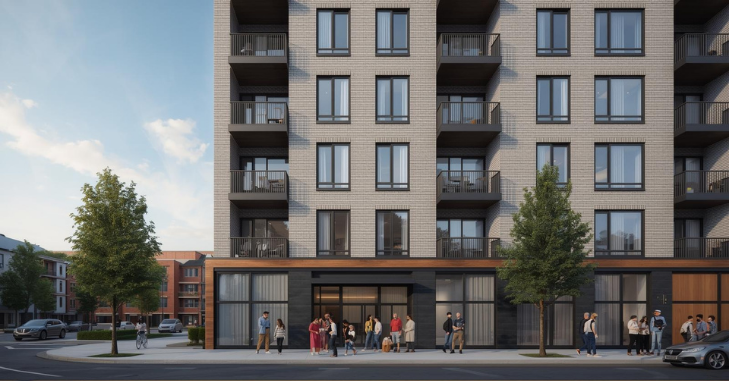
Flats with a share of freehold status are often attractive to buyers because they provide more control and fewer landlord restrictions. As a result, these properties may hold their value better and sometimes sell at higher prices.
Reduced or No Ground Rent
Since the residents collectively own the freehold, there is usually no external landlord collecting ground rent. This can reduce ongoing housing costs.
Better Maintenance Standards
Owners who live in the building typically care about maintaining its condition. This often results in better maintenance, quicker repairs, and improved living environments.
Legal Responsibilities of Share of Freehold Owners

While the share of freehold offers many benefits, it also involves certain legal and administrative responsibilities.
Property Maintenance
Owners must work together to maintain shared parts of the building. These responsibilities may include roof repairs, exterior painting, plumbing systems, and structural maintenance. Regular upkeep protects the property’s value and ensures the building remains safe for residents.
Building Insurance
Freehold owners must arrange insurance coverage for the entire building. Each resident contributes to the cost through service charges or shared payments. Insurance protects the property from potential risks such as fire, flooding, or structural damage.
Following Lease Agreements
Even though owners share the freehold, the lease agreements for individual flats still apply. Residents must follow the rules outlined in the lease, which may include restrictions on alterations, noise levels, or subletting. These rules help maintain order and fairness among residents.
Administrative Responsibilities
If the freehold is managed through a company, directors may need to perform administrative tasks, such as financial reporting, recordkeeping, and meeting organization. These responsibilities help ensure the property is managed efficiently and transparently.
Share of Freehold vs Leasehold: Key Differences
Understanding the differences between freehold and leasehold ownership can help buyers evaluate property options more effectively.
| Feature | Share of Freehold | Leasehold |
| Ownership | Residents jointly own the freehold | Freehold owned by a landlord |
| Management | Controlled by residents | Managed by landlord or agent |
| Ground Rent | Often none | Usually required |
| Lease Extensions | Easier and cheaper | Often expensive |
| Property Value | Often more stable | May decrease with short lease |
| Decision Making | Shared among owners | Controlled by the landlord |
These differences explain why many buyers consider the share of freehold properties more desirable.
Tips for Buying a Share of Freehold Property
Before purchasing a share of freehold property, buyers should conduct careful research.
- Review the lease agreement thoroughly.
- Understand how decisions are made among owners.
- Check service charge records and maintenance history.
- Look for any planned major repairs.
- Seek advice from a qualified property solicitor.
Taking these steps helps ensure that the investment is financially sound and legally secure.
Conclusion
Understanding the meaning of the share of freehold is important for anyone planning to buy a flat. In this ownership model, residents jointly own the building’s freehold while keeping individual leases for their apartments.
Compared with standard leasehold properties, a share of freehold can offer more control over building management, lower ongoing costs, and better long-term property value. However, it also requires cooperation among owners and shared responsibility for maintenance.
For many buyers, this combination of control and financial benefits makes a share of freehold an attractive property ownership option.
Want to know about Estate Agent Fees UK: How Much Should You Pay? Complete Guide to Average Rates, Sole vs Multiple Agency Fees & Hidden Costs Check out our Real Estate category.
Frequently Asked Questions (FAQs)
It means flat owners jointly own the building’s freehold while keeping individual leases for their apartments.
It often provides more control and fewer landlord costs, but owners must share management duties.
Yes. Each flat usually still has a lease that outlines rules and responsibilities.
In most cases, ground rent is reduced or removed because residents own the freehold.
Yes. Lease extensions are generally easier and less expensive.
The flat owners manage it themselves or through a management company.