


Shamima Begum movies, documentaries, and podcast interviews have kept her name at the center of global headlines for nearly a decade. From a teenage schoolgirl in East London to one of the most controversial figures linked to ISIS, her story has unfolded across courtrooms, refugee camps, and television screens worldwide.
Her journey, marked by radicalization, marriage in Syria, the loss of British citizenship, and ongoing legal appeals, has not only fueled intense political debate but also inspired investigative films and in-depth media analysis.
As public opinion remains sharply divided, her case continues to raise urgent questions about national security, human rights, and the responsibilities of modern governments in an era shaped by extremism and digital recruitment.
| Category | Summary Overview |
| Full Name | Shamima Begum |
| Date of Birth | August 25, 1999 |
| Place of Birth | London, England |
| Early Life | Raised in Bethnal Green, East London, in a Bangladeshi immigrant family, I attended Bethnal Green Academy (now Mulberry Academy Shoreditch). |
| Departure to Syria | Left the UK in February 2015 at age 15 with two school friends; traveled via Turkey to Raqqa, Syria. |
| Life Under ISIS | Lived in ISIS-controlled territory; married Dutch fighter Yago Riedijk; resided mainly in Raqqa. |
| Marriage | Married Yago Riedijk shortly after arrival in Syria; he had traveled to Syria in 2014. |
| Children | Had three children (two boys and one girl), all of whom died in Syria due to illness or malnutrition. |
| Citizenship Status | British citizenship was revoked in 2019 on national security grounds. |
| Legal Battles | Filed multiple appeals; UK Supreme Court (2021) ruled she could not return to the UK for an in-person appeal; Court of Appeal upheld revocation in 2023. |
| Media Coverage | Subject of documentaries, investigative reports, and what are commonly searched as “Shamima Begum movies.” |
| Podcast & Interviews | Participated in interviews from Syrian camps discussing her decision, regret, and legal fight. |
| Public Debate | The case sparked national debate on extremism, human rights, statelessness, and counterterrorism laws. |
| Current Status | Remains in a detention camp in northern Syria. |
Early Life and Background
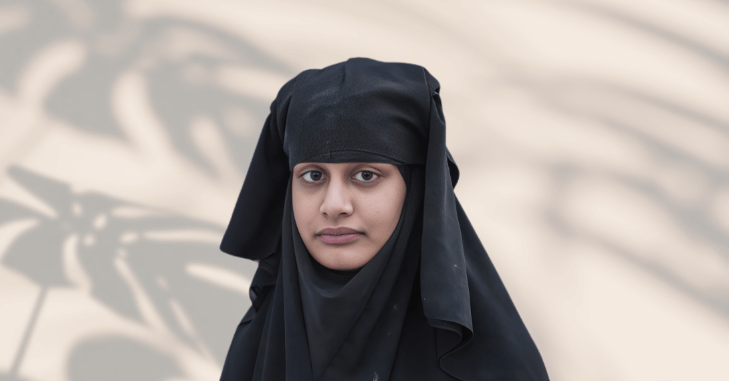
Shamima Begum was born on August 25, 1999, in London to Bangladeshi immigrant parents. She was raised in Bethnal Green, East London, an area known for its diverse, multicultural community.
Key Details About Her Early Years:
- Birth: Born on August 25, 1999, in London, England
- Family Background: Daughter of Bangladeshi immigrant parents
- Upbringing: Raised in Bethnal Green, East London
- Education: Attended Bethnal Green Academy (now known as Mulberry Academy Shoreditch)
- Environment: Grew up in a multicultural urban community
Radicalization and Departure
- Radicalization: At age 15, while still a schoolgirl, she was influenced to leave the UK
- Friends Involved: Traveled with classmates Amira Abase and Kadiza Sultana
- Departure Date: February 2015
- Route Taken: Flew to Turkey before crossing into Syria
- Destination: Traveled to Raqqa, which was then the capital of ISIS’s self-declared caliphate
Journey to Syria and Life Under ISIS
After traveling to Syria in 2015 at the age of 15, Shamima Begum reportedly married Dutch ISIS fighter Yago Redick shortly after her arrival. She lived in Raqqa and other ISIS-controlled territories during the height of the group’s self-declared caliphate, experiencing life under its strict regime.
During her time in Syria, she gave birth to three children, all of whom later died in infancy due to illness and harsh camp conditions. Her case returned to international attention in 2019 when she was discovered in the Al-Howl refugee camp in northern Syria following the territorial collapse of ISIS, reigniting debate in the United Kingdom over national security, citizenship, and human rights.
Marriage and Husband

- Husband: Yago Riedijk
- Nationality: Dutch
- Background: Dutch-born ISIS fighter who converted to Islam and traveled to Syria in 2014
- Marriage Timing: The marriage reportedly took place within approximately ten days of Begum’s arrival in ISIS-controlled territory
- Age Difference: Riedijk was significantly older than Begum at the time of marriage
- Claims by Riedijk: He later stated that he had been imprisoned and tortured by ISIS on suspicion of being a Dutch spy
Children
- Begum had three children with Riedijk
- Two boys and one girl
- All three children died due to illness or malnutrition while in Syria
Current Status
- As of early 2024, Begum remains in a detention camp in northern Syria after being stripped of her British citizenship
- Riedijk has faced potential prosecution in the Netherlands over alleged involvement with ISIS
Marriage has sparked significant debate in the UK, raising concerns about child exploitation, coercion, radicalization, and grooming.
The UK Citizenship Controversy
In 2019, then UK Home Secretary Sajid Javid revoked Begum’s British citizenship on national security grounds.
- She posed a security risk
- She was eligible for Bangladeshi citizenship through her parents
- The decision was necessary to protect public safety
Legal Developments
- Citizenship revoked in 2019
- Appeals filed in UK courts
- Ongoing debate over statelessness
- The case reached the UK Supreme Court
In 2021, the UK Supreme Court ruled she could not return to the UK to fight her citizenship case in person due to security concerns.
Shamima Begum Movies

While there are no major fictional feature films solely based on her life, the term Shamima Begum movies is commonly used to describe the wide range of documentaries and investigative programs that explore her story. Her case has attracted significant media attention, leading to detailed television specials and streaming documentaries focusing on her journey, legal battles, and the wider issue of radicalization among young people.
Coverage by Major Broadcasters
Several leading media organizations have examined her case in depth. Broadcasters such as the BBC and ITV have produced investigative documentaries and special reports analyzing her departure to Syria, life under ISIS, and subsequent citizenship controversy. International news networks have also aired in-depth features discussing the legal and political consequences of her case.
Streaming Documentaries and Global Attention
In addition to traditional television coverage, streaming platforms have featured documentaries that examine ISIS recruitment strategies and the experiences of foreign nationals who traveled to Syria. These productions often place Begum’s story within a broader global context, highlighting the rise and fall of ISIS and the challenges governments face in handling returning recruits.
Key Themes Explored in Media Portrayals
Shamima Begum movies and documentaries commonly focus on several central themes. These include her teenage radicalization, conditions inside ISIS-controlled territory, and interviews conducted with her in Syrian detention camps. They also examine the political and legal implications of her British citizenship removal, as well as ongoing debates about national security and human rights.
Differing Perspectives in Documentaries
Media portrayals vary significantly in tone and interpretation. Some documentaries present her as a vulnerable minor who may have been groomed or manipulated, while others stress accountability, personal responsibility, and the risks associated with extremism.
Media Representation and Documentary Coverage
The story of Shamima Begum has been widely explored in documentaries, investigative reports, and media interviews, often referred to online as “Shamima Begum movies.” These productions focus on her journey from East London schoolgirl to her life inside ISIS-controlled territory in Syria, as well as the legal and political consequences that followed.
Broadcasters such as the BBC, ITV, and international streaming platforms have produced detailed analyses that examine radicalization, recruitment of young people, and the challenges faced by governments dealing with returning foreign fighters. Many documentaries also include interviews recorded in Syrian detention camps, where Begum discusses her decisions, regrets, and ongoing legal battles.
Podcast Interviews and Media Appearances
In recent years, Begum has participated in interviews conducted within Syrian camps. Clips and extended discussions have been featured in investigative podcasts and news analysis programs.
Topics Covered in Podcasts
- Her decision to leave the UK
- Whether she regrets joining ISIS
- Conditions in refugee camps
- Her views on returning to Britain
- Counterterrorism policies
- Radicalization of minors
- The ethics of citizenship revocation
- Human rights considerations
Her interviews have generated intense public reaction, with critics questioning her remorse and supporters arguing for due process and rehabilitation.
Media Controversy and Public Debate
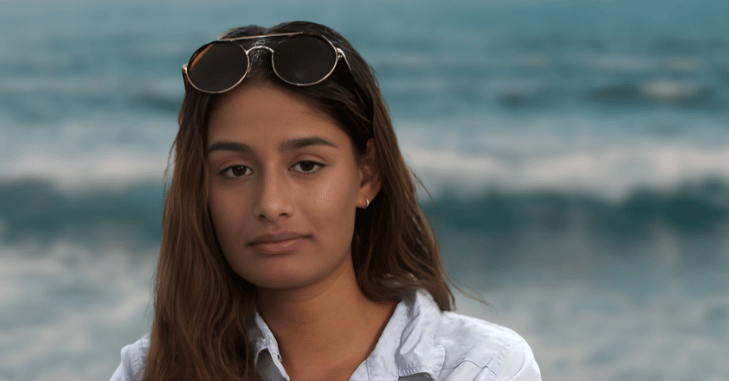
Shamima Begum’s case has sparked one of the most polarizing debates in modern British politics, raising complex legal, ethical, and national security questions.
Key Questions Raised
- Should minors recruited by extremist groups be treated primarily as victims?
- Can citizenship legally be removed if it results in potential statelessness?
- Should national security take priority over individual rights?
- What responsibility does the UK hold for citizens who joined ISIS abroad?
Public Opinion Remains Sharply Divided
Arguments Against Her Return
- Concerns over national security risk
- Perceived lack of clear remorse
- Belief in accountability for joining a terrorist organization
- Fear of setting a legal precedent
Arguments Supporting Her Appeal
- She was only 15 years old at the time of departure
- Possibility of grooming, manipulation, or coercion
- Human rights considerations
- Importance of due process and a fair legal hearing
- The case has become symbolic of wider debates about extremism, immigration policy, counterterrorism laws, and the limits of citizenship rights in the United Kingdom.
Legal Battles and Court Rulings
Shamima Begum’s legal journey has involved multiple appeals and court decisions focused on national security and citizenship law.
Timeline Overview
| Year | Event Description |
| 2015 | Left the United Kingdom and traveled to Syria to join the ISIS-controlled territory. |
| 2019 (Feb) | Discovered in a Syrian refugee camp after the collapse of ISIS’s territorial control. |
| 2019 (Feb) | UK Home Secretary revoked her British citizenship on national security grounds. |
| 2020–2023 | Filed multiple appeals through the UK courts challenging the citizenship removal decision. |
| 2021 | The UK Supreme Court ruled she could not return to the UK to pursue her appeal in person due to security concerns. |
| 2023 | The Court of Appeal upheld the government’s decision to remove her citizenship. |
Legal Position
- UK courts have consistently prioritized national security concerns in their rulings.
- Judges acknowledged that the decision may be harsh but stated it was lawful under existing legislation.
- Legal experts continue to debate whether the ruling fully aligns with international human rights law, particularly regarding statelessness and due process.
Impact on UK Policy and Counterterrorism

The case of Shamima Begum has significantly influenced UK policy discussions on counterterrorism and national security, particularly in areas such as handling foreign ISIS recruits, preventing radicalization among teenagers, monitoring online extremist recruitment, and expanding citizenship revocation powers.
Debates surrounding her situation are often highlighted in documentaries, and what are commonly searched as Shamima Begum movies have intensified public and political scrutiny over how governments respond to citizens who join extremist groups abroad.
Broader Cultural Impact
- Academic research on radicalization
- Media ethics discussions
- Public understanding of ISIS recruitment strategies
- Conversations about youth vulnerability
Her case is frequently referenced in debates about online extremism and the responsibility of governments toward radicalized minors.
Conclusion
The ongoing debate surrounding Shamima Begum movies, documentaries, podcast interviews, and legal proceedings highlights how her case extends far beyond a single individual’s story. Media portrayals, often searched for online, as Shamima Begum movies, continue to shape public opinion by presenting contrasting narratives of accountability, vulnerability, and radicalization.
From her early life in East London to her marriage in Syria, the loss of her British citizenship, and the complex court rulings that followed, her journey has become a focal point for discussions about extremism, national security, human rights, and citizenship law.
Ultimately, her case remains one of the most significant and controversial legal and political debates in modern British history, illustrating how terrorism, youth radicalization, and government policy can collide in ways that have lasting national and global impact.
Want to know about Charlotte Church Net Worth Check out our Entertainment category.
FAQs
Her British citizenship was withdrawn in 2019 by the government, which said she would not become stateless due to her Bangladeshi ancestry.
The 2025 movie Brides was inspired by Begum’s trip to Syria; the fictionalized tale features the Turkish bus terminal where Begum and her friends waited.
The Shamima Begum Story: The Girl Who Joined ISIS is available on Prime Video. At the age of 15, Shamima Begum fled London and vanished within the Islamic State organization.
At the time, she was considered a national security threat by law.