
Introduction
A self-build mortgage is a loan designed to finance the construction of a new home. It provides funds in stages as the building progresses. Unlike traditional mortgages, this loan allows you to borrow money only as needed, making it more flexible for customized home projects.
This article will explore the benefits, types, and eligibility requirements of a self-build mortgage and how to apply, manage costs, and ensure a successful project.
Benefits of a Self-Build Mortgage
- Self-build offer several advantages, such as allowing you to create a custom home tailored to your needs.
- The funds are provided incrementally, so you don’t need a large lump sum upfront.
- Additionally, these mortgages can be more affordable in the long run since you have control over the construction process, potentially saving money on labor and material costs.
How Does a Self-Build Mortgage Work?
The process begins with mortgage applications, where lenders assess your financial situation and the construction project details. The loan is typically disbursed in stages, each tied to completing certain milestones in the building process.
These may include laying the foundation, completing the shell, and finishing interior work. The amount you borrow is based on the value of the land and the projected value of the finished home.
Understanding the Costs Involved in Self-Build Mortgages
When embarking on a self-build project, it’s crucial to have a comprehensive understanding of the associated costs. A self-build mortgage not only covers the purchase of land but also encompasses a myriad of expenses linked to construction. These costs can include materials, labor, permits, and insurance, all of which must be meticulously planned for to avoid budget overruns. Additionally, lenders may charge extra fees for administrative tasks and property valuations, which should also be factored into your financial planning. Ill-prepared budgeting can lead to delays and financial strain, so it’s essential to create a detailed budget that incorporates both direct and indirect costs to ensure your self-build journey is successful.
Types
There are two main types of self build mortgages: arrears and advance. With an arrears mortgage, you pay for construction costs upfront and claim the money back after completing each phase. With an advance mortgage, the lender provides funds in advance for each stage of construction, helping cover upfront costs.
Eligibility
To qualify for a self-build mortgage, you must meet certain requirements. Lenders will assess your credit score, income, and overall financial situation. Additionally, you will need a detailed construction plan, including costs and timelines. The land you plan to build on must be suitable for construction, and lenders will often require a deposit, typically ranging from 10% to 25% of the project’s total cost.
How to Apply for a Self-Build Mortgage?
The application process for a self-build mortgage involves several steps. First, gather all necessary documentation, such as proof of income, credit history, and a detailed building plan. Next, research different lenders to compare their terms and conditions.
Once you’ve selected a lender, submit your application, which will be assessed based on your financial stability and the viability of your construction project. After approval, the mortgage funds are released in stages.
Costs Involved
A self-build involves several direct and indirect costs. These include purchasing land, construction materials, labor, and other associated expenses such as permits and insurance. Lenders may charge additional fees for administration and valuation services. Budgeting for all these costs in advance is important to ensure you can cover them throughout the building process.
Managing Risks
While a self-build offers many advantages, it also carries certain risks. One key challenge is ensuring the construction project stays on budget and schedule.
Delays or cost overruns can cause financial strain. A clear and realistic plan, including a contingency fund for unexpected expenses, is essential to manage these risks. Working with experienced contractors and staying involved in the building will also help mitigate risks.
Self Build Mortgage vs. Traditional Mortgage
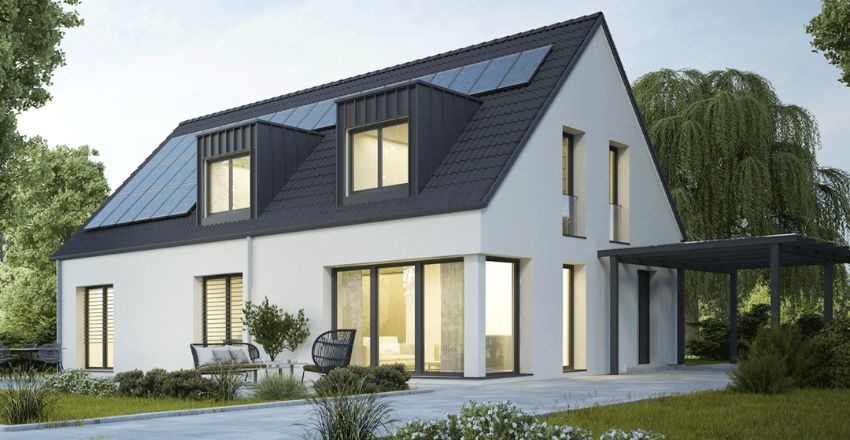
The main difference between a self-build and a traditional mortgage is how the loan is disbursed. In a conventional mortgage, funds are provided as a lump sum upfront to purchase an existing property. With a self-build, funds are released incrementally as the construction project progresses.
Self Build Mortgage and Government Support
In some regions, government schemes offer financial support for self-build projects. These may include grants, loans, or tax incentives to make self-building more affordable. Researching government support programs in your area can help reduce the overall cost of your project. These programs are especially beneficial for first-time self-builders or those looking to build eco-friendly homes.
Tips for a Successful Self-Build Mortgage
To ensure the success of your self-build mortgage and project, consider these tips: plan your budget carefully, including a contingency fund for unexpected costs; work with reputable builders and contractors; and stay organized with a detailed construction timeline.
It’s also important to communicate openly with your lender throughout the process to ensure that the funds are released as needed and that any issues are addressed promptly.
Role of Planning and Financial Management in Self-Build Mortgages
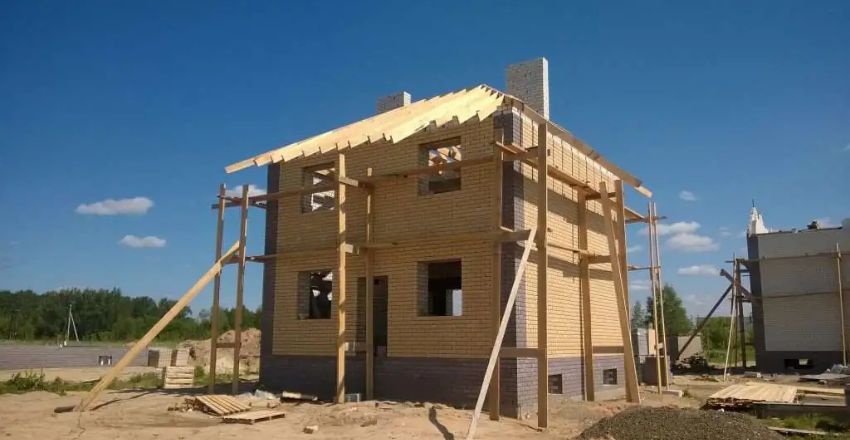
Successful self-build projects depend heavily on careful planning and strong financial management throughout every stage of construction. Since funds are released in phases, it is essential for borrowers to maintain accurate cost estimates and track spending closely to avoid delays or shortages.
Proper coordination between lenders, builders, and project managers ensures that each milestone is completed on time and within budget. Additionally, having a contingency reserve helps manage unexpected expenses such as material price increases or construction delays. With disciplined budgeting and clear communication, homeowners can complete their dream property efficiently while minimizing financial risks associated with the self-build process.
Conclusion
In conclusion, a self-build mortgage offers flexibility and control over the construction of a personalized home. Releasing funds in stages helps manage costs and reduce upfront payments. This article has covered the key aspects of building mortgages, including types, eligibility, and tips for success, ensuring you are well-informed and can confidently navigate the self-building process.
If you want to read an interesting article about it, explore our “Finance” category.
FAQs
A self-build mortgage is a loan that helps finance the construction of a new home. Funds are released in stages as construction progresses, offering flexibility for custom home projects.
The loan is disbursed in stages based on construction milestones, such as completing the foundation or interior work. You borrow money as needed, with repayments made after the house is finished.
Self-build mortgages allow you to create a customized home and manage costs incrementally. They can also be more affordable long-term by giving you control over construction and saving on labor/materials.
There are two main types: arrears and advance. Arrears mortgages require you to pay for construction upfront and claim money back, while advance mortgages provide funds before each stage begins.
To apply, you must gather financial documents a detailed building plan, and choose a lender. The lender will assess your financial situation and project details before approving the loan.