
Introduction
Building a house in the UK is a dream for many, but understanding the costs involved is crucial to turning that dream into reality. Many ask: How Much Does It Cost to Build a House the UK? The expenses can vary significantly based on location, design complexity, and quality of materials. On average, constructing a standard three-bedroom home can cost between £150,000 and £200,000. However, this amount does not include additional costs such as land acquisition and planning permissions.
For a more detailed perspective, costs are often calculated per square meter, with basic builds ranging from £1,200 to £1,500 per square meter and luxury projects exceeding £2,500 per square meter. Beyond construction costs, factors like regional variations, utility connections, and taxes significantly shape your budget. This article thoroughly explores these elements to help you plan effectively and avoid unexpected financial surprises.
| Purpose | To provide insights into the cost of building a house in the UK and factors affecting the budget |
| Target Audience | Potential homeowners, real estate investors, and construction enthusiasts |
| Average Cost Range | £1,750–£3,000 per square meter |
| Planning Permission | Costs vary, typically around £500–£1,500 |
| Land Purchase Costs | Highly variable depending on location; averages between £100,000–£300,000+ |
| Architect Fees | Typically, 5–15% of the total construction cost |
| Construction Costs | Depends on materials and labor; approximately 60–70% of total budget |
| Interior Finishes | Estimated at £25,000–£50,000, depending on quality |
| Utility Connections | Costs for water, gas, electricity, and sewage average £5,000–£15,000 |
| Location Impact | Urban areas are more expensive than rural areas |
| Size of House | Larger houses require higher budgets for materials and labor |
| Eco-Friendly Features | Additional costs for green technologies, like solar panels and energy-efficient insulation |
| Contingency Fund | Advised to allocate 10–15% of the total budget |
| Project Management | Costs for hiring a project manager or contractor |
| Time to Build | Average build time is 6–12 months |
| Conclusion | Building a house in the UK involves various costs influenced by size, location, and features. |
Key Factors That Influence House Building Costs in the UK
When planning to build a house in the UK, one of the most important steps is understanding the range of costs involved and what drives them, as this helps shape realistic budgeting and project expectations. Several core elements contribute to the overall expense, including the size and design of the property, choice of materials, and the complexity of architectural features. Labor and contractor fees also play a significant role, with costs varying depending on location, skill level, and market demand. Additionally, expenses such as obtaining planning permission, adhering to building regulations, and connecting essential services (like electricity and water) can further impact the total outlay. By recognizing these key cost drivers early on, prospective builders can make informed decisions about where to allocate their budget most effectively and avoid unexpected financial pressures as the project progresses.
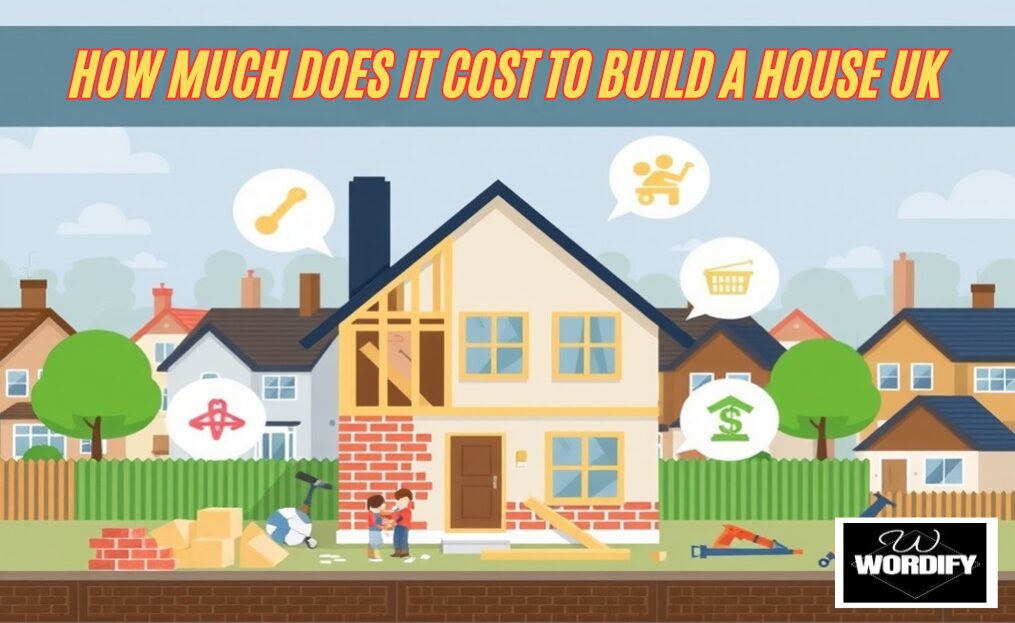
How Much Does It Cost to Build a House the UK?
When estimating the cost of building a house in the UK, one of the most common metrics is the cost per square meter. This figure provides a baseline for understanding construction expenses. Still, it varies widely depending on location, materials, and design complexity.
- Basic Builds: For a standard-quality home, costs typically range from £1,200 to £1,500 per square meter. It covers essential construction elements like walls, flooring, and utilities but excludes premium finishes or custom designs.
- Mid-Range Builds: A middle-tier home with higher-quality materials and finishes can cost between £1,750 and £2,200 per square meter.
- High-End Builds: Luxury homes or custom-designed properties with top-tier materials often exceed £2,500 per square meter, sometimes reaching as high as £3,000 per square meter.
It’s important to note that these figures exclude additional costs like land purchase, planning permissions, and taxes. For example, building a 200m² home at £2,200 per square meter would result in a construction cost of approximately £440,000, excluding other expenses.
Land Costs: The First Major Expense
Before construction begins, purchasing land is one of the most significant upfront costs. Land prices vary dramatically across the UK based on location and plot size.
- In rural areas or less developed regions, land may be more affordable. Still, it could require additional preparation work like clearing or leveling.
- Urban plots or those near major cities are typically more expensive due to higher demand.
For example:
- A plot in central London can cost millions of pounds.
- In contrast, land in rural Scotland may be available for under £50,000.
It’s also essential to factor in legal fees and surveys when purchasing land. These additional costs can add thousands of pounds to your budget.
Design and Planning Costs
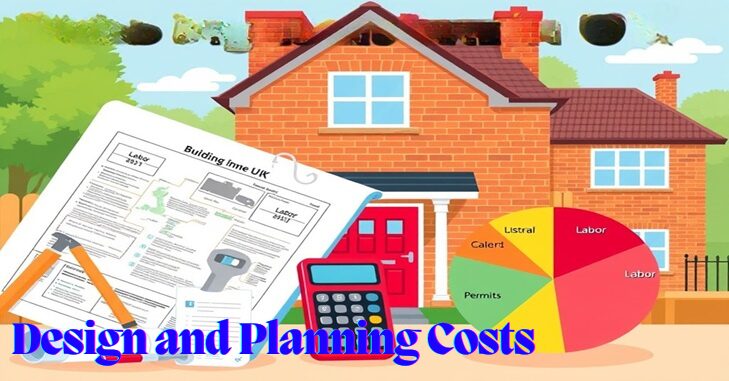
Architectural design and planning permissions are critical steps in building a house. These services ensure your project complies with local regulations while aligning with your vision.
- Architect Fees: Hiring an architect typically costs 5–15% of your total construction budget. A mid-range build costing £300,000 could amount to between £15,000 and £45,000.
- Planning Permissions: Securing planning permission usually costs between £400 and £1,500 but may vary depending on local council fees.
- Engineering Consultations: Structural engineers or surveyors may charge an additional 8–15% of your building costs for their expertise.
Investing in professional design services ensures your project runs smoothly while avoiding costly errors or delays.
Construction Costs: Breaking Down the Build
Construction expenses form the bulk of your budget. These include everything from excavation to final finishes:
- Foundation Work: Depending on ground conditions, preparing the site (e.g., clearing debris) and laying foundations can cost between £5,000 and £15,000.
- Framing and Roofing: These structural elements typically account for 20–30% of total construction costs.
- Plumbing and Electrical Work: Installing essential systems like water pipes and wiring adds 10–15% to your budget.
- Interior Finishes: Flooring, painting, cabinetry, and other interior details can vary widely based on quality preferences:
- Basic finishes: Around £50–£100 per square metre.
- High-end finishes: Upwards of £200 per square metre.
Labor accounts for approximately 40–45% of total construction expenses. Hiring experienced professionals ensures quality work but may increase overall costs.
Utilities and Infrastructure Costs
Connecting your new home to essential utilities is another critical expense:
- Water Supply: Installation fees range from £1,000 to £3,000 depending on proximity to existing infrastructure.
- Electricity Connection: Costs typically fall between £1,500 and £5,000.
- Gas Supply: If required, gas connections may add another £500–£2,000.
- Sewage Systems: Connecting to public sewers averages around £4,000 but could be higher in remote areas requiring septic tanks.
These utility connection fees are often overlooked during initial budgeting but are essential for making your home livable.
Taxes and Legal Fees
Several taxes and legal obligations must be considered when building a house:
- Stamp Duty Land Tax (SDLT): Payable when purchasing land; rates depend on the property’s value.
- VAT (Value Added Tax):
- New builds are generally VAT-exempt for construction costs.
- However, some services or materials may still incur VAT at 20%.
Legal Fees: Solicitor charges for handling land purchase agreements usually range between £500 and £1,500.
Accounting for these taxes ensures compliance with UK regulations while avoiding unexpected penalties.
Eco-Friendly Features and Their Impact on Costs
As sustainability becomes increasingly important in modern construction projects:
- Solar panels can cost between £4,000 and £8,000 but reduce long-term energy bills.
- Installing energy-efficient windows may add another 10–15% to upfront costs but improve insulation efficiency.
While eco-friendly features increase initial expenses slightly, they offer significant savings over time through reduced utility bills. By considering these factors—from land purchase to unexpected contingencies—you can create a realistic budget for building your dream home in the UK while avoiding common pitfalls.
Importance of Budget Planning in UK House Construction
Careful budget planning is essential when building a house in the UK because construction costs can quickly increase due to unexpected expenses and regional price differences. From selecting land and hiring architects to managing labor, materials, and utility connections, every stage requires accurate financial forecasting to avoid overspending.
A well-structured budget not only helps homeowners prioritize essential features but also ensures that funds are allocated efficiently across design, construction, and finishing stages. Including a contingency fund is especially important, as it provides financial security against delays, material price changes, or design modifications. Ultimately, proper planning allows homeowners to complete their project smoothly while staying within their desired budget.
Conclusion
Building a house in the UK involves more than construction costs; it requires careful consideration of land prices, planning permissions, utility connections, and unforeseen contingencies. While the cost per square meter provides a useful starting point for budgeting, factors like location and design preferences can significantly impact your overall expenses.
By accounting for regional variations, investing in professional services, and preparing for unexpected costs with a contingency fund, you can set realistic expectations for your project. Whether you’re aiming for a modest family home or a bespoke luxury property, understanding these cost factors ensures that your dream home becomes a reality without breaking the bank.
Apart from this, if you are interested to read an amazing article on “Self-Build Mortgage“, then visit and explore our “Home Improvement” category.
Frequently Asked Questions (FAQs)
In the UK, buying a house is generally cheaper than building one, mainly due to the high land cost. However, building a house offers more control over design and specifications, and there are government incentives that can help offset some costs.
Building a house in the UK for £100,000 is challenging due to rising construction costs. However, it’s possible with careful planning and budgeting. You’d need to focus on a small, efficient design, possibly a one-bedroom or two-bedroom house, and use cost-effective materials and methods.
The UK’s most affordable regions to build a house are primarily in the North West of England and parts of Scotland. Areas like Burnley, Hyndburn, Hartlepool, and County Durham offer lower average house prices, making them more budget-friendly for building.
Key factors include land price, house size, design complexity, material quality, labour costs, and planning or regulatory fees.
The cost varies widely depending on location, size, design, and materials, but building a house in the UK typically requires a significant financial investment.