

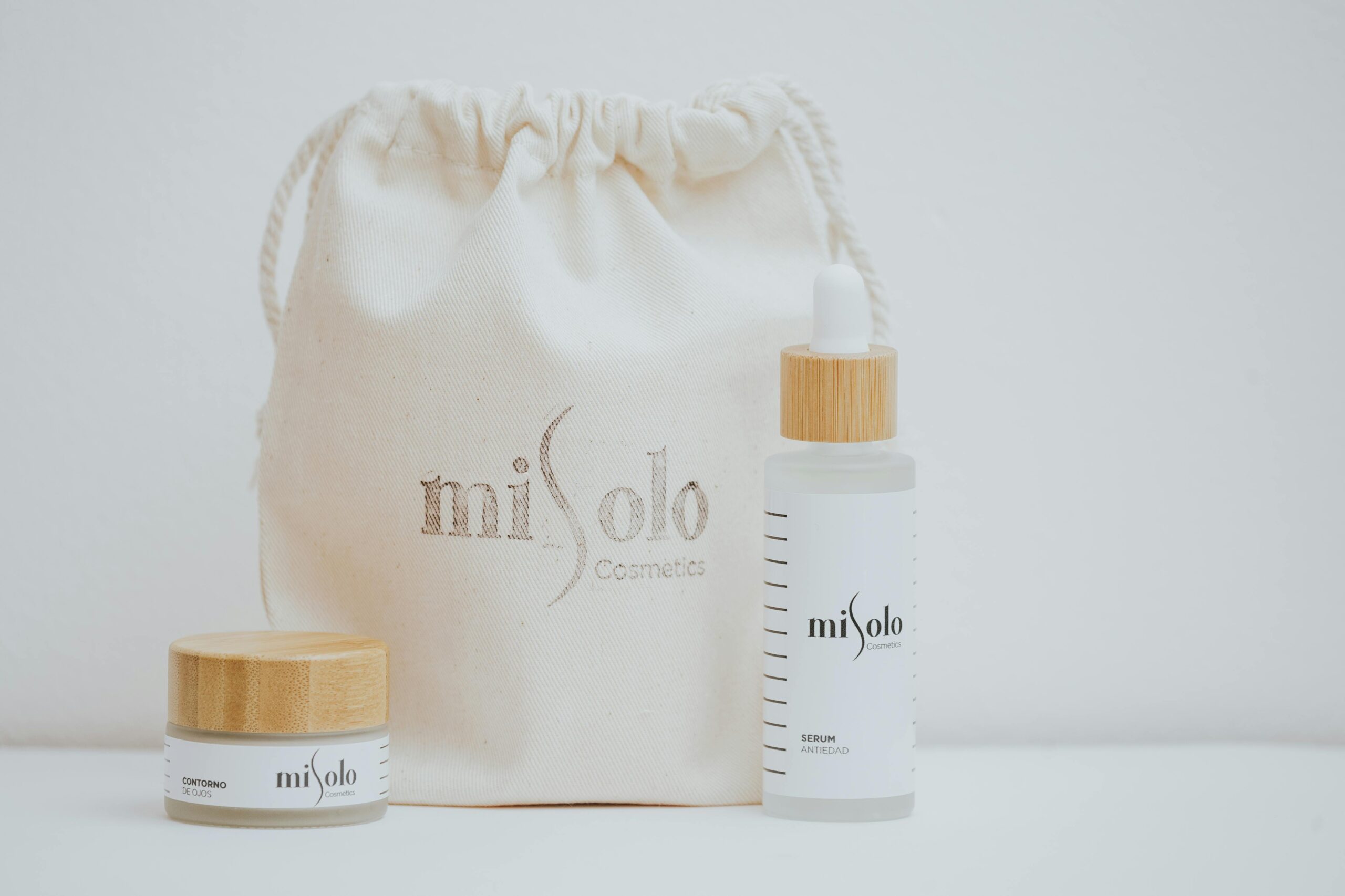
Sustainable Packaging in the Beauty Industry
The beauty industry is moving towards sustainable packaging solutions. This shift is driven by eco-conscious consumers and the challenges brands face when implementing eco-friendly practices. Here’s a closer look at what’s going on.
Emergence of Eco-Conscious Consumers
You might have noticed that more people care about the environment than ever before. Many consumers want products that align with their values, including how they are packaged.
Eco-conscious consumers often choose brands that use biodegradable materials, like recycled plastics or compostable packaging. This change is pushing companies to innovate and develop solutions that both appeal to customers and benefit the planet. Your choices can influence how companies act, encouraging an industry that is more aware of its environmental impact.
Sustainability Challenges in Cosmetics
Transitioning to sustainable packaging can be tough for beauty brands. You might think it’s easy, but numerous hurdles come with it.
For starters, finding materials that are both eco-friendly and meet safety standards is difficult. Additionally, costs can be a barrier, as sustainable materials often come with a higher price tag. There’s also the challenge of maintaining the quality and shelf life of beauty products. Adapting manufacturing processes and updating distribution can be time-consuming and expensive. Brands need to strike a balance between sustainability and practicality.
By understanding these challenges, your support can help brands make necessary changes, leading to a more eco-friendly beauty industry.
Eco-Friendly Packaging Design Principles
Eco-friendly packaging design aims to minimize environmental impact by using sustainable materials and innovative practices. It focuses on creating efficient designs that are functional and mindful of their ecological footprint.
Materials and Lifecycle Assessment
When designing eco-friendly packaging, the choice of materials is crucial. You should look for biodegradable or recyclable materials like cardboard, glass, and aluminum. These materials help in reducing waste and are easier to process after their lifecycle ends.
A lifecycle assessment is important in understanding how packaging impacts the environment. This involves analyzing energy consumption, carbon footprint, and waste at each stage from production to disposal. By doing this, you can make informed decisions to choose materials that are less harmful and more sustainable.
Innovations in Eco-Friendly Packaging
Innovation plays a significant role in creating sustainable packaging. You can explore minimalist designs that use less material without sacrificing functionality. This not only saves resources but also reduces overall waste.
Another exciting innovation is the use of eco-friendly inks made from natural sources. These are less toxic and break down more easily than traditional inks. Additionally, consider implementing reusable and refillable packaging designs. This encourages customers to keep and reuse packaging materials, further cutting down on waste and environmental harm.
Materials Used in Eco-Friendly Packaging
Using sustainable packaging materials helps reduce environmental impact and conserves resources. You can choose from plenty of eco-friendly options that are durable, biodegradable, and recyclable.
Advantages of Bamboo Packaging
Bamboo is a popular choice for eco-friendly packaging due to its sustainability. It grows quickly, making it a renewable resource. Because it is sturdy, bamboo can protect your cosmetics effectively. It is also biodegradable, meaning it will break down naturally over time instead of lingering in landfills.
Using bamboo packaging is a great way to add a natural look to your products. It can be crafted into various shapes and sizes, offering flexibility in design. Since it absorbs less moisture, bamboo packaging helps protect products from environmental factors.
Pros and Cons of Other Sustainable Materials
Aluminum and stainless steel are two common materials used in sustainable packaging. They are both durable and can be recycled many times. While metals are heavier than some other materials, they provide solid protection for cosmetics.
Another choice is recycled paper. It is lightweight and easily printed, allowing for creative designs. Though it may not be as strong as metals, it serves well for outer packaging layers. Biodegradable plastics are also gaining popularity. They mimic traditional plastics yet break down much faster, reducing pollution.
When choosing materials, consider the balance between sustainability, protection, and cost. Each option has its own benefits, so you can select what best meets your needs while being kind to the environment.
Environmental Impact and Protection
Eco-friendly cosmetic packaging plays a significant role in reducing harm to the environment. By adopting sustainable practices, the beauty industry can lower its carbon footprint. Understanding legislation related to environmental protection helps guide effective packaging choices.
Reducing Carbon Footprint Through Packaging Choices
Choosing sustainable materials for packaging can dramatically decrease the carbon footprint of cosmetic products. Recyclable and biodegradable materials help lower greenhouse gas emissions. These options ensure less waste ends up in landfills or oceans, protecting wildlife and ecosystems.
Minimalist designs also help. Reducing material usage means less energy consumption in production and transportation. When you opt for refill options, even less material is needed, supporting eco-friendly practices. Your choices make a real difference in protecting the environment.
Legislation and Environmental Protection Efforts
Environmental laws are crucial for guiding sustainable packaging. Regulations often demand reduced plastic use and encourage recycling and composting. They help hold cosmetic companies accountable for their impact on the planet.
Being aware of such legislation can help you make informed decisions. Supporting brands that comply with these laws boosts efforts to protect natural resources. It’s important to recognize the role of government initiatives in enforcing environmental protection measures.
Adoption of Sustainable Practices in Cosmetic Packaging
You will find that sustainable practices are becoming more common in cosmetic packaging. Brands are making efforts to reduce waste and improve their environmental impact. New ideas like refillable packaging are getting attention from both companies and consumers.
Case Studies of Sustainable Beauty Brands
You might be interested in how some beauty brands are leading the way in sustainability. A company like Lush is known for its packaging-free products, encouraging customers to bring their own containers. RMS Beauty uses recyclable and reusable packaging to enhance its eco-friendly approach. These brands aim to lower waste and inspire others to do the same.
Another example is Kjaer Weis, which offers refillable makeup options, letting you keep the original container while replacing just the product inside. Brands like these focus on innovation and responsibility in their packaging choices. You’re seeing a shift to materials that can be easily recycled or reused, reducing the carbon footprint.
Consumer Reception and Market Trends
If you’ve noticed more eco-friendly packaging on store shelves, you’re not alone. Many consumers are paying attention to sustainability and supporting brands championing these practices. Surveys show that people prefer products with less plastic and more recyclable options.
The demand for sustainable beauty products is growing as you and others look for options that align with your values. Brands are responding by offering items that are not only eco-friendly but also stylish and easy to use. The current trend points to a future where refillable packaging and sustainable practices are the norm rather than the exception. As a consumer, your choices are encouraging this positive market shift.
Apart from that if you want to know about “Efficient Shipping: How Freight Forwarding Powers Global E-commerce Success” then please visit our Business Category.