

Introduction
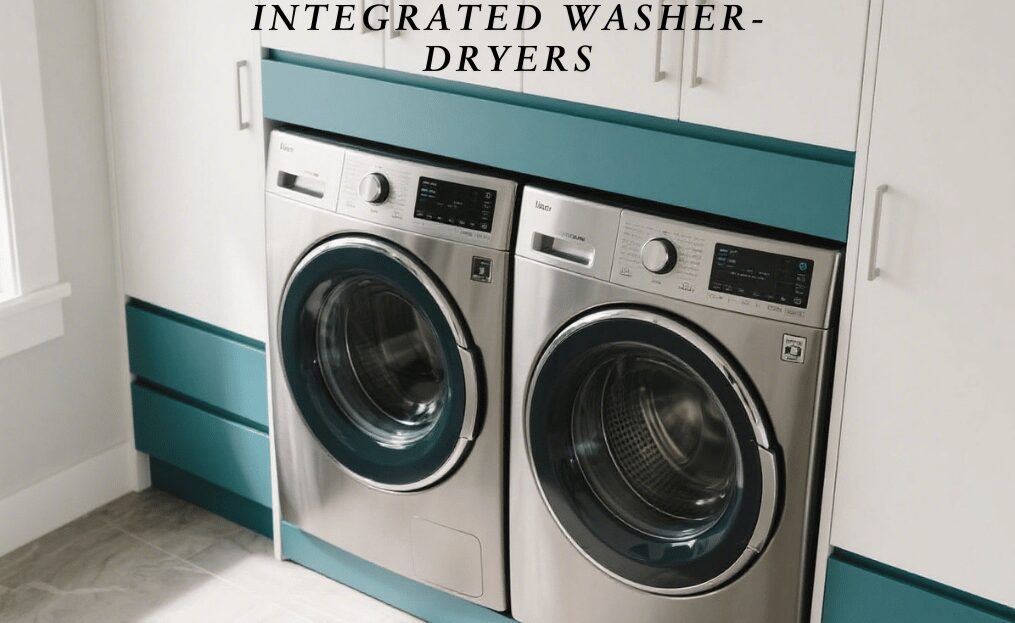
As modern homes continue to prioritize minimalism, efficiency, and smart use of space, integrated washer-dryers have emerged as a practical solution for contemporary living. These versatile appliances combine both washing and drying functions into a single unit, seamlessly concealed within kitchen or utility room cabinetry.
Ideal for apartments, small houses, or spaces where every inch counts, integrated washer-dryers help homeowners maintain a sleek and clutter-free environment without sacrificing performance. By eliminating the need for two separate machines, they offer unparalleled convenience, allowing users to run a full laundry cycle from wash to dry without switching appliances.
As technology advances, many of these units now come equipped with features such as sensor drying, load detection, and energy-efficient programs. While they may not suit the needs of larger households or those with heavy laundry demands, integrated washer-dryers offer a perfect balance of style, space efficiency, and ease of use for those seeking a modern laundry solution in a compact footprint.
| Aspect | Summary |
| What | All-in-one washer & dryer, built into cabinetry |
| How | Washes like a standard machine; dries via condenser |
| Pros | Space-saving, convenient, sleek design |
| Cons | Small capacity, long cycles, higher repair costs |
| Best For | Small homes, light laundry loads, minimalist setups |
| Top Brands | Bosch, AEG, Hotpoint, Zanussi, Samsung |
Integrated Washer-Dryers
Integrated washer-dryers are multifunctional laundry appliances designed to combine the functions of a washing machine and a tumble dryer in a single, space-efficient unit. Built seamlessly into kitchen or utility room cabinetry, these appliances are ideal for homes with limited space, such as apartments or smaller houses, where separate machines might not be practical.
Their concealed design maintains a clean and cohesive look, especially in open-plan living areas where visible appliances could disrupt the aesthetic flow. The main advantage of integrated washer-dryers is their convenience; they allow users to wash and dry clothes in one continuous cycle without the need to manually transfer laundry between machines.
Modern models often feature intelligent technologies such as sensor drying, load detection, and eco-friendly programs, which help save energy and reduce water usage. However, they do come with trade-offs: their drying capacity is generally lower than the washing capacity, which can be inconvenient for larger households, and cycle times tend to be longer due to the condenser drying system.

What Is an Integrated Washer-Dryer?
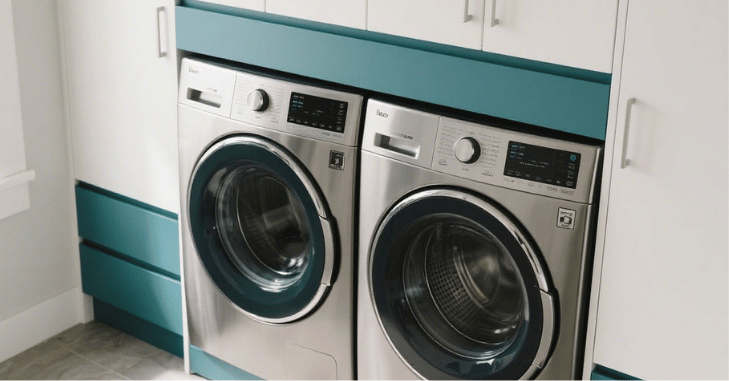
An integrated washer-dryer, sometimes referred to as a built-in washer-dryer, is a laundry appliance designed to be installed behind a cupboard door or within a kitchen or utility unit, blending in with the surrounding cabinetry. Unlike freestanding models, integrated washer-dryers are fixed into position and concealed, making them ideal for people who want a streamlined, minimalist aesthetic.
This machine performs both washing and drying functions, eliminating the need for two separate appliances. It typically features
- A front-loading door
- Washing and drying cycle options
- Lower capacity than standalone machines
- A concealed front panel or door to match kitchen units
How Does an Integrated Washer-Dryer Work?
An integrated washer-dryer combines two processes in one appliance:
- Washing Cycle: Clothes are washed like in a standard front-loading washing machine using water, detergent, and movement (agitation).
- Drying Cycle: After the washing cycle, the same drum begins to dry clothes using a condensation drying method, where hot air evaporates water from clothes and then cools it to collect the moisture.
Key Features Include
- Auto-sensing technology to adjust cycle times based on load weight
- Multiple wash programs, including eco-friendly and delicate settings
- Drying settings (time- or sensor-based)
- Delay timers and digital displays for convenience
Advantages of an Integrated Washer-Dryer
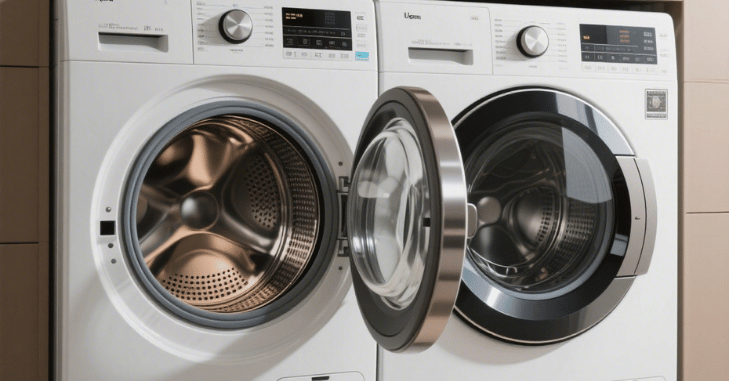
Integrated washer-dryers offer several compelling advantages that make them a smart choice for modern homes. One of their standout benefits is space-saving design. These appliances are ideal for small kitchens, flats, or homes with limited space, as they can be neatly fitted within cabinetry, eliminating the need for separate washer and dryer units. This integration helps maximize floor space without sacrificing functionality.
Convenience is also a major draw. With a two-in-one washer and dryer, users can complete an entire laundry cycle, washing and drying, without the need to manually transfer clothes between machines. This is especially beneficial for busy households or individuals looking to simplify their laundry routine.
Finally, time- and energy-saving features enhance the efficiency of these appliances. Many modern integrated washer-dryers come with eco-programs, sensor drying, and intelligent load detection systems. These innovations help reduce water and energy consumption, making them both environmentally friendly and cost-effective over time.
Disadvantages to Consider
| Drawback | Description |
| Lower Capacity | Most units offer 7–9 kg for washing and only 4–6 kg for drying, making them unsuitable for large households or heavy laundry loads. |
| Longer Cycle Times | Drying uses a condenser system, which is slower than vented models. Full wash-and-dry cycles can take 5–6 hours to complete. |
| Less Efficient Drying | Clothes may come out slightly damp, especially with fuller loads, as integrated models are generally less effective than dedicated tumble dryers. |
| Higher Maintenance Costs | Combining two machines into one makes repairs more costly and complicated. A malfunction in one function may render the entire appliance unusable. |
Is an Integrated Washer-Dryer Right for You?
Consider an integrated washer-dryer if:
- You live in a small home or apartment
- You want a discreet laundry solution
- You typically wash small to medium loads
- You prefer the convenience of a one-stop laundry appliance
- You’re okay with longer cycle times for drying
However, if you have a large family, require frequent laundry use, or prioritize fast drying, a separate washer and dryer may be a better fit.
Key Features to Look for When Buying
- Drum Size
- Energy Efficiency
- Spin Speed
- Noise Level
- Smart Technology
Installation and Maintenance Tips
Installation
- Integrated washer-dryers require professional installation.
- Ensure correct water supply, drainage, and electrical connections.
- Check for sufficient ventilation, even for condenser drying.
Maintenance
- Clean the lint trap and run maintenance cycles with the drum cleaner monthly.
- Leave the door slightly ajar after use to prevent mold and odors.
- Wipe down the rubber seals and the inside of the door regularly.
Cost and Brands to Consider
Prices for integrated washer-dryers generally range from £400 to £1,000 ($500 to $1,200), depending on features and brand.
- Bosch—known for quiet, durable models with excellent energy ratings
- AEG offers high-tech features and sleek design
- Hotpoint—more affordable options with large drum sizes
- Zanussi—budget-friendly and user-friendly
- Samsung—advanced tech and smart connectivity
Conclusion
An integrated washer-dryer is an excellent space-saving solution for homes where practicality meets style. By offering a seamless blend into kitchen or laundry cabinetry and combining both washing and drying functions into a single unit, this appliance makes laundry simpler for small households and modern urban living.
However, be sure to evaluate your laundry habits, available space, and drying needs before investing. When used correctly and maintained well, an integrated washer-dryer can provide years of quiet, efficient performance without ever clashing with your interior décor.
Want to know about ‘10 things to consider before renovating your home‘? Check out our ‘Home Improvement‘ category.
FAQs
It’s recommended to hire a professional to ensure correct water, drain, and electrical connections.
No, most use a condenser system that doesn’t require external venting.
Yes, many models allow separate wash or dry cycles.
Not necessarily. While they may be less efficient when drying, overall energy use depends on frequency and load size.
With proper use and maintenance, they typically last 8–10 years.