
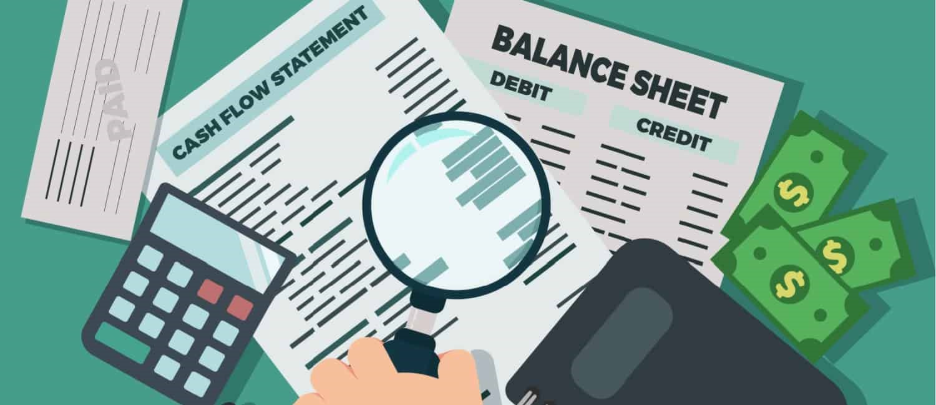
Cash flow isn’t about how much money you make. A highly profitable business can have poor cash flow, while a struggling business might manage its income and expenses more effectively. Understanding when money is coming in and going out is critical.
Building strong financial habits often starts earlier than many founders expect, including at the point of company formation. Choosing the right business structure can help make managing finances more straightforward from day one. In this article, 1st Formations will outline practical ways that small businesses can take control of cash flow.
Understand where cash flow problems come from
The first step in improving cash flow is understanding the causes behind problems. Typically, cash flow difficulties aren’t due to low sales. Instead, they’re often the result of poorly timed payments and a lack of visibility over finances.
One common cause of cash flow issues is late payments from customers, creating gaps between income and expenses. If you invoice clients, it’s important to set payment terms that suit your business and have contracts in place if payments are missed. Including a late fee clause can help encourage on-time payment.
Fixed costs, such as rent, wages, and subscription fees, still need to be paid regardless of income. This is why it’s important to have a financial buffer so that you can continue covering expenses, even if incoming payments are delayed.
To identify potential cash flow issues, it’s worth reviewing the last few months of your account activity. You can often spot patterns such as recurring late payments, frequent cash shortfalls, or spikes in outgoing payments.
Overcommitting growth before securing revenue can also make cash flow problems worse. If you spend heavily on stock but struggle to sell the items, it may take you a long time to recoup your losses and return to a more stable financial position. Gradually expanding your business at a sustainable pace can help you better understand how much you can afford to invest upfront.
Forecast your cash flow
Many founders avoid forecasting because it can seem time-consuming. However, when done regularly, it can become a simple and practical habit.
To forecast your cash flow, start with your current business bank balance. Then, add any expected incoming payments based on guaranteed invoices or an estimate of typical sales cycles. You can then subtract your predicted outgoing costs (both fixed and variable). Using this data, you can project forward and spot potential shortfalls and adjust accordingly. For example, if your rent and payroll are due before you receive payment from client invoices, you’ll know you need to lower unnecessary spending before incoming payments arrive.
Forecasting allows businesses to spot problems early and act before cash runs low. It works best if you regularly review and update your forecast, ideally weekly. By routinely adjusting your forecast, you can respond more quickly to potential shortfalls.
Control how and when you get paid
When you’re waiting on a client or customer to pay an outstanding invoice, your cash flow can feel out of your control. However, there are things you can do to improve how your business manages payments.
By setting clear payment terms with shorter time spans, such as 7-14 days rather than 30, you don’t have to wait as long to receive payment. Sending invoices immediately rather than delaying also helps you get paid faster. You can also schedule reminders before and after due dates to encourage prompt payments.
You might want to consider requesting upfront deposits, especially for service-based work. These can help you cover goods and labour costs while delivering projects. Offering staged payments for larger projects can also improve your cash flow, as this means you’ll receive more regular payments.
Customers often respond to the payment structure you put in place. So, when you invoice a new client, set clear payment terms that work well for you and your business.
Manage outgoing costs without restricting growth
Cutting costs too aggressively can limit growth. However, spending too much too quickly can negatively affect cash flow. It’s important to find the right balance.
When you’re considering how much you can afford to spend, it’s wise to differentiate between fixed costs (e.g. premises rent, staff salaries, software subscriptions) and variable costs (e.g. materials, freelancers’ fees, and marketing spend). If you take on new fixed costs, you need to understand the potential long-term impact on your cash flow. While you still need to be mindful of variable costs adding, these tend to be easier to reduce when needed.
As you review your outgoing costs, assess whether each expense directly supports revenue generation or improves operational efficiency. If it does not, check if it’s something you need to continue paying for. Sometimes, you’ll have to pay certain expenses for compliance. However, you may find that other outgoings are unnecessary. For example, you might be paying for subscriptions you don’t use.
Once you’ve established which payments you’ll continue making, try to align as many outgoing expenses with incoming revenue cycles as possible. Sometimes, this may involve negotiating payment terms with suppliers or switching to alternative providers. Adjusting payment dates can help optimise your cash flow without reducing spending.
Create a financial buffer to reduce pressure
Operating with little or no cash reserve can make your business more vulnerable to unexpected expenses. Having a financial buffer can help you navigate periods of reduced income or unexpected costs.
Depending on how much cash you have available, you may want to set aside enough to cover a month, a quarter, or longer. If you don’t have a lump sum right now, you can start building it up by setting aside a small percentage of revenue consistently. If you treat this as a non-negotiable outgoing, it will build steadily.
A buffer can business owners navigate downturns and respond to financial challenges without relying on reactive decisions to gather funds.
Use systems to support cash flow
By introducing systems to manage your finances, you can make your cash flow more predictable.
One of the tools that can help support cash flow control is cloud-based accounting software. You can use this to automate how you send out invoices and payment reminders. This means invoices can go out consistently, even if you’re too busy to send them manually.
If you register your business as a limited company, it’s a legal requirement to keep your business finances separate from your personal funds. You can take this even further by using an additional account to separate the money you’ll need for upcoming tax bills. Separate bank accounts can help ringfence funds and reduce the risk of accidental overspending.
Using automated processes and separate accounts can reduce reliance on memory and manual financial management.
Take a proactive approach to cash flow in 2026
Cash flow control doesn’t require complex financial strategies. By understanding your incomings and outgoings, including their timing, you can forecast your cash flow more effectively. Planning ahead allows you to make more informed decisions about your spending and how to react to cash shortages.
While market conditions may be particularly tough for many businesses in 2026, the same principles for controlling cash flow apply during both strong and difficult business conditions. Having a structured approach to cash flow can make financial decision-making more straightforward, whether you’re expanding or scaling back.