
If you have worked in a professional kitchen – or even watched one – you’ll know how much pressure there is to stay fast, organised, and, above all, hygienic. It is a space where tools are not only necessary, but essential. And a few tools are used as often as the cutting board.
From preparing vegetables in a public kitchen to cutting cooked meats in a large-scale catering operation, the food service cutting board plays a central role in the preparation of safe and efficient food.
But not all boards are created equal. If you manage a restaurant, coffee shop, school kitchen, or catering business in the UK, choosing the right catering chopping boards can have a profound impact on hygiene, workflow, and even compliance with food safety regulations.
Let’s break it down into what you need to understand about selecting the appropriate commercial chopping boards, and why quality, colour coding, and using the right material are more important than you realise.
Why Food Service Boards Deserve Serious Thought
In a household kitchen, one chopping board may be sufficient to do everything from bread to chicken. But in food service, that would be a considerable safety hazard.
Catering cutting boards are used for all types of food, including meat, dairy, raw fish, fruits, bakery items, and more. Lacking proper organisation, you risk cross-contamination, low hygiene ratings, or even customer sickness.
Commercial kitchens, therefore, count on food-grade chopping boards—specifically designed tools that are frequently colour-coded and highly durable.
The Colour Code System: Not Just for Show
In most UK catering settings, colour-coded commercial chopping boards system is the norm. It serves as a simple visual reminder to maintain clean and safe food preparation.
Here’s a fast overview:
- Red: Raw meats
- Blue: Raw fish
- Yellow: Cooked meats
- Green: Salad and fruit
- Brown: Root vegetables
- White: Bakery and dairy
Applying this system ensures that every food group has its prep area, thereby ensuring compliance with food hygiene laws and maintaining a secure working environment.
When purchasing a food service cutting board, ensure it comes in standard colours and that staff are adequately trained for its use.
Most Important Features to Expect on a Food Service Cutting Board
Selecting a catering chopping board isn’t all about colour. Let’s examine the essential features that every board must possess if it is to survive and flourish in a commercial kitchen:
1. Food Grade Certification
Always ensure your board is labelled as food grade. That is, it is produced from safe materials for contact with food, usually HDPE (high-density polyethylene) or equivalent plastics. Such materials are non-toxic, non-absorbent, and bacteria-resistant.
2. Durability Under Pressure
A commercial chopping board should be able to withstand heavy use, hot washes, and sharp blades without cracking, deformation, or discolouration. The heavy-duty plastic boards are perfect; they are durable, but they won’t dull your knives like some glass or marble boards.
3. Hygienic by Design
The best boards are hygienic chopping boards by nature, as they do not retain moisture or harbour food particles. Check for boards with soft finishes, rounded edges and non-porous surfaces. Some even have antimicrobial qualities to minimise the potential for bacterial growth further.
4. Non-Slip Stability
In a busy kitchen, stability is safety. Most food service cutting boards have rubber feet or grips to prevent them from sliding around. If your board doesn’t have one, place a damp cloth underneath as temporary support—but preferably, the board itself should remain fixed while in use.
5. Customisation Options
Certain suppliers now offer bespoke chopping boards with handles, juice grooves, logos, or adjustable sizes. This is particularly convenient if your kitchen is short on counter space or you need boards for a specific prep station.
Plastic versus Wood in Food Service
This dilemma is popular in home kitchens, but in commercial food service, plastic is a walkaway.
Why plastic is the intelligent choice:
- Less difficult to clean and dishwasher friendly
- Non-bacterial and non-porous
- Compliant with colour-coded systems
- Longer-lasting and less expensive in the long run
- Customisable in size and branding
The wooden boards, however pleasant and classic, are discouraged in commercial kitchens. They absorb water, are harder to sanitise and may fall short of the food safety standards under pressure.
Don’t Ignore Size and Thickness
Not every task is the same. Preparing a handful of strawberries for dessert is very different from preparing a roast or deboning a fish. This is why it is worth stocking a variety of sizes and thicknesses:
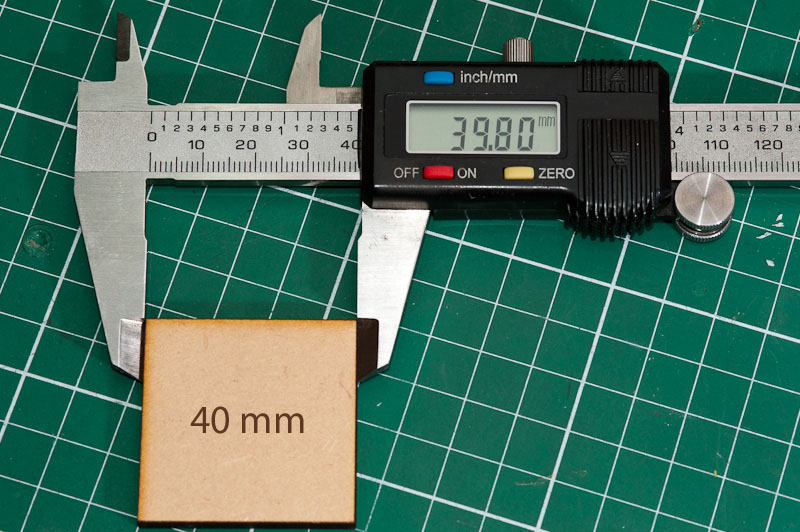
- The fine boards (6-12 mm) are suitable for light or tight spaces.
- Medium boards (12-20mm) are your workhorses for general prep.
- Thicker boards (25mm and larger) are designed for butchers or heavy chopping jobs.
In most UK kitchens, the 18mm HDPE board is the standard of choice: substantial enough for longevity, yet not so heavy to be unwieldy.
How Many Boards Does a Kitchen Require?
There isn’t one—it will depend on your menu, kitchen size, and staff. However, as a minimum, every commercial kitchen must have:
- One board for each colour code
- Spares in case of cross-contamination
- Dedicated food-grade chopping boards for allergens or gluten-free preparation (if necessary)
If your operation has multiple prep areas, including hot, cold, and pastry, it’s wise to have complete sets for each area.
Cleaning and Maintenance Tips
Even top-of-the-line hygienic chopping boards require maintenance. Meet these guidelines to keep your advice safe and lasting:
- Wash in hot water (better yet, wash) after each use
- Store boards upright to dry
- Check regularly for deep cuts or grooves
- Replace worn-out boards to prevent bacteria from taking shelter in cracks
- Steer clear of harsh scrubbers that will sand the surface
Can You Use Custom Boards In Commercial Kitchens?
Yes. Increasingly, companies are using bespoke chopping boards to optimise their workflow or reinforce their brand. You may include:
- Company logo or kitchen section labels
- Engraved allergen warnings
- Holes for hanging or hooks
- Custom shapes for fitting individual stations
Ensure that any bespoke board remains compliant with food hygiene laws and is constructed from certified food-grade materials.
Conclusion: Spend on the Right Board, Not Any Board
Whether you operate a Michelin-starred restaurant in London or a high-volume catering unit in Leeds, your food service cutting board system reflects a great deal about your kitchen standards. Clean boards = safe food. Colour coding = fewer errors. And boards that are well constructed last longer, saving you money in the long run.
If you’re looking for durable, safe, and customisable commercial chopping boards in the UK, Plastic Chopping Boards is a name worth knowing. Their selection of catering chopping boards, including hygienic chopping boards in every industry-standard colour, is ideal for busy kitchens that need both compliance and quality. With a focus on food-grade chopping boards, UK-made products, and even bespoke options, they’ve become a trusted name for chefs and caterers nationwide.
Your cutting board may not be the most glamorous item in the kitchen, but choosing the right one makes it one of the most important.