

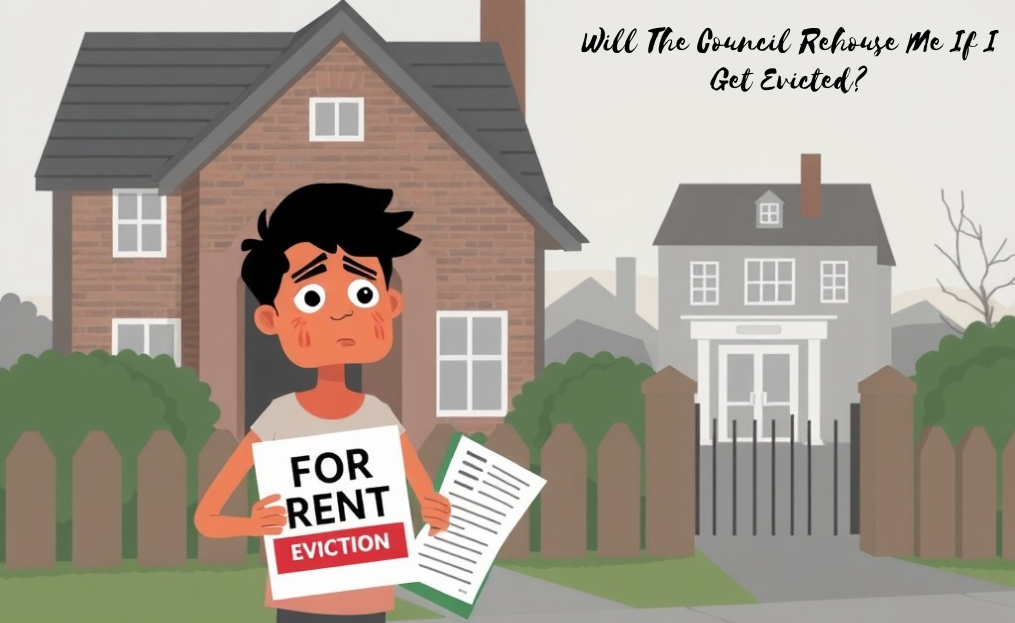
Facing eviction can be an incredibly stressful and uncertain experience, leaving many people asking, “Will the council rehouse me if I get evicted?” In the UK, local councils have a legal duty to assess individuals at risk of homelessness and, in certain circumstances, provide temporary accommodation.
Whether you qualify for rehousing depends on factors such as your eligibility, priority need, local connection, and the reason for your eviction. Understanding your rights under key legislation, such as the Housing Act 1996, can help you take the right steps early, prepare the necessary documents, and improve your chances of receiving support during this difficult time.
| Section | Key Points | Why It Matters |
| Understanding Your Rights | Tenants are protected under housing laws; landlords must follow legal eviction procedures. | Ensures you know if your eviction is lawful and what protections you have. |
| Legal Framework | Governed by laws including the Housing Act 1985 and Housing Act 1996. | Establishes the council’s responsibilities and your legal protections. |
| Grounds for Eviction | Rent arrears, tenancy breaches, anti-social behaviour, and repossession. | Helps determine how the council may assess your situation. |
| Council’s Duty to Provide Temporary Accommodation | Must assess homelessness applications and may provide emergency housing. | Critical for those with no immediate place to stay. |
| Eligibility Criteria | Must be homeless or at risk, eligible for public funds, and possibly in priority need. | Determines whether the council must provide accommodation. |
| Types of Temporary Accommodation | Hostels, B&Bs, private rentals. | Explains what kind of housing you may receive initially. |
| Assessment Process | Review of personal circumstances, housing history, and local connection. | Influences the level of support offered. |
| Required Documents | ID, eviction notice, proof of income, medical evidence, and family details. | Strengthens your rehousing application. |
| Timeframes for Assistance | Councils must respond promptly, but outcomes vary by case complexity. | Sets realistic expectations. |
| Legal Representation | Housing solicitors and legal aid services can assist. | Improves chances of a successful application or appeal. |
| Possible Outcomes | Temporary accommodation, referral to services, or refusal with the right to appeal. | Helps you prepare for the next steps. |
| Appeal Process | Written review request if the application is refused. | Provides a second chance if the decision seems unfair. |
Will The Council Rehouse Me If I Get Evicted?

If you are facing eviction, you may wonder, “Will the council rehouse me if I get evicted?” The answer largely depends on your individual circumstances and the local council’s policies. Generally, councils have a legal obligation to assess your situation and provide temporary accommodation if you become homeless.
This applies especially if you have received a valid eviction notice or are at risk of losing your home. It’s important to engage with your local council as soon as possible, gather the necessary documentation, and understand your rights to ensure you receive the support you need during this challenging time.
Understanding Your Rights
- Legal Framework: In the UK, tenants have substantial rights protected under various housing laws, including the Housing Act 1985, the Housing Act 1996, and subsequent amendments. These laws provide fundamental protections to tenants against wrongful eviction and ensure that individuals are treated fairly, regardless of their circumstances.
- Tenants have rights against eviction, meaning landlords must follow legal procedures to evict them. This typically includes providing adequate notice and obtaining a court order. Those with assured or secure tenancies have greater protection, as landlords cannot evict them without proper justification.
- Grounds for Eviction: There are numerous grounds upon which a landlord can seek eviction, including non-payment of rent, breach of the tenancy agreement, nuisance or anti-social behavior, and repossession of the property. I want you to know that understanding the specific grounds of your eviction can help you respond appropriately and prepare for your next steps.
The Council’s Duty to Provide Temporary Accommodation

When You Are Eligible
The council has a legal duty to provide temporary accommodation if you are found to be homeless. You may be eligible if you are at risk of eviction, have been served with a valid eviction notice, or your landlord is seeking possession of the property. Councils are responsible for assessing your situation, providing advice, and offering temporary accommodation as necessary.
Types of Accommodation
Temporary accommodation options can vary but may include hostels, bed-and-breakfast establishments, or private rented accommodation. The council’s primary responsibility is to ensure you have a safe place to stay while your housing situation is being resolved.
The Assessment Process
When you approach the council for support, they will carry out an assessment, which includes understanding your personal circumstances, housing history, and local connection. This assessment helps determine how best to address your needs. Councils typically prioritize local applicants, so they consider your connection to the area, such as employment or family ties.
Timeframes for Assistance
Councils are required to respond to your request promptly, usually within a few days. However, depending on the complexity of your case, securing accommodations may take longer.
Documents You Need When Requesting Rehousing
When applying for rehousing or temporary accommodation, having the necessary documentation is critical. You will generally need proof of identity, such as a passport, driving license, or another government-issued ID, to verify your identity.
Additionally, it’s essential to provide documentation that proves your homelessness situation; this includes a copy of your eviction notice or court papers, evidence of your housing history, and proof of income or financial status. If you have health issues or disabilities, obtaining documentation from healthcare providers can help support your application.
Furthermore, family circumstances, including information about dependents and their specific needs, may also be relevant. Letters of support from agencies, employers, or community groups can further enhance your application by highlighting the urgency of your situation and strengthening your case for rehousing.
Preparing for the Rehousing Process

Engage Early
If you know that eviction is imminent, engaging with your local council as early as possible can be beneficial. The sooner you reach out, the more options may be available to you.
Access Support Services
Seek help from local charities, housing organizations, or legal aid services. They can guide you through the process, assist with preparing your application, and ensure you have all the necessary documentation.
Stay Informed
Keeping abreast of your rights and entitlements will empower you throughout this journey. Understanding relevant legislation and available resources can make a significant difference.
The Importance of Legal Representation
- Seeking Legal Advice: Seeking legal advice when facing eviction or homelessness can be wise. Legal professionals can clarify your rights, assist with documentation, and represent you in assessments or court hearings.
- Types of Legal Services: Housing solicitors specialize in housing law and can offer tailored advice. Additionally, various organizations provide free legal services for those who qualify based on income or specific circumstances.
Possible Outcomes
Successful Rehousing
If the council approves your request, you will be placed into temporary accommodation while you search for a more permanent housing solution. The council will work with you to explore options based on your needs and eligibility.
Referral to Other Services
In some cases, you might be referred to specialized housing services that cater to specific needs, such as family homelessness, addiction support, or mental health services.
Appeal Process
If the council refuses your application for support, you have the right to appeal. The appeal process typically involves submitting your response in writing, and it’s advisable to seek assistance from legal experts during this phase.
Additional Support and Preventing Homelessness Early
If you are at risk of eviction, it is important to act early rather than waiting until the final stage of the process. Local councils in the UK often encourage tenants to seek help as soon as they receive warning notices, as early intervention can sometimes prevent homelessness altogether.
In many cases, councils may work with landlords and tenants to explore solutions such as repayment plans for rent arrears or referrals to housing support services before eviction becomes unavoidable. Charities and housing advice organizations can also guide in managing tenancy issues and negotiating with landlords.
Conclusion
Navigating the complexities of eviction and rehousing can be overwhelming. However, understanding your rights and the council’s responsibilities can provide clarity and guidance. Understanding the assessment process, preparing the necessary documents, and seeking early intervention will better position you as you face the potential of homelessness.
Support is available through local councils, charities, and legal aid organizations. If you find yourself at risk of eviction, taking proactive steps to secure long-term housing stability is crucial. Remember, you are not alone, and assistance is available to help you through this challenging time.
Want to know about Second Home Tax: A Complete Guide to Costs, Rules, and Smart Strategies for Multiple Property Owners Check out our Law category.
FAQs
To assist you in filing your response with the court, you should hire a lawyer right away or get in touch with a legal aid agency. You will receive a trial date after submitting your response. You can present your case during the trial, and you won’t be evicted if you prevail.
New laws that give 11 million renters more rights, better protections, and increased home security will take effect on May 1, 2026. What is evolving? Landlords in the private rental sector will no longer be able to evict tenants without a good reason, ending “no-fault” evictions.
Council tenants who must relocate in order for us to remodel their residences. residents who, according to social services, require housing. residents whose current housing exacerbates a serious or life-threatening medical condition. People who live in extremely crowded housing require an additional two or more bedrooms.
Without a court order, landlords may not take matters into their own hands and evict tenants. The sheriff will have the authority to remove the tenant and their possessions from the property if, after receiving the eviction notice, they still do not leave within the allotted time.