
No one likes opening their water bill only to find it’s jumped way higher than expected. If your costs have crept up without a clear reason, chances are something’s going on behind the scenes—literally. Leaks, outdated appliances, and even simple habits can send your water usage soaring without you even noticing.
The good news? You don’t need to tear up your plumbing or spend a fortune to get things under control. Here’s how to track down the causes of high water bills—and what to do about them.
Detecting Hidden Leaks in Your Home
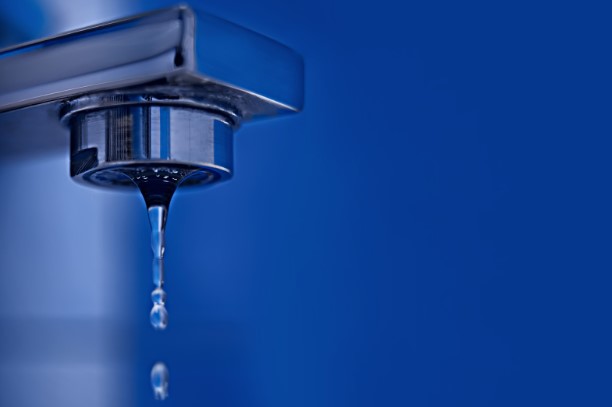
Sometimes the biggest problems are the ones you can’t see. Hidden leaks are one of the most common (and frustrating) reasons your water bill keeps rising. They can quietly waste hundreds of litres each day, whether it’s a slow drip under the sink or a cracked pipe buried beneath the garden.
One easy way to check for signs of a hidden water leak is by using your water meter. Turn off all the taps and water-using appliances in your home, then check the meter. If it’s still moving, there’s likely a leak somewhere. While some leaks are easy to fix, others may need a plumber to properly diagnose and repair.
If you notice damp patches, mouldy smells, or unexplained puddles around the house, don’t ignore them—they might be pointing to something more serious.
Keep an Eye on Water-Hungry Appliances
Older dishwashers, washing machines, and even toilets can guzzle more water than necessary. If your appliances are more than a decade old, there’s a good chance they’re not pulling their weight in the efficiency department.
Consider upgrading to newer, water-saving models. Look for appliances with good energy and water ratings—they may cost more upfront, but they’ll save you money in the long run. In the meantime, always try to run full loads and use eco-cycles where possible to cut down on unnecessary waste.
Rethink Everyday Water Habits
Sometimes it’s not the pipes—it’s us. Everyday habits can sneakily drive up your water use, even if you don’t realise it. Things like taking long showers, leaving the tap running while brushing your teeth, or running half-full loads in the dishwasher all add up.
Read More: How Mattress Materials Impact Comfort, Durability, and Price
Try setting a timer for your showers or switching to a water-saving showerhead. Turn off taps when they’re not in use, and wait until the washing machine is full before pressing start. These small changes can make a big difference over time, especially if everyone in the household gets on board.
Seasonal Surges and Garden Watering
Your garden could be soaking up more than just sun. During dry spells, outdoor water use can double or even triple your usual consumption. If you’re using a sprinkler system or hosepipe regularly, it’s worth checking how efficient your setup is.
Try watering early in the morning or late in the evening to reduce evaporation. You could also consider drought-tolerant plants or installing a rainwater collection system to cut down on mains water use.
Stay Informed on Local Water Rates and Support
Not all high bills come from leaks or habits—sometimes, they’re just a result of rising rates. Water prices can vary based on your location, meter type, and usage band. It’s a good idea to check with your local supplier to see how your charges are calculated and if any rate changes are coming.
Many areas offer rebates or discounts for installing water-efficient fixtures or switching to a water meter (if you’re not on one already). It’s worth asking your provider what support or savings might be available.
Invest in Long-Term Water-Saving Solutions
If you’re ready to make a bigger impact, look into water conservation tools like low-flow taps, dual-flush toilets, and water butts for garden use. These upgrades can significantly reduce your household’s water footprint while cutting monthly costs.
You don’t have to make all the changes at once—just start with what’s practical for your home. Over time, the savings will add up, and you’ll have peace of mind knowing you’re using water more efficiently.
Final Thoughts
High water bills don’t have to be a permanent problem. By spotting potential leaks early, updating water-guzzling appliances, and being a little more mindful about everyday habits, you can take back control of your usage—and your wallet.
And remember, those small steps you take at home can ripple out into a more sustainable future. Whether it’s fixing a leak or switching to smarter tech, every change helps.
If you’ve recently tackled a water-saving project or discovered a sneaky leak, share your experience in the comments. The more we learn from each other, the easier it gets to manage our homes more efficiently.
Want to know about “What Does Your Home Decor Style Say About You?” Check out our “Home Improvement” category.