

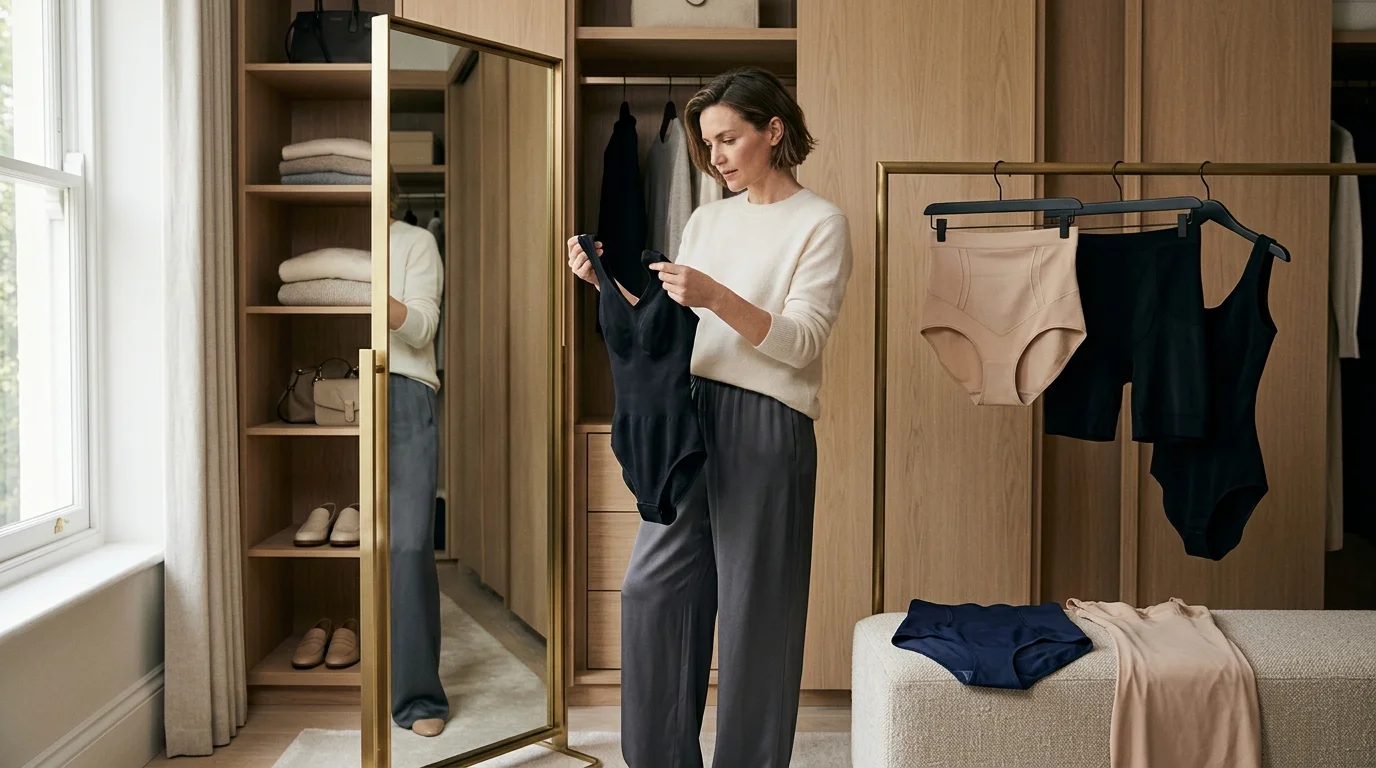
The right tummy control underwear can smooth your silhouette without making every meal, meeting, or night out uncomfortable. Good shaping underwear should support your midsection while allowing normal movement and breathing. The key is choosing the correct control level, cut, and size rather than buying the tightest pair available.
Control underwear now ranges from light everyday briefs to high-waisted shorts and firmer occasion shapewear. UK retailers offer options at widely different price points, so expensive doesn’t automatically mean suitable. Current ranges also show that shoppers can choose between light, medium, and firm support rather than treating all shapewear alike.
Direct answer: Tummy-control underwear uses stretch fabric and targeted compression to create a smoother line around your stomach and waist. Choose light control for everyday smoothing, medium control for fitted outfits, and firm control for stronger shaping. The correct size should feel supportive without painful digging, constant rolling, or restricted movement.
| What to consider | Best starting point |
|---|---|
| Everyday wear | Light control |
| Fitted dresses | Medium control |
| Shorter special occasions | Medium or firm control |
| Visible knicker lines | Smooth, no-seam briefs or thong |
| Thigh smoothing | High-waisted shaping shorts |
| Waistband rolling | Correct size and higher rise |
| Maximum torso coverage | Shaping bodysuit |
| Comfort priority | Breathable, flexible fabric |
What Does Tummy Control Underwear Actually Do?
Shaping underwear uses panels of stretch fabric to apply controlled pressure around selected areas. That pressure can smooth the stomach, waist, and hips beneath clothing. It changes how fabric sits over your body rather than permanently changing your shape.
That distinction matters because stronger compression isn’t automatically better. A garment that is excessively tight can dig into your waist or roll during movement. Triumph’s UK shapewear guidance specifically advises choosing your normal size rather than sizing down for extra compression.
The best choice therefore depends on what you want your underwear to achieve. Someone wearing jeans all day has different needs from someone dressing for a wedding. Comfort, coverage, and clothing type should guide the decision before compression strength.
Light, Medium, or Firm Control: Which Should You Choose?
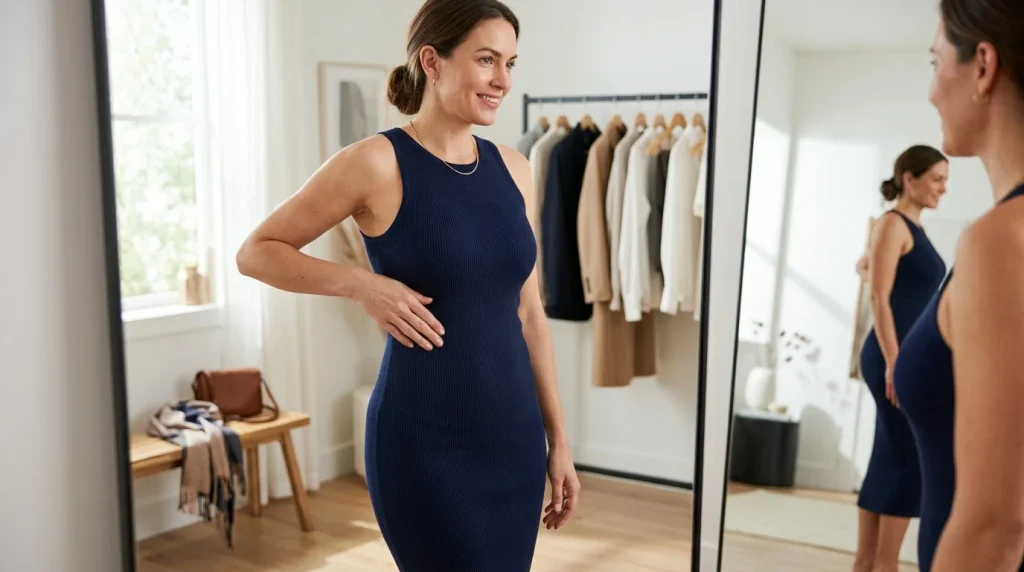
Light control is the easiest starting point for daily use. It ca.n soften visible underwear lines and provide gentle support without feeling too restrictive. This level often works well beneath trousers, workwear, and looser dresses.
Medium control provides more noticeable smoothing around the waist and lower stomach. It can suit fitted dresses, skirts, and tailored clothing where you want a cleaner outline. For many shoppers, medium support offers a practical balance between shaping and wearability.
Firm control applies stronger compression and may suit shorter periods or specific outfits. It can feel less forgiving after several hours, especially while sitting or eating. UK shapewear guidance suggests reserving stronger compression for situations where you need it rather than assuming firmer always means better.
| Control level | Feel | Useful for | Possible drawback |
|---|---|---|---|
| Light | Gentle | Daily clothing | Limited shaping |
| Medium | Supportive | Dresses and tailoring | Can feel warmer |
| Firm | Strong | Occasionwear | Less comfortable for long wear |
7 Tips for Choosing Tummy Control Underwear
1. Start With Your Normal Size
Buying a smaller size may sound like an easy way to increase compression. In practice, overstretching shaping fabric can encourage the waistband to roll or create pressure around its edges. Follow the manufacturer’s measurements instead of automatically sizing down.
Your underwear should sit firmly against your body without causing pain. You should still be able to sit, walk, and breathe normally. If getting dressed becomes a wrestling match, reconsider the size or control level.
2. Match the Rise to Your Outfit
High-waisted briefs cover more of the abdomen and usually finish closer to the natural waist. That makes them useful beneath dresses, skirts and higher-rise trousers. A lower-rise pair can work better with jeans or clothing that sits below your waist.
Check where the waistband ends before buying. A firm edge sitting across the widest part of your stomach may become visible beneath thin fabric. Moving that edge higher or lower can produce a cleaner result.
3. Choose Shorts When You Want Thigh Smoothing
Shaping shorts extend support beyond the stomach and hips. They can create a continuous line beneath dresses while reducing friction between the thighs. Longer legs can also avoid the obvious edge created by some briefs.
The trade-off is extra fabric and warmth. Shorts may feel excessive beneath jeans or during warmer weather. Reserve them for outfits where the additional thigh coverage provides a clear benefit.
4. Consider No-Seam Styles Under Thin Clothing
Visible seams can undermine the smooth finish you bought shapewear to create. Briefs and thongs cut without a visible seam minimise stitching around common pressure points. Current UK collections include both styles, alongside traditional briefs and bodysuits.
Check the leg openings as carefully as the waistband. Tight elastic can leave a visible ridge beneath fine dresses or trousers. Bonded or laser-cut edges may work better with particularly clingy fabrics.
5. Look Beyond Compression
Fabric composition affects comfort as much as shaping strength. Stretch fibres provide compression, while softer and more breathable materials can improve longer wear. A cotton-lined gusset is another practical feature worth checking.
Also consider how easily the garment moves with you. Underwear can look perfect while you’re standing yet become uncomfortable once you sit. Flexible panels often matter more during real daily wear than maximum compression.
6. Check Whether It Stays in Place
Rolling waistbands are among the most frustrating shapewear problems. Correct sizing matters, but garment height and construction also influence whether the waistband stays put. Some designs use wider waistbands or grip features to improve stability.
Try sitting, bending, and walking when assessing a new pair at home. The waistband shouldn’t need constant adjustment during ordinary movement. Check the retailer’s hygiene and returns rules before removing protective strips or wearing underwear for longer.
7. Buy for the Clothes You Wear
Don’t choose shapewear in isolation from your wardrobe. A no-seam thong may solve visible lines beneath leggings but won’t provide thigh coverage. High-waisted shorts may work beautifully beneath a dress yet feel unnecessary under everyday denim.
Think about the outfit first and choose underwear to solve its specific problem. This approach also prevents buying several highly compressive garments that rarely leave the drawer. A few useful shapes can cover most wardrobe situations.
Briefs, Thongs, Shorts or Bodysuits?
High-waisted briefs are a practical all-round option when stomach smoothing is the priority. They provide more coverage than ordinary knickers without extending down the thighs. They can also be easier to wear beneath trousers than longer shaping shorts.
Control thongs reduce visible lines across the bottom while still supporting the lower stomach. They work well beneath fitted trousers, skirts and leggings when rear coverage isn’t required. The cut must fit correctly, since discomfort becomes distracting quickly.
Shaping shorts provide broader coverage across the stomach, hips and upper thighs. They’re particularly useful beneath dresses and skirts where you want one continuous base layer. Some people also choose longer shorts to reduce inner-thigh friction.
Bodysuits extend shaping across more of the torso. Their continuous construction removes the separate waistband found on briefs and shorts. They can suit dresses and tailored outfits, although bathroom access and torso length deserve consideration before buying.
Why Does Shapewear Roll Down?
A rolling waistband can indicate poor sizing, unsuitable compression, or the wrong rise for your body. Sizing down is particularly tempting when stronger shaping is the goal. Yet excessive tension can work against the garment’s intended construction and encourage movement.
Body proportions matter too. Two people wearing the same dress size may have different waist-to-hip ratios and torso lengths. A design praised by one shopper can therefore sit differently on another person.
Try a different rise before abandoning control underwear entirely. A super-high waist may anchor better on one body, while a shorter brief may suit another. The goal is stable support without repeatedly pulling the waistband back into position.
How Tight Should Shaping Underwear Feel?
Supportive shapewear should feel close and secure rather than painful. You should be able to breathe normally, sit comfortably, and move without sharp pressure. Numbness, pain, or significant breathing restriction are clear signs to remove it.
Comfort also changes during the day. A garment that feels manageable for ten minutes may become unpleasant after several hours. Consider how long you’ll wear it when selecting the compression level.
This is why stronger control isn’t automatically the better purchase. Light or medium shaping that stays comfortable can be more useful than firm underwear you avoid wearing. Your preferred balance between smoothing and comfort should decide the level.
Common Buying Mistakes to Avoid
The first mistake is assuming smaller means smoother. Shapewear depends on controlled fabric tension rather than forcing yourself into the smallest possible garment. Start with the size chart and adjust only when the manufacturer’s guidance supports it.
Another mistake is expecting one pair to work beneath everything. Dresses, jeans, leggings, and tailored trousers place seams in different positions. Choosing two complementary styles may produce better results than searching for one universal garment.
Finally, don’t treat shaping underwear as something your body requires. It’s an optional clothing tool for changing how certain fabrics sit and feel. The useful question is whether a garment makes your chosen outfit more comfortable or gives you the finish you want.
How to Care for Shaping Underwear
Always begin with the garment’s care label because materials vary between brands. High heat can be hard on stretch fibres, so many pieces require gentler washing and drying. Proper care helps the fabric retain the tension that creates its shaping effect.
Rotate frequently worn pairs rather than relying on one garment every day. This gives elastic fibres time to recover between wears. Replace underwear when the waistband, seams, or compression panels lose their original support.
Storage is simple but still matters. Keep shaping garments flat or loosely folded rather than stretched around hangers. Avoid snagging fine, stitch-free fabrics on rough fasteners or jewellery.
Frequently Asked Questions
Does tummy control underwear flatten your stomach?
Tummy control underwear can make the stomach appear smoother beneath clothing by applying targeted compression. It doesn’t remove body fat or permanently alter your shape. The visible result varies with the garment’s construction, compression level, clothing, and individual body shape.
A firmer garment may create a more defined outline, but comfort should remain part of the decision. Excessively tight shapewear can create new lines above or below its edges. Correct fit often produces a cleaner finish than simply choosing maximum compression.
Can you wear control underwear every day?
Many light-control styles are designed with everyday wear in mind. Current UK ranges include lighter options alongside medium and firm alternatives. Your comfort and the manufacturer’s instructions should guide how long you wear any particular piece.
Daily underwear should allow comfortable movement and normal breathing. If a pair regularly causes pain or leaves you desperate to remove it, try a gentler control level. Everyday usefulness matters more than the strongest possible hold.
Should you size down in shapewear?
Usually, no. Buying smaller to create stronger compression can cause rolling and uneven pressure. Triumph’s UK guidance specifically recommends selecting the correct size rather than relying on a smaller garment for control.
Use the brand’s current size chart because sizing isn’t universal. Measure yourself when necessary rather than relying on an old dress size. A well-fitted piece should provide tension without making ordinary movement difficult.
What type works best under a fitted dress?
No-seam high-waisted briefs or shaping shorts are useful starting points. The better option depends on where the dress clings and whether you also want thigh smoothing. A bodysuit can provide more continuous torso coverage for certain outfits.
Look for flat edges beneath thin or smooth fabrics. Try the full outfit before an event rather than judging the underwear alone. Walking and sitting will reveal lines or rolling that aren’t obvious in a static mirror check.
Finding the Right Balance Between Smoothing and Comfort
Good shapewear doesn’t need to feel punishing to produce a smoother silhouette. Start with the clothing you’ll wear, then choose the coverage and compression needed beneath it. Size charts, fabric, rise, and seam placement deserve as much attention as promises of stronger control.
For most wardrobes, light or medium support is the sensible place to begin. Firm styles can still be useful for occasions where stronger shaping is your preference. Whichever style you choose, comfort and freedom of movement remain essential.
The wider lesson is simple: underwear should work for your body and wardrobe, not the other way around. Explore more practical fashion and lifestyle guidance on the Wordify homepage to make clothing decisions based on fit, function, and everyday usefulness.