

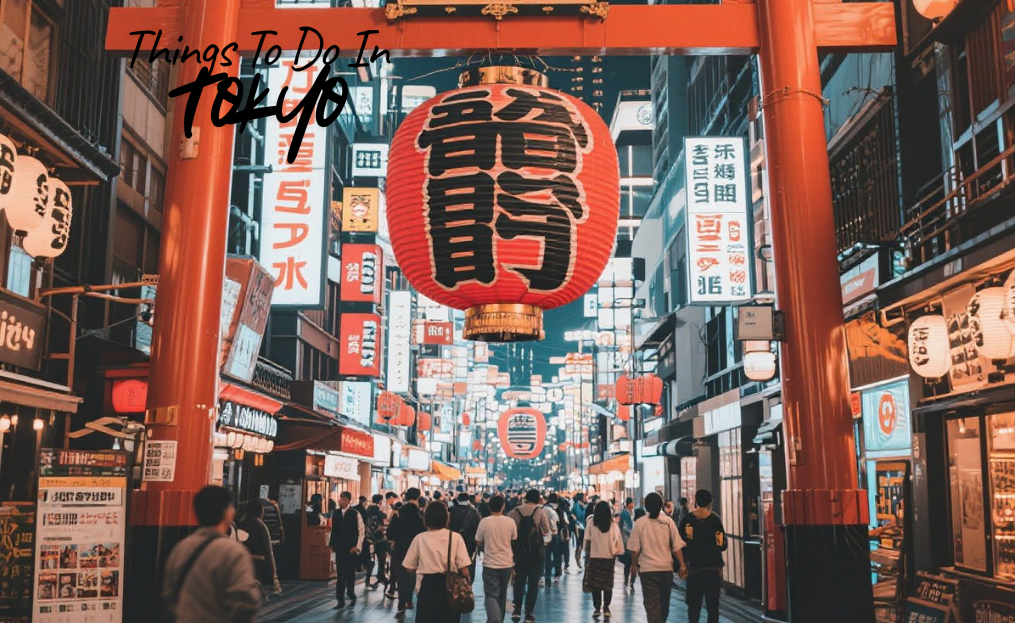
Things To Do In Tokyo
Tokyo, Japan’s bustling capital, is a city where tradition meets innovation, offering an endless array of attractions, cuisines, and experiences. From its iconic landmarks and historic temples to trendy shopping districts, vibrant nightlife, and a rich culinary scene, Tokyo captivates every type of traveler.
Whether exploring the cultural heritage of Asakusa, savoring world-class sushi, or witnessing the neon-lit energy of Shibuya, there are countless things to do in Tokyo that showcase the city’s dynamic spirit and timeless charm.
| Category | Highlights | Description |
| Iconic Landmarks | Tokyo Tower, Senso-ji Temple, Meiji Shrine, Shibuya Crossing, Imperial Palace | Explore Tokyo’s blend of history, spirituality, and modern architecture through its most famous attractions. |
| Shopping Districts | Shibuya, Harajuku, Ginza, Akihabara | Experience fashion trends, luxury boutiques, and tech culture in Tokyo’s most vibrant shopping hubs. |
| Culinary Delights | Sushi, Ramen, Izakayas, Street Food | Indulge in Tokyo’s diverse food scene, from high-end sushi to local street snacks. |
| Nightlife Experiences | Shinjuku, Roppongi, Karaoke Bars | Discover Tokyo after dark with lively bars, rooftop lounges, and fun-filled karaoke sessions. |
| Seasonal Events & Festivals | Christmas Illuminations, New Year’s Celebrations | Enjoy festive lights, shrine visits, and cultural performances during Tokyo’s winter season. |
Iconic Landmarks of Tokyo
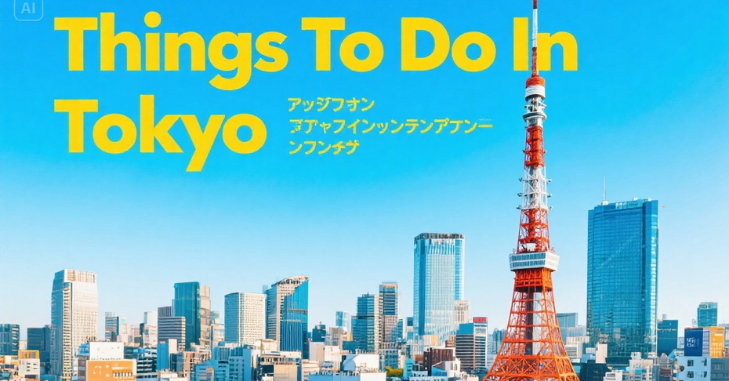
Tokyo Tower
One of Tokyo’s most recognizable landmarks, Tokyo Tower stands at 333 meters and offers stunning panoramic views of the city. Inspired by the Eiffel Tower, it was completed in 1958 and serves as a communications and observation tower. Visitors can take an elevator to the main observation deck, where they can enjoy breathtaking views, especially at sunset. The tower is beautifully illuminated at night, creating a picturesque scene against the Tokyo skyline.
Senso-ji Temple
Located in Asakusa, Senso-ji is Tokyo’s oldest and most important Buddhist temple, dating back to 645 AD. The temple is dedicated to Kannon, the goddess of mercy, and attracts millions of visitors each year. The approach to the temple, known as Nakamise Street, is lined with shops selling traditional snacks, souvenirs, and crafts. Upon entering the temple grounds, visitors can admire the majestic Kaminarimon Gate and the stunning five-story pagoda, making it a perfect blend of culture and spirituality.
Meiji Shrine
Nestled in a lush forested area near Harajuku, Meiji Shrine is dedicated to Emperor Meiji and Empress Shoken. This Shinto shrine offers a peaceful escape from the hustle and bustle of the city. Visitors can participate in traditional Shinto rituals, such as purifying themselves at the temizuya (water basin) before entering the shrine. The serene walking paths and beautiful gardens make it a popular spot for both locals and tourists seeking tranquility.
Shibuya Crossing
No visit to Tokyo is complete without experiencing the famous Shibuya Crossing, often dubbed the busiest pedestrian crossing in the world. From the vantage point of the nearby Starbucks or the Shibuya Scramble Square, visitors can witness the mesmerizing sight of hundreds of people crossing in every direction when the traffic lights turn red. The vibrant energy of the area, surrounded by towering neon signs and bustling shops, captures the essence of Tokyo’s urban life.
The Imperial Palace
The Imperial Palace, the primary residence of the Emperor of Japan, is located in the heart of Tokyo. While the inner grounds are not open to the public, visitors can explore the beautiful East Gardens, which are accessible year-round. The gardens are a blend of traditional Japanese landscaping and historical structures, offering a glimpse into Japan’s royal heritage. The surrounding moats and stone walls add to the grandeur of this historic site.
Shopping in Trendy Districts
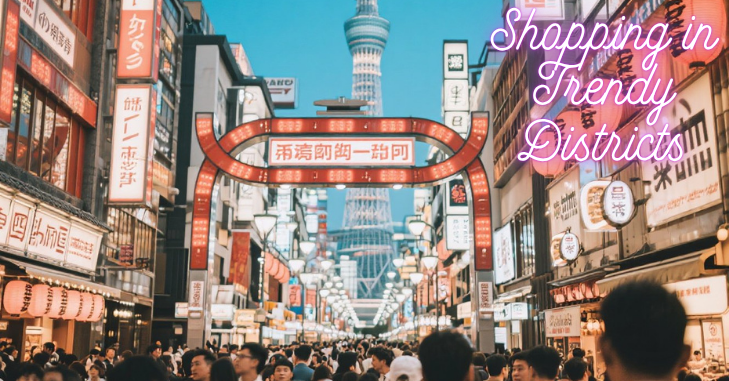
Shibuya: Shibuya is a shopping paradise, particularly known for its youth culture and fashion trends. The area is home to numerous department stores, boutiques, and flagship stores of popular brands. Shibuya 109, a fashion center for young women, showcases the latest trends in Japanese fashion. Visitors can also explore the many shops lining the streets, offering everything from quirky accessories to high-end fashion.
Harajuku: Famous for its unique street fashion, Harajuku is a must-visit for those looking to experience Tokyo’s creative spirit. Takeshita Street is the epicenter of this trend, lined with colorful shops selling vintage clothing, accessories, and eccentric designs. The area is also known for its vibrant cafes, where visitors can enjoy themed desserts and unique drinks. The contrast between the modern shops and the traditional Meiji Shrine nearby adds to the charm of Harajuku.
Ginza: For luxury shopping, Ginza is the ultimate destination. This upscale district features a mix of high-end boutiques, department stores, and flagship shops of international brands. Visitors can stroll along the main street, which is closed to traffic on weekends, making it a pleasant place to explore. In addition to shopping, Ginza is home to fine dining options, art galleries, and theaters, offering a sophisticated cultural experience.
Akihabara: Known as the mecca for electronics and otaku culture, Akihabara is a vibrant district filled with shops selling anime, manga, video games, and tech gadgets. Visitors can explore multi-story stores like Yodobashi Camera and Animate, which cater to various interests. The area is also famous for its maid cafes, where waitresses dressed in maid costumes serve food and drinks in a whimsical setting, providing a unique cultural experience.
Beyond its major attractions, Tokyo also offers hidden gems that reward curious travelers willing to explore deeper. Quiet neighborhoods like Yanaka provide a glimpse of old Tokyo with traditional wooden houses, small artisan shops, and peaceful temples untouched by modern skyscrapers. Meanwhile, Odaiba showcases the city’s futuristic side with waterfront views, digital art museums, and entertainment complexes.
Savoring Tokyo’s Culinary Delights
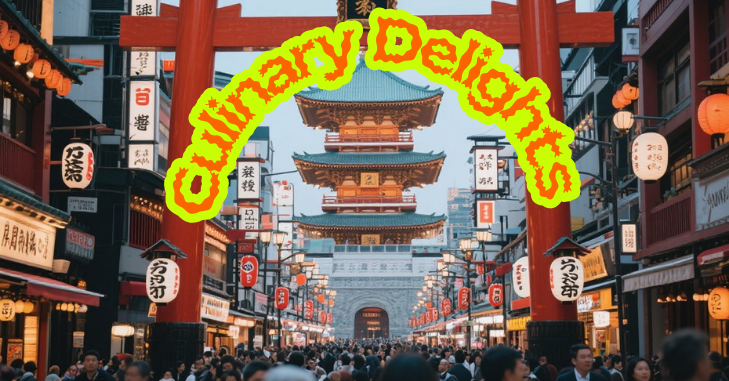
Tokyo boasts a culinary scene that is as diverse as its culture. From street food to Michelin-starred restaurants, the city offers a wide range of dining experiences that cater to every palate.
Sushi
Tokyo is renowned for its sushi, and no trip would be complete without indulging in this delicacy. Tsukiji Outer Market, although the inner wholesale market has moved to Toyosu, remains a popular destination for fresh seafood and sushi. Visitors can enjoy sushi at one of the many stalls or dine at sushi restaurants that emphasize the quality of their ingredients. For a truly unforgettable experience, consider dining at a high-end sushi restaurant, where chefs prepare sushi using the finest fish.
Ramen
Ramen is another iconic dish that has taken the culinary world by storm. Tokyo offers a variety of ramen styles, from shoyu (soy sauce) to miso and tonkotsu (pork bone) broth. Popular ramen shops like Ichiran and Ippudo have garnered a loyal following for their rich flavors and unique dining experiences. Be sure to try the toppings, such as chashu (braised pork), soft-boiled eggs, and nori (seaweed), to elevate your ramen experience.
Izakaya
For a more casual dining experience, izakayas are Japanese pubs that serve a variety of small dishes, perfect for sharing. These establishments offer a relaxed atmosphere where diners can enjoy grilled skewers (yakitori), sashimi, and seasonal specialties along with sake or beer. Exploring the izakaya culture allows visitors to immerse themselves in the local dining scene and experience authentic Japanese flavors.
Street Food
Tokyo’s street food scene is vibrant and diverse, with vendors offering an array of delicious bites. From takoyaki (octopus balls) to yakitori and sweet treats like mochi and taiyaki (fish-shaped pastries filled with sweet red bean paste), there is something for everyone. Street food markets, such as the ones in Asakusa and Ueno, provide the perfect opportunity to sample these culinary delights while soaking up the lively atmosphere.
Nightlife in Tokyo
Tokyo’s nightlife is as dynamic and captivating as its daytime attractions, offering something for every kind of traveler. In Shinjuku, the city’s bustling entertainment hub, visitors can experience the lively atmosphere of Golden Gai, a maze of narrow alleys lined with tiny bars, each boasting its own distinctive theme and character.
It’s the perfect place to hop between bars, enjoy unique drinks, and mingle with locals and fellow travelers. Beyond Golden Gai, Shinjuku also features larger clubs and live music venues that cater to a wide range of musical tastes, from electronic beats to jazz performances.
Another popular nightlife destination is Roppongi, known for its sophisticated vibe and international crowd. This district is home to upscale bars, modern nightclubs, and elegant lounges that blend local and global entertainment.
The iconic Roppongi Hills complex even offers rooftop bars with panoramic views of Tokyo’s glittering skyline, providing an unforgettable backdrop for a night out.
For a more casual yet distinctly Japanese experience, karaoke is a must-try. Tokyo is dotted with countless karaoke bars where guests can sing their favorite songs in private rooms equipped with advanced sound systems and vast song libraries. Whether belting out hits solo or sharing laughs with friends, karaoke provides a fun, relaxed way to immerse yourself in Japanese culture and end the evening on a high note.
Seasonal Events and Festivals
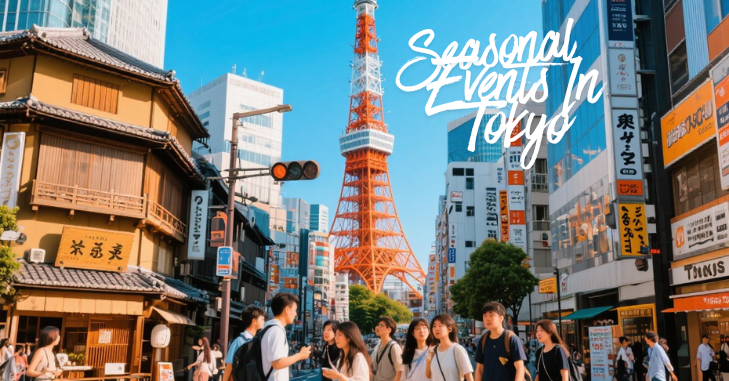
- Tokyo becomes especially lively in December, hosting a variety of seasonal events and festivals that enhance the city’s festive charm.
- Throughout the month, dazzling Christmas illuminations light up major districts like Shinjuku, Roppongi, and Marunouchi.
- These light displays often feature synchronized music and artistic designs, transforming the city into a magical winter wonderland.
- Visitors and locals alike flock to these illuminated areas to take photos, enjoy romantic strolls, and soak in the holiday spirit.
- As the year ends, Tokyo celebrates New Year’s traditions, blending modern festivities with deep cultural roots.
- Many residents participate in hatsumode, the first shrine visit of the year, praying for health, happiness, and prosperity.
- Popular sites for this ritual include Meiji Shrine and Senso-ji Temple, which attract large crowds at midnight and into New Year’s Day.
- Street markets and festive events accompany the celebrations, offering traditional foods, souvenirs, and live cultural performances to welcome the coming year.
Conclusion
Tokyo is a city that captivates with its unique blend of tradition and modernity. From iconic landmarks and vibrant shopping districts to exquisite culinary experiences and unforgettable cultural encounters, there is no shortage of things to do. Whether you’re exploring the historic temples, indulging in delicious sushi, or immersing yourself in the lively nightlife, Tokyo promises an adventure that will leave a lasting impression.
This comprehensive guide serves as a starting point for visitors looking to explore the many facets of Tokyo. As you navigate its bustling streets and hidden gems, you’ll discover a city that is constantly evolving while staying deeply rooted in its rich cultural heritage. Tokyo invites you to experience its charm, energy, and warmth, making it a destination that truly has something for everyone.
Want to know about Private transfer in Spain – comfort and style every kilometer of the way Check out our Travel category.
FAQs
For most single travelers, £5000 is more than enough for a week in Japan. However, if you’re a couple or family, or if you simply prefer to travel at a high level of luxury, you may exceed this amount, particularly when you factor in the cost of international flights.
Three days is the ideal amount of time for the traveler to stay in Tokyo. Base yourself somewhere central to save time. On Day 1, visit modern Tokyo on the west side. On Day 2, visit traditional Tokyo on the east side.
A one-week trip to Japan typically costs between Rs. 1 lakh to Rs. 3 lakh, depending on travel style, accommodation choices, and activities planned.