

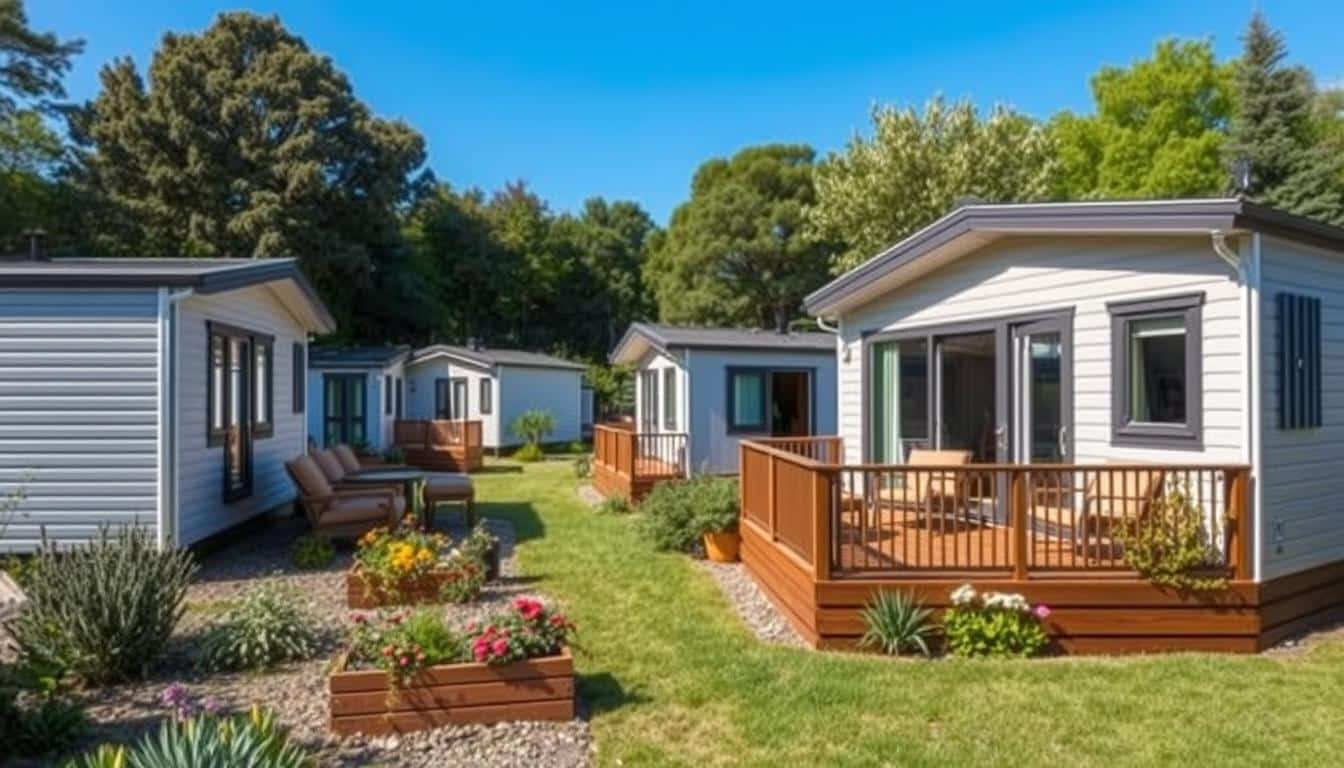
Modular homes have often faced skepticism from potential buyers and the general public alike. Many people harbor misconceptions about their quality, value, and resale potential. With the stigma surrounding modular homes, prospective buyers often wonder if they can indeed resell their modular home for a profit. Understanding the factors that influence the resale value of modular homes is crucial for anyone considering this type of housing.
In this blog post, we will explore the reality of reselling modular homes, debunk common myths, and provide insights into maximizing resale value. If you’re interested in exploring your options, check out the available homes that fit your needs.
Understanding Modular Homes
What is a Modular Home?
A modular home is constructed in sections, or modules, in a factory setting before being transported to the site for assembly. Unlike manufactured homes, modular homes are built to local building codes and standards, making them comparable in quality to traditional site-built homes. This distinction is crucial as it contributes to the overall perception and resale potential of modular homes.
The Stigma Explained
The stigma surrounding modular homes often stems from misconceptions about their quality and longevity. Many people mistakenly believe that modular homes are inferior to traditional homes or that they will depreciate more quickly. This perception can impact the resale market, making it essential to address these concerns.
Factors Affecting Resale Value
1. Quality of Construction
The quality of construction plays a significant role in the resale value of any home, including modular homes. Homes built by reputable manufacturers using high-quality materials often appreciate better over time. Buyers should research manufacturers and choose a home that meets their quality standards.
2. Location, Location, Location
Like traditional homes, the location of a modular home significantly affects its resale value. Homes situated in desirable neighborhoods with good schools and amenities will typically have higher resale values. Additionally, land ownership can enhance the overall value, as land often appreciates over time.
3. Market Trends
Real estate market trends also influence the resale value of modular homes. In a robust housing market, buyers may be more willing to consider modular homes, increasing their potential resale value. Conversely, in a sluggish market, modular homes may face more challenges in attracting buyers.
4. Upgrades and Customizations
Investing in upgrades and customizations can significantly impact a modular home’s resale value. Features like modern kitchens, energy-efficient appliances, and upgraded flooring can make the home more appealing to potential buyers. Additionally, keeping the home well-maintained and aesthetically pleasing can enhance its marketability.
5. Financing Options
Financing can also affect the resale potential of modular homes. Some lenders may have different requirements for modular homes compared to traditional homes, impacting the pool of potential buyers. Understanding financing options and ensuring your home meets lender requirements can help facilitate a smoother resale process.
Myths vs. Reality
Myth: Modular Homes Never Appreciate
One of the most pervasive myths about modular homes is that they do not appreciate in value. While it’s true that modular homes may not appreciate as quickly as traditional homes in some markets, many modular homes do see value increases, especially if they are well-constructed and maintained.
Myth: Modular Homes are Low Quality
Another common misconception is that modular homes are of low quality. In reality, modular homes are built to strict building codes and can be just as durable and high-quality as site-built homes. Understanding this can help mitigate the stigma associated with modular homes.
Myth: Reselling is Difficult
Many believe that reselling a modular home is challenging due to its stigma. While it may take some effort to educate potential buyers about the benefits of modular homes, many people are open to considering them, especially if they are located in desirable areas and are well-maintained.
Maximizing Resale Value
1. Keep Up with Maintenance
Regular maintenance is crucial for preserving the value of your modular home. Addressing issues as they arise and keeping the property in good condition will make it more appealing to potential buyers.
2. Upgrade Strategically
Investing in strategic upgrades can significantly enhance resale value. Focus on areas that buyers prioritize, such as kitchens and bathrooms, to maximize your investment.
3. Work with a Real Estate Agent
Collaborating with a knowledgeable real estate agent who understands the modular home market can assist you in pricing your home competitively and marketing it effectively.
4. Highlight the Benefits
When selling your modular home, be sure to highlight its benefits, such as energy efficiency, modern design, and lower utility costs. Educating potential buyers about the advantages of modular living can help overcome preconceived notions.
5. Utilize Online Platforms
In today’s digital age, utilizing online platforms to showcase your home can increase visibility and attract potential buyers. High-quality photos and detailed descriptions can make a significant difference.
FAQs About Reselling Modular Homes
Yes, modular homes can appreciate in value, especially if they are well-maintained and located in desirable areas.
While there may be some stigma associated with modular homes, educating potential buyers about their benefits can help facilitate the selling process.
Upgrades in kitchens, bathrooms, energy-efficient appliances, and modern finishes can significantly enhance resale value.
Yes, many lenders offer financing options for modular homes, typically similar to those for traditional homes.
Highlighting its benefits, utilizing online platforms, and working with an experienced real estate agent can help market your modular home effectively.
Conclusion
The stigma surrounding modular homes can create challenges for buyers and sellers alike. However, understanding the factors that influence resale value can empower homeowners to make informed decisions. Modular homes can be a viable investment, and with the right approach, they can appreciate in value over time.
By addressing misconceptions, focusing on quality, and strategically enhancing your home, you can maximize your resale potential. If you’re ready to explore your options, don’t forget to check the available homes that meet your needs. With the right knowledge and preparation, you can successfully navigate the modular home market.
Apart from that, if you want to know about Green Home Grants and How They Affect Property Value then please visit our Real Estate category.