
In the digital age, content creation has become a cornerstone of communication, entertainment, and education. The tools and platforms available today have democratized the process, allowing anyone with an internet connection to produce and share their work with the world. This evolution has led to a surge in creativity and innovation, transforming how we consume and interact with media.
The Rise of Video Content
One of the most significant developments in digital content creation is the rise of video. Platforms like YouTube, TikTok, and Instagram have made it easier than ever to create and share video content. Whether it’s a short clip, a vlog, or a full-length documentary, video has become the preferred medium for many creators and audiences alike.
The accessibility of video editing tools has played a crucial role in this trend. Software like Adobe Premiere Pro, Final Cut Pro, and even free options like iMovie have made it possible for anyone to edit and produce high-quality videos. For those looking to trim video online, there are numerous web-based tools that offer simple and effective solutions without the need for complex software.
The Impact of Social Media
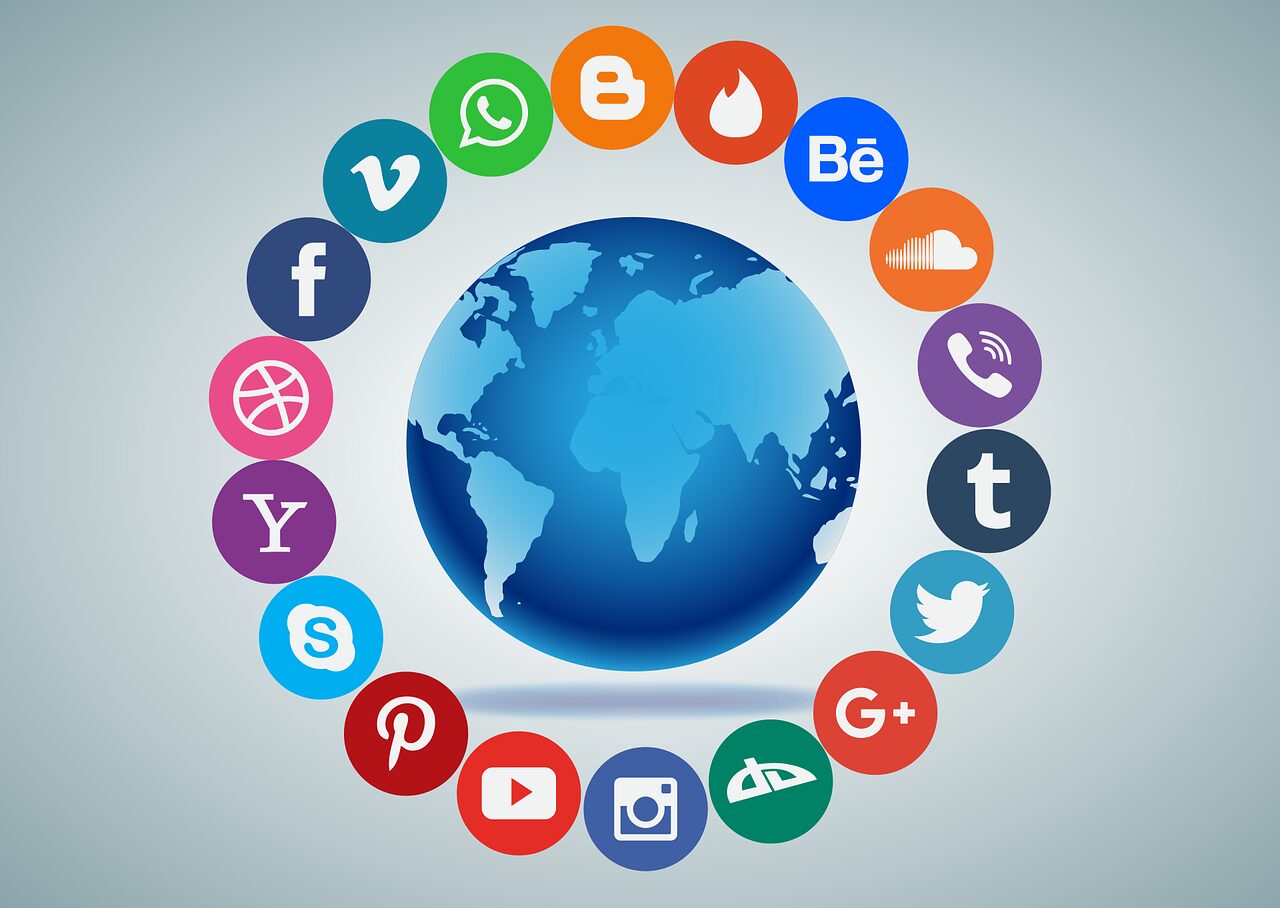
Social media has revolutionized the way we create and consume content. Platforms like Facebook, Twitter, and LinkedIn have become essential tools for sharing information, building communities, and engaging with audiences. The ability to reach a global audience with just a few clicks has opened up new opportunities for creators, businesses, and influencers.
Moreover, social media has fostered a culture of collaboration and interaction. Creators can engage directly with their followers, receive feedback, and adapt their content based on audience preferences. This two-way communication has led to more personalized and relevant content, enhancing the overall user experience.
The Future of Digital Content Creation
As technology continues to advance, the future of digital content creation looks promising. Artificial intelligence and machine learning are already being integrated into content creation tools, offering features like automated editing, voice-over generation, and even content suggestions.
Virtual and augmented reality are also poised to transform the landscape. These technologies provide immersive experiences that blur the lines between the digital and physical worlds, opening up new avenues for storytelling and engagement.
In conclusion, the evolution of digital content creation has been rapid and transformative. From the rise of video content to the impact of social media, the tools and platforms available today have made it possible for anyone to create and share their work with the world. As technology continues to advance, the future of digital content creation looks brighter than ever, promising even more innovative and engaging experiences.