


Steve Wright’s
The Steve Wright’s cause of death has drawn significant attention worldwide, as fans mourn the loss of one of Britain’s most iconic radio broadcasters. Steve Wright, the legendary BBC presenter, passed away suddenly in February 2024, with the official cause of death confirmed as a perforated gastric peptic ulcer leading to acute peritonitis, a severe abdominal infection.
This tragic condition, which occurs when an untreated ulcer ruptures, resulted in fatal complications. His passing was described by authorities as “unexpected but not suspicious,” adding to the shock among listeners who had grown up hearing his voice.
The cause of Steve Wright’s Death has since sparked public discussion about health awareness and the hidden dangers of digestive complications. Beyond his death, Wright’s influence on broadcasting remains profound. His creative brilliance, warmth, and humor shaped the golden era of British radio. From his groundbreaking show Steve Wright in the Afternoon to his lasting mark on BBC programming, Wright’s legacy continues to live on through the countless lives he touched with his voice and storytelling.
| Category | Details |
| Full Name | Steve Wright |
| Date of Birth | August 26, 1954 |
| Place of Birth | Greenwich, London, England |
| Date of Death | February 2024 |
| Place of Death | Marylebone, Central London |
| Age at Death | 69 years |
| Steve Wright’s Cause of Death | Perforated gastric peptic ulcer leading to acute peritonitis |
| Occupation | Radio and Television Broadcaster |
| Years Active | 1970s–2024 |
| Notable Shows | Steve Wright in the Afternoon, Top of the Pops |
| Major Employer | BBC Radio 1 and BBC Radio 2 |
| Marital Status | Married twice |
| Children | Three |
| Known For | Innovative radio presentation style, humor, and audience engagement |
| Education | Local schools in London excelled in English and drama |
| Philanthropy | Supported various charitable causes and community initiatives |
| Interests | Music, vinyl collecting, football, family time |
| Legacy | Influenced future broadcasters and redefined British radio entertainment |
| Final Resting Memory | Remembered as a cultural icon and beloved voice of British broadcasting |
Steve Wright’s Cause of Death

Steve Wright’s cause of death was officially listed as a perforated gastric peptic ulcer, which led to acute peritonitis—a dangerous infection of the abdomen’s lining.
The certificate indicated the ulcer had ruptured, allowing bacteria to infect the abdominal cavity, a condition requiring urgent medical treatment.
Police described his sudden death in February 2024, which occurred in his central London flat in Marylebone, as ‘unexpected but not suspicious.”
Early Life and Background
Steve Wright was born on August 26, 1954, in Greenwich, London. Growing up in a working-class family, his vibrant cultural environment fostered his love for music and entertainment. From a young age, Wright showed an interest in radio and broadcasting, inspired by the popular DJs of the time.
Personal Life
Steve Wright’s down-to-earth personality and strong sense of family made him well known. He married twice and often spoke affectionately about his three children. Wright valued his family life and maintained a balance between his professional commitments and personal relationships.
Education and Early Interests
Wright attended local schools where he excelled in English and drama, showcasing his early affinity for communication and performance. His passion for music and radio blossomed during his teenage years, leading him to pursue a career in broadcasting. After completing his education, Wright took on various jobs, including working in a local record store, which further deepened his music appreciation.
Career in Broadcasting
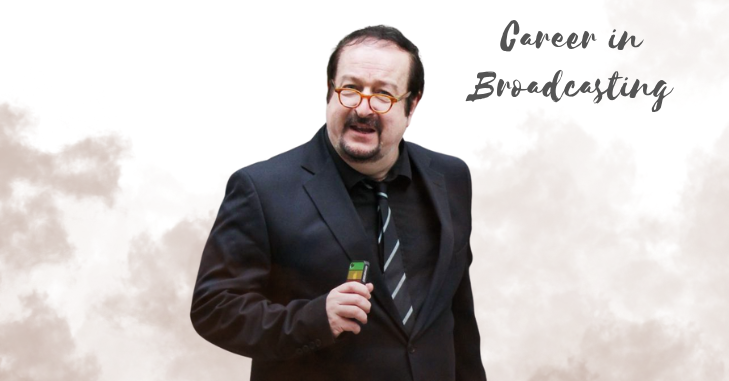
Steve Wright’s career in broadcasting began in the 1970s, when he secured his first job at a local radio station. His distinctive voice and engaging personality quickly caught the attention of listeners, paving the way for a successful radio career.
Early Radio Career
Wright’s early work included stints at various regional radio stations, where he honed his skills as a presenter. His big break came when he joined BBC Radio 1 in 1980. His innovative approach to radio programming, characterized by humor and a relaxed style, set him apart from his contemporaries.
The Steve Wright in the Afternoon Show

In 1981, Wright launched “Steve Wright in the Afternoon,” a groundbreaking radio show that became immensely popular in the UK. The program combined music, interviews, and comedy, creating a unique format that resonated with listeners. Wright’s ability to connect with guests and engage the audience made the show a staple of afternoon radio.
The show’s success was marked by its memorable segments, including the “Oldies but Goldies” feature, which showcased classic hits from past decades. Wright’s infectious enthusiasm and signature catchphrases endeared him to fans, establishing him as a household name.
Transition to Television
In addition to his radio career, Wright ventured into television, hosting various programs that showcased his charismatic personality. He presented shows such as “Top of the Pops,” where he brought his unique flair to music television. Wright’s appearances on TV further expanded his reach and popularity, allowing him to connect with a broader audience.
Return to Radio
After a successful period in television, Wright returned to radio, continuing to host “Steve Wright in the Afternoon” and experimenting with new formats. His ability to adapt to changing trends in broadcasting ensured his relevance in the evolving media landscape. Wright’s enduring popularity was a testament to his talent and dedication to his craft.
Interests and Hobbies

- Steve Wright had a deep passion for music, which played a major role in shaping his broadcasting career.
- He was an enthusiastic collector of vinyl records and often shared his music interests with his listeners.
- Wright’s hobbies extended beyond radio; he loved sports, especially football.
- He was a loyal supporter of his local football team and frequently mentioned it in his shows.
- His innovative style transformed radio broadcasting and influenced its modern format.
- Wright’s work left a lasting legacy on both radio and television in the UK.
- He inspired a generation of broadcasters with his humor, creativity, and authenticity.
- Many presenters today credit him as an influence in their professional journeys.
- His ability to connect with guests and audiences set him apart as a true broadcasting pioneer.
- Even after his passing, Wright’s shows and catchphrases continue to be celebrated.
- His contributions remain a benchmark for excellence in British entertainment.
Conclusion
Steve Wright was more than just a broadcaster; he was a cultural icon who brought joy and laughter to countless lives. His career, marked by innovation and charisma, left a lasting impact on the world of radio and television. As we remember Wright, we celebrate his contributions to the arts and the legacy of happiness he leaves behind. His life serves as a reminder of the power of connection through storytelling and the importance of embracing one’s passion.
Want to know about Nick Berry Net Worth Check out our Entertainment category.
FAQs
The certificate stated that the causes of death were acute peritonitis and a perforated gastric peptic ulcer. Peritonitis is an infection of the lining of the abdomen. Wright joined the corporation in the 1970s and hosted programmes, including the popular afternoon shows on BBC Radio 1 and 2.
In 1985, Wright married Cyndi Robinson; they divorced in 1999. He is survived by their children, Tom and Lucy, his father, and his brother, Laurence.
Wright died on 12 February 2024, aged 69, at his home in Marylebone, London. The London Ambulance Service responded to an incident at 10:07 that morning; Wright was pronounced dead at the scene.