
Understanding Fall Hazards
When working at heights, the risk of falling is significant. It’s important to identify potential risks, assess hazards thoroughly, and understand the necessary fall protection equipment required for safety.
Identifying Potential Risks
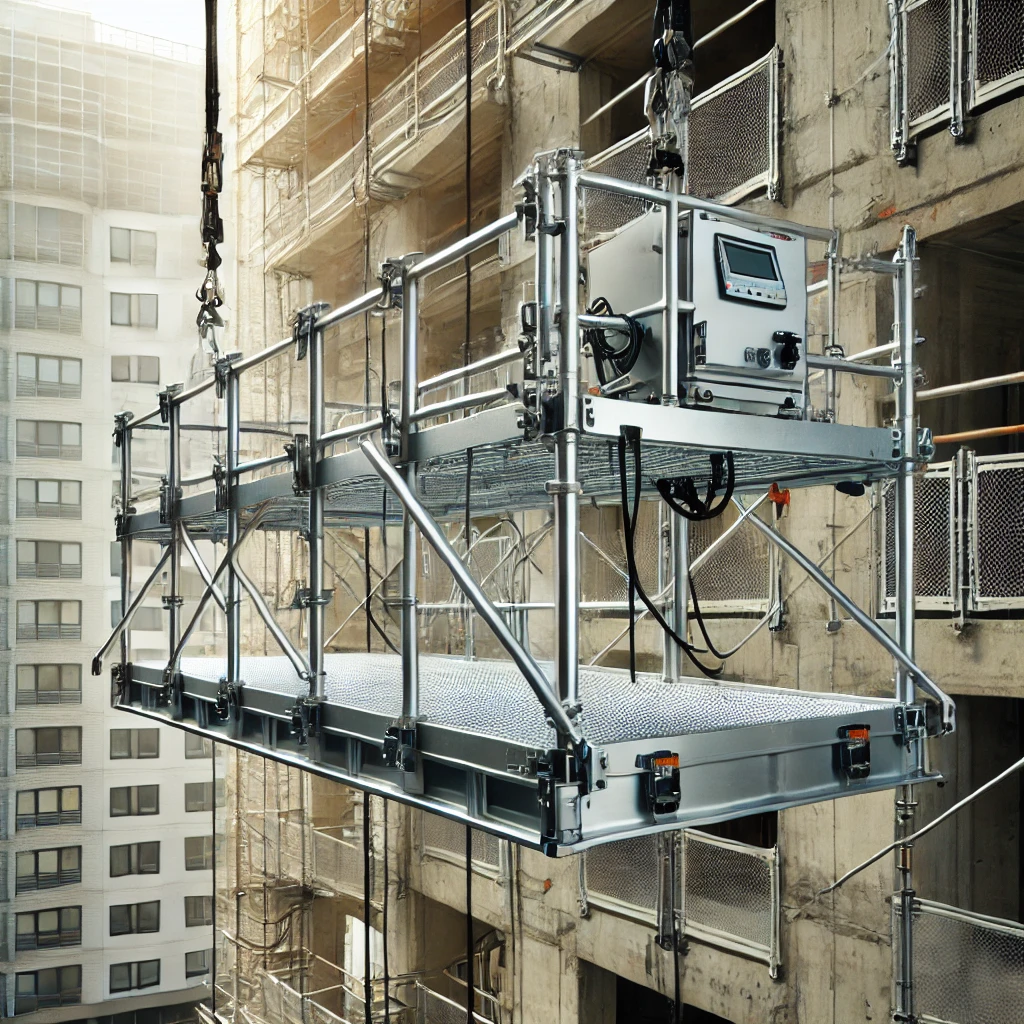
Working at heights often involves numerous risks that need attention. Leading edges, such as rooftops or suspended platform, pose great threats. Construction sites frequently have these hazardous zones.
Slippery or unstable surfaces are another danger. Wet or cluttered stairs can easily lead to falls. It’s essential to identify unsafe conditions quickly.
Make a checklist of potential fall hazards to guide you. Use this list during daily safety briefs to remind you and your team of specific risks present in your work area.
Conducting Hazard Assessments
Conducting hazard assessments regularly is crucial for safety. Start by examining the environment you’re working in. Look for fall hazards like unprotected edges or fragile surfaces susceptible to breaking.
Assessments are not a one-time task. They should be scheduled consistently, especially when the workspace changes, like when new equipment arrives. A methodical assessment allows you to address safety gaps.
Document every hazard you spot. This record helps track safety concerns over time and ensures ongoing awareness among all workers.
Recognizing Fall Protection Requirements
Recognizing fall protection requirements is essential to prevent accidents. OSHA guidelines specify when and what type of protection is needed. For general industry workplaces, barriers are needed at four feet or more, and construction areas require them at six feet.
Personal protective equipment (PPE) such as harnesses is important for worker safety at heights. Inspect these items regularly to ensure they’re in good condition and reliable.
Training sessions on the use of PPE and other equipment help ensure that you and your team stay informed on maintaining high safety standards. Ensure everyone knows how to properly use safety gear, contributing to a safer workplace.
Training and Compliance
When working at heights, it’s vital to focus on safety training, maintaining accurate training records, and adhering to OSHA compliance standards. These steps ensure a safe working environment for everyone involved.
Safety Training Essentials
Effective safety training is a cornerstone of working safely at heights. It’s important for you to understand fall hazards and learn how to use fall protection systems properly. Training should cover ladder safety, scaffold safety, and working with aerial lifts.
Hands-on practice helps reinforce skills and promotes confidence. Regular updates and refreshers will keep your knowledge current. By prioritizing these essentials, you minimize risks and make the workplace safer.
Maintaining Training Records
Keeping detailed training records is not just a formality; it’s an essential part of ensuring safety. These records show that you have completed necessary courses and updates. They should include the dates of training sessions, topics covered, and instructors’ names.
Maintaining accurate records helps identify when training is due for renewal. Plus, it provides evidence of compliance should it ever be needed. This ensures that both you and your employer are protected.
Ensuring OSHA Compliance
OSHA compliance is a must for safe operations when working at heights. You need to know the specific requirements set by OSHA, as they dictate the standards for safety measures and training. OSHA mandates fall protection for specific work environments like general industry, shipyards, and construction.
To stay compliant, follow OSHA’s guidelines closely, including using the right protective gear and safety procedures. Regularly reviewing and updating training materials to align with OSHA standards is key. By doing this, you ensure that safety is always a top priority.
Fall Protection Systems
When working at heights, it’s crucial to use equipment and methods designed to keep you safe. This includes personal fall arrest systems, guardrail systems, and safety nets.
Using Personal Fall Arrest Systems
Personal fall arrest systems (PFAS) are important tools for protecting yourself when working above ground level. These systems include a full-body harness, a connecting device, and an anchorage point. Each part must work correctly to keep you safe in the event of a fall.
When using a PFAS, make sure the harness fits securely and is comfortable. The connecting device, like a lanyard or self-retracting lifeline, should be inspected for damage regularly. It’s important to connect it to a stable anchorage point capable of supporting the potential force of a fall. Ensure that all components are compatible and meet safety standards.
Implementing Guardrail Systems
Guardrail systems act as a physical barrier to prevent falls. These can be temporary setups on construction sites or permanent fixtures in buildings. Guardrails are essential around open edges or areas where there’s a risk of falling.
A typical guardrail includes top rails and mid-rails. The top rail should be about 42 inches high, while the mid-rail is positioned halfway. Make sure guardrails are not easily dislodged and are constructed with materials strong enough to withstand impact. By keeping the area secured with guardrails, you reduce the chance of accidents.
Deploying Safety Nets and Equipment
Safety nets are placed beneath work areas to catch you if you fall. These are especially useful when it’s not possible to use other forms of fall protection. Safety nets must be installed as close as possible beneath the work area, usually not more than 30 feet below where you are working.
Before using a safety net, check it for any damage or worn areas. The mesh size and material should meet industry standards. Remember, safety nets are a backup option and should be combined with other safety measures whenever possible. Comprehensive protection involves using well-maintained equipment, including all harnesses and nets.
Personal Protective Equipment (PPE)
When working at heights, it’s crucial to have the right PPE to ensure safety and prevent accidents. This includes selecting the correct equipment, using safety harnesses properly, and understanding anchor points and load ratings.
Selecting Appropriate PPE
Choosing the right personal protective equipment is vital for your safety. You need gear that fits well and is appropriate for the tasks you’re performing. Common PPE includes helmets, gloves, and safety harnesses.
A full-body harness offers support and protects you from fall-related injuries. Make sure any PPE you select is compliant with safety standards and is inspected regularly for wear and tear.
Keep an eye out for any damage or signs of wear on your equipment. Damaged PPE should be replaced immediately to ensure safety. Don’t forget to check the load rating of your gear, so it can support your weight and the tools you might be carrying.
Proper Use of Safety Harnesses
Using a safety harness correctly can be the difference between a fall and staying secure. Always fasten the harness snugly and adjust the straps for comfort and safety.
Connect the lanyard to an appropriate anchor point that is certified and can support the necessary load. It’s important to practice using your harness before starting your job.
If you’re not sure how to use the harness, ask someone more experienced or refer to the manufacturer’s guide. Remember, confidence in using your safety gear can greatly reduce risk.
Understanding Anchor Points and Load Ratings
Anchor points are essential for height safety systems. They provide a secure spot to attach your harness, helping prevent falls. Always choose certified anchor points that fit the job at hand.
The load rating of these points tells you how much weight they can safely support, so ensure it matches your needs. Never assume an anchor point is safe without checking its rating first.
Keep in mind that anchor points should be used only as specified by safety guidelines. If unsure, always consult a professional for guidance. Ensuring you have the right setup keeps you secure and focused on your work.
Emergency Preparedness and Procedures
When working at heights, having a plan for emergencies is vital. Knowing how to act quickly and correctly can save lives. It’s important to have clear rescue procedures and protocols for evacuation and medical care. By being ready, you protect yourself and others.
Planning for Emergencies
To keep everyone safe, your emergency preparedness plan should include detailed instructions. First, identify potential hazards that could lead to falls. Conduct regular drills to ensure that everyone knows what to do in case of an emergency. Create a communication system, like a loudspeaker or two-way radios, so you can talk to your team easily.
Keep first aid kits close and make sure they’re well-stocked. Everyone should know where these kits are and how to use them. Having a trusted leader or team responsible for safety can help manage emergencies efficiently. Reviewing your plan regularly ensures that it’s updated and effective.
Effective Rescue Procedures
Having a solid rescue plan is just as important as preventing falls. Quick response is key if someone falls and needs immediate help. Train team members to use rescue equipment, like ropes and harnesses, safely. Practice these rescue procedures so everyone knows their role.
Designating a rescue team ensures that trained individuals can act swiftly. They should be familiar with the fall protection plan and how to adjust it if needed during a rescue. You should also have a backup plan in case initial efforts are not successful. Encourage open communication so everyone feels comfortable asking for help or clarification.
Evacuation and Medical Care Protocols
In the event of an emergency, knowing how to evacuate safely is crucial. Mark exits clearly and ensure pathways remain unobstructed for a smooth exit. Establish a location where everyone can meet after evacuation to take a head count.
Plan for situations requiring medical care. Know the location of local medical facilities or have contacts ready for emergency services. Providing basic medical training to workers can be beneficial. Encourage everyone to report any injuries or incidents, no matter how minor they seem, to avoid complications later.
Advanced Protective Strategies
When working at heights, it’s important to use the right safety gear and techniques. By focusing on fall restraint systems, managing swing falls, and using the hierarchy of controls, you can improve job safety.
Exploring Fall Restraint Systems
Fall restraint systems are designed to stop you from reaching the edge of a fall hazard. By using these systems, you can safely move around without risking a fall. Anchor points are essential, as they secure the system in place. A good system includes harnesses and body belts.
With the right equipment, like a self-retracting lanyard or a shock absorber, your movement is controlled while keeping you safe. Check your equipment regularly and follow the manufacturer’s instructions to ensure all gear is in top condition. Training on proper use is also crucial, making sure everyone on the team knows how to work safely with restraint systems.
Manage Swing Falls and Pendulum Effects
Swing falls and the pendulum effect can be dangerous when you’re working at heights. These happen if your anchor point is not directly above you. Moving away from your anchor could cause you to swing like a pendulum if you fall.
To minimize risks, keep anchor points high and adjust as you move. It’s important to choose an appropriate work positioning system to limit movement. Safeguard against swinging by assessing all possible fall paths and using control measures to protect yourself and others. Installing guardrails and setting up controlled access zones can greatly reduce hazards in work areas.
Hierarchy of Controls in Fall Protection
The hierarchy of controls helps you tackle fall hazards in order of effectiveness. Start with elimination—removing hazards completely. If that’s not possible,substitute safer options or use engineering controls like barriers and railings to prevent falls.
Next are administrative controls: change how people work to reduce risks. Provide training and supervision to ensure everyone uses safety measures correctly. Personal protective equipment (PPE), such as harnesses and helmets, is the last line of defense. Properly using PPE can help protect you when other controls are not possible. Understanding and applying the hierarchy of controls helps manage risks efficiently, ensuring a safer work environment for everyone involved.
Apart from that if you want to know about “Beginner’s Guide to Management Consulting Jobs: Unveil About Their Salary, Scope, and Career Path” then please visit our “Business” Category.