

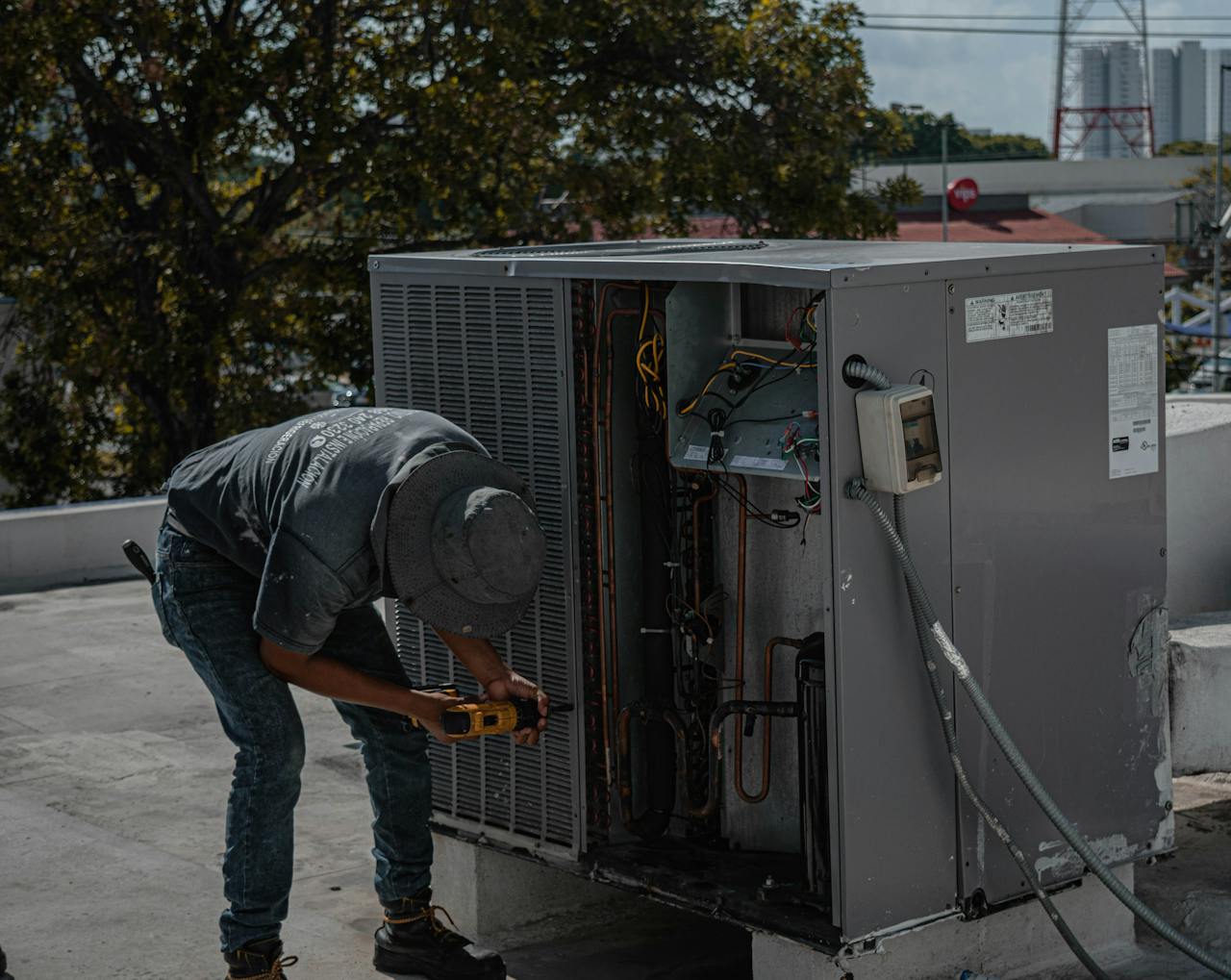
When it comes to creating a comfortable living environment, home air conditioning is no longer a luxury, it’s a necessity. Especially in regions with sweltering summers or unpredictable weather patterns, a reliable air conditioning system makes a significant difference. However, the comfort and efficiency of your cooling system largely depend on one crucial factor.
Proper installation of your heating, ventilation, and air conditioning (HVAC) system ensures energy efficiency, system longevity, and most importantly, indoor comfort. Whether you’re replacing an outdated unit or installing a brand-new system in a new home, understanding the process and best practices of HVAC installation can save you time, money, and future headaches.
What is HVAC Installation?
HVAC installation refers to the complete setup of a heating and cooling system in a residential or commercial space. It involves sizing and selecting the right equipment, connecting ductwork (if necessary), calibrating thermostats, and ensuring proper ventilation. This installation can include systems like:
- Central air conditioners
- Ductless mini-split systems
- Heat pumps
- Furnaces with integrated AC
- Hybrid systems
For home air conditioning, the most common HVAC installations are central air and split systems, both of which require professional expertise for optimal results.
Why Proper HVAC Installation Matters
Many homeowners focus primarily on the type and brand of air conditioning units, often overlooking the importance of correct installation. Even the best equipment will underperform if not installed properly. Here’s why proper HVAC installation is critical:
- Energy Efficiency: An improperly installed unit can consume more energy, resulting in higher utility bills and unnecessary strain on the system.
- System Longevity: Incorrect sizing or poor connections can cause frequent breakdowns, shortening the lifespan of your HVAC system.
- Indoor Comfort: From uneven cooling to poor air quality, installation mistakes can compromise the comfort of your home.
- Safety and Compliance: HVAC systems must meet building codes and safety standards. Professional installation ensures your system is up to code.
The HVAC Installation Process: Step-by-Step
Here’s a general breakdown of what homeowners can expect during a professional HVAC installation:
1. Initial Assessment
A certified HVAC technician will inspect your home to determine your cooling needs. This includes evaluating square footage, insulation, number of rooms, existing ductwork, and other factors that influence system size and efficiency.
2. System Sizing
Using Manual J load calculation, the technician will determine the right size for your home air conditioning unit. Oversized units may cool too quickly without dehumidifying, while undersized units can run constantly and still not cool adequately.
3. Equipment Selection
Based on your needs and budget, the contractor will recommend suitable HVAC systems, including energy-efficient models with ENERGY STAR certification.
4. Installation of Components
This step includes setting up:
- Indoor and outdoor units
- Ductwork or refrigerant lines
- Thermostats
- Electrical wiring
- Condensate drain lines
Each component must be installed precisely to ensure optimal performance.
5. System Testing
After installation, the technician tests the system to verify cooling performance, airflow, refrigerant levels, and thermostat functionality.
6. Homeowner Education
A reputable HVAC company will walk you through how to operate and maintain the system, including filter replacement schedules and energy-saving tips.
How to Prepare for HVAC Installation
Here are a few steps you can take as a homeowner to make the HVAC installation process smooth:
- Clear Access: Ensure access to all areas the technicians will need to reach, including attics, basements, or outdoor units.
- Ask Questions: Clarify details about warranties, maintenance plans, and energy-saving features.
- Check Credentials: Always hire licensed, insured, and experienced HVAC professionals with good local reviews.
HVAC Installation Costs
The cost of HVAC installation can vary significantly based on the type of system, home size, complexity of ductwork, and local labor rates. On average, homeowners can expect to spend between $5,000 and $12,000 for a complete home air conditioning installation. While this may seem like a hefty investment, it pays off in long-term energy savings and improved home value.
Apart from that, if you are interested to know about “Stay Cool and Comfortable: A Guide to Air Conditioning Installation in UK Homes” then visit our “Home Improvement” category.
Conclusion
HVAC installation is one of the most important steps in setting up a reliable and energy-efficient home air conditioning system. It’s not just about choosing the right unit, but ensuring it’s installed properly to meet your specific home’s requirements. A well-installed HVAC system not only provides year-round comfort but also helps you save on energy costs and future repairs.
When planning your next installation, work with qualified professionals, ask the right questions, and prioritize efficiency. With the right approach, your home will stay cool and comfortable for years to come.