

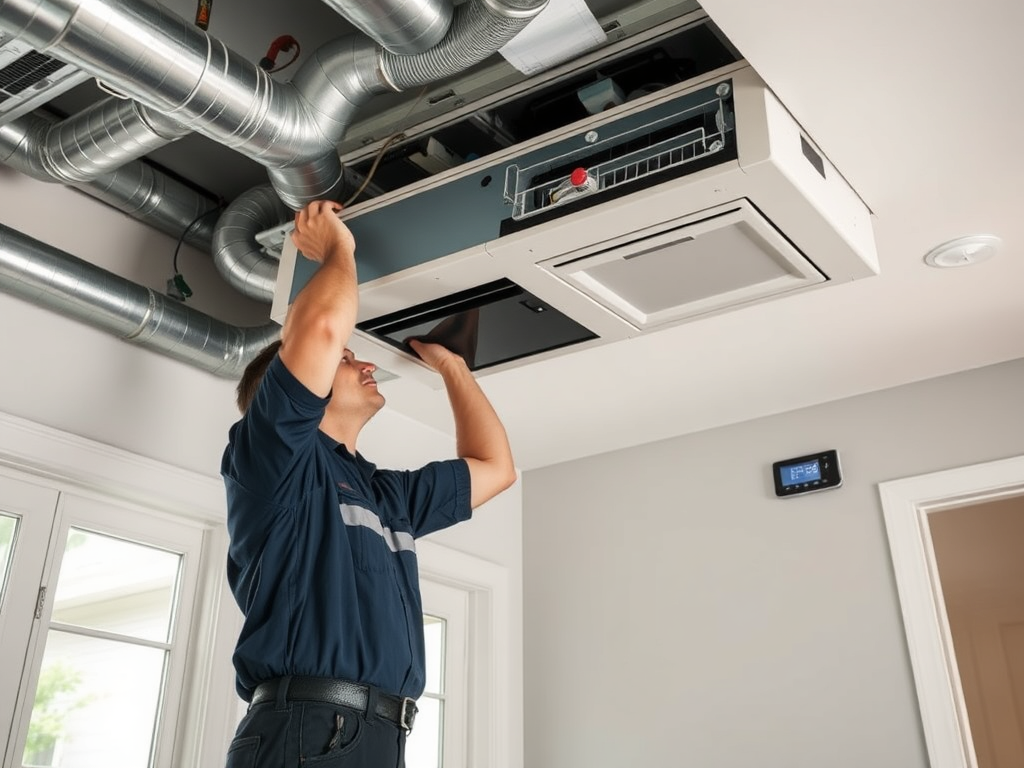
In today’s world, where indoor comfort is more important than ever, HVAC installation plays a crucial role in maintaining a balanced environment in homes, offices, and commercial buildings. HVAC stands for Heating, Ventilation, and Air Conditioning—a complete system designed to regulate temperature, air quality, and humidity throughout a property.
Whether you’re building a new home or upgrading an old system, understanding the importance of proper HVAC installation and how it connects to air conditioning installation is vital to ensure efficiency, comfort, and long-term value.
What is HVAC Installation?
HVAC installation refers to the process of fitting a building with a heating, ventilation, and cooling system. This includes components such as furnaces, air conditioners, ductwork, thermostats, and air filters. A properly installed HVAC system ensures:
- Comfortable indoor temperatures year-round
- Clean, filtered air free of dust and allergens
- Energy-efficient heating and cooling
- Humidity control and ventilation
Every property is different, and a well-designed HVAC system is tailored to meet the specific size, layout, and usage of a building.
The Role of Air Conditioning Installation in HVAC Systems
While HVAC covers the full spectrum of climate control, air conditioning installation is a major component. AC systems are responsible for cooling indoor spaces during warmer months, and when integrated with the rest of the HVAC system, they provide seamless comfort and control.
Air conditioning units can be part of a central HVAC system (such as a ducted system), or they can be standalone split or multi-split systems. In either case, professional air conditioning installation ensures the AC performs efficiently and safely.
Why Professional HVAC Installation Matters
Installing an HVAC system is a complex process that involves more than just placing units and connecting wires. It requires in-depth knowledge of building structure, airflow, and energy requirements. Here’s why hiring licensed professionals is essential:
Correct Sizing and Design
An HVAC system must be appropriately sized for the space it provides. A system that’s too small won’t cool or heat effectively, while one that’s too large will waste energy and increase costs.
Efficient Airflow
Ductwork must be designed to deliver consistent air throughout the property. Poor duct design or placement can lead to uneven temperatures and higher energy bills.
Energy Efficiency
Professional installers understand how to optimize systems for energy savings, including proper insulation, smart thermostats, and zoning options.
Compliance and Safety
HVAC technicians follow building codes and safety standards, ensuring the system is installed legally and safely. This includes handling refrigerants and electrical connections properly.
The HVAC Installation Process
Every HVAC installation project follows a general process, though specifics may vary:
- Site Assessment
Technicians assess the property, noting insulation levels, square footage, windows, and layout. - System Selection
Based on the assessment, they recommend the best heating and cooling systems for the space. - Ductwork Installation or Modification
If needed, ductwork is installed or updated to accommodate the new system. - Air Conditioning Installation
The AC unit, whether central or split system, is installed and connected to the HVAC system. - Thermostat Setup
Smart or programmable thermostats are added to manage temperatures more efficiently. - Testing and Final Checks
The system is tested for proper operation, airflow, and efficiency before handover.
Maintenance After Installation
To get the most from your new HVAC system, regular maintenance is essential. This includes:
- Changing or cleaning air filters every 1–3 months
- Scheduling annual inspections
- Checking ductwork for leaks or blockages
- Ensuring thermostat settings are calibrated
Routine maintenance helps extend the life of your system and ensures optimal performance year-round.
Conclusion
A well-executed HVAC installation is the backbone of a comfortable, energy-efficient indoor environment. Whether you’re installing a system in a new property or replacing an outdated one, investing in professional services ensures your air conditioning installation and heating components work seamlessly together.
From design to installation and maintenance, choosing the right HVAC professionals will give you peace of mind—and the perfect indoor climate no matter the season.