


Introduction
Wholegrain bread is a staple in many households and a popular choice for those seeking a healthier lifestyle. Unlike refined white bread, which is made from processed flour, wholegrain bread is packed with nutrients, fiber, and essential vitamins. In this article, we will dive into what the healthiest wholegrain bread is, its benefits, how it differs from other types of bread, and why you should include it in your diet.
| Category | Details |
|---|---|
| Definition | Wholegrain bread is made from flour that contains all parts of the grain, including the bran, germ, and endosperm. |
| Nutritional Profile | Wholegrain breads are higher in fiber, vitamins, minerals, and phytochemicals compared to refined breads. |
| Fiber Content | Wholegrain breads are an excellent source of dietary fiber, providing around 3-5 grams per slice. |
| Whole Grains Used | Common whole grains used in wholegrain bread include whole wheat, rye, oats, barley, and spelled. |
| Health Benefits | Common whole grains used in wholegrain bread include whole wheat, rye, oats, barley, and spelt. |
| Texture and Taste | Wholegrain breads tend to have a heartier, nuttier flavor and a slightly denser, chewier texture compared to refined breads. |
| Availability | Wholegrain breads are widely available in grocery stores, bakeries, and specialty health food shops. |
| Recommended Intake | Health organizations recommend making at least half of all grain servings from whole grains for optimal health. |
| Preparation Tips | Wholegrain breads can be enjoyed fresh, toasted, or used in a variety of recipes like sandwiches, toast, and breadcrumbs. |
What Is Healthiest Wholegrain Bread?
Wholegrain bread is made from whole grains that contain all three parts of the grain kernel: the bran, germ, and endosperm. This makes it a more nutritious option compared to white or refined bread, which only contains the endosperm. Whole grains are minimally processed, retaining more nutrients and providing more health benefits.
The grains used in wholegrain bread can vary but commonly include wheat, barley, rye, oats, and corn. Each of these grains contributes its unique flavor and nutritional profile, making wholegrain bread a versatile and wholesome food.
How does Wholegrain Bread Differ from White Bread?
The primary difference between wholegrain bread and white bread lies in the milling process. White bread is made from refined grains, where the bran and germ are removed, leaving only the starchy endosperm. While this process results in a softer texture, it also strips away many of the essential nutrients and fiber.
In contrast, wholegrain bread keeps the entire grain intact, offering more nutrients like fiber, vitamins, and minerals. The texture of wholegrain bread may be denser and chewier, but it provides a fuller, more satisfying taste.
Healthiest Wholegrain Bread
Wholegrain bread is lauded for its numerous health benefits, making it a smart choice for individuals of all ages. Below are some key health advantages of incorporating wholegrain bread into your diet:
- Rich in Fiber: One of the standout benefits of wholegrain bread is its high fiber content. Fiber plays a crucial role in promoting healthy digestion, preventing constipation, and maintaining a balanced gut microbiome.
- Supports Heart Health: Whole grains have been shown to reduce the risk of heart disease. The fiber, antioxidants, and healthy fats found in whole grains help lower cholesterol levels and improve overall cardiovascular health.
- Aids in Weight Management: The fiber in wholegrain bread can help you feel fuller for longer, reducing the likelihood of overeating. It also helps regulate blood sugar levels, making it a great option for people trying to maintain a healthy weight.
- Rich in Nutrients: Wholegrain bread is packed with essential nutrients such as B vitamins (especially folate), iron, magnesium, and zinc. These nutrients are critical for energy production, immune function, and maintaining strong bones.
- Lowers Risk of Chronic Diseases: Regular consumption of wholegrain bread has been linked to a reduced risk of various chronic conditions, including type 2 diabetes, stroke, and certain types of cancer.
The Role of Fiber in Wholegrain Bread
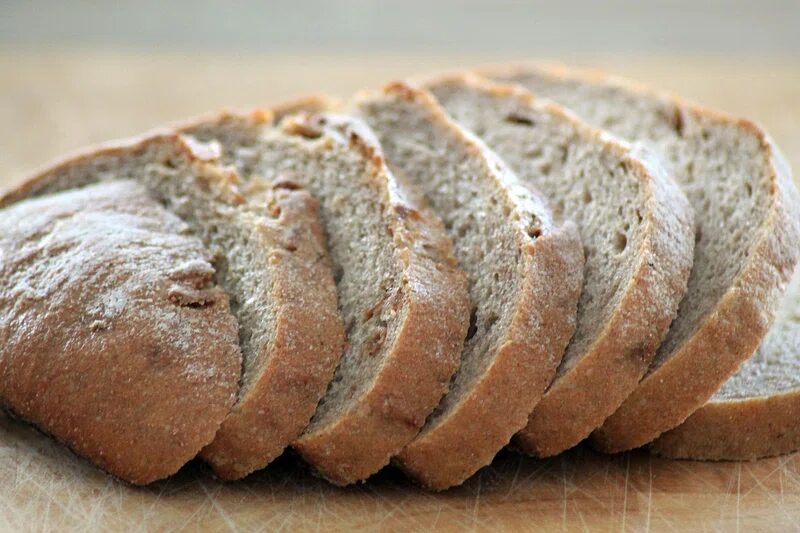
Fiber is one of the key components of wholegrain bread, contributing significantly to its health benefits. The bran, or outer layer of the grain, contains most of the fiber found in whole grains. This fiber aids in digestion and helps prevent issues like bloating and constipation.
Furthermore, fiber helps slow the absorption of sugar into the bloodstream, preventing spikes in blood sugar levels. This makes wholegrain bread a better choice for people managing conditions like diabetes or insulin resistance.
Whole Grain Bread and Gut Health
Another important advantage of whole-grain bread is its positive impact on gut health. The natural fiber and beneficial plant compounds found in whole grains act as food for healthy gut bacteria, helping to maintain a balanced digestive system. A healthy gut microbiome supports better digestion, improved nutrient absorption, and stronger immune function.
Regular consumption of whole-grain bread may also help reduce digestive discomfort and promote overall gastrointestinal wellness. By including wholegrain bread as part of a balanced diet, individuals can support both their digestive health and long-term well-being while enjoying a nutritious and satisfying food choice.
Why Choosing the Healthiest Whole-Grain Bread Matters
Selecting the healthiest wholegrain bread can have a meaningful impact on overall nutrition, as whole grains contain the entire grain kernel — bran, germ, and endosperm — which preserves vital nutrients such as fiber, vitamins, and minerals. Wholegrain breads support digestion and can contribute to a longer-lasting feeling of fullness compared with refined white breads, thanks to their higher fiber content. When evaluating wholegrain options, factors like ingredient quality, seed and grain variety, and processing methods all play a role in determining overall nutritional value. Opting for breads made with 100% whole grains rather than those with added sugars or refined flours ensures that you’re maximizing the health benefits in every slice, making wholegrain bread a smart choice for balanced meals and everyday nutrition.
How to Identify Genuine Wholegrain Bread?
It’s essential to distinguish genuine wholegrain bread from bread that’s labeled “whole wheat” or “multigrain” but may not actually be made from whole grains. When shopping for wholegrain bread, look for these key indicators:
- “Whole Grain” on the Label: The first ingredient on the label should be “whole wheat” or “whole grain.” If it just says “wheat flour” or “enriched flour,” it’s not a true wholegrain product.
- Brown Color Isn’t Enough: Just because the bread is brown doesn’t mean it’s made from whole grains. Many manufacturers add molasses or caramel coloring to make the bread appear healthier.
- Check the Fiber Content: A good rule of thumb is to choose a bread with at least 2–3 grams of fiber per slice. The more fiber, the more likely it is to be made from whole grains.
Types of Wholegrain Bread
There are various types of wholegrain bread available, each with its unique flavor and nutritional profile. Some popular varieties include:
- Whole Wheat Bread: Made from 100% whole wheat flour, this is the most common type of wholegrain bread and offers a slightly nutty taste.
- Multigrain Bread: Although multigrain bread contains multiple types of grains, it’s essential to check if the grains are whole. Some multigrain breads use refined grains, which diminish their nutritional value.
- Rye Bread: Rye bread is denser and has a stronger flavor than wheat-based pieces of bread. It’s typically made from rye flour, which is rich in fiber and nutrients.
- Oat Bread: Oat bread is made with oats high in beta-glucan, a type of soluble fiber that can help lower cholesterol levels.
Wholegrain Bread in Your Diet
Including wholegrain bread in your diet is a simple and effective way to improve your overall health. Here are some ways you can incorporate it into your meals:
- Breakfast: Start your day with a slice of wholegrain toast topped with avocado, eggs, or peanut butter for a balanced and nutritious meal.
- Lunch: Wholegrain bread makes a great base for sandwiches. Add lean proteins, vegetables, and healthy fats for a filling and wholesome lunch option.
- Dinner: Wholegrain bread can accompany soups, salads, and pasta dishes. Its dense texture pairs well with hearty, warm meals.
- Snacks: You can also use wholegrain bread for healthy snacks, like wholegrain croutons or breadsticks paired with hummus or guacamole.
Awards and Recognition for Wholegrain Bread
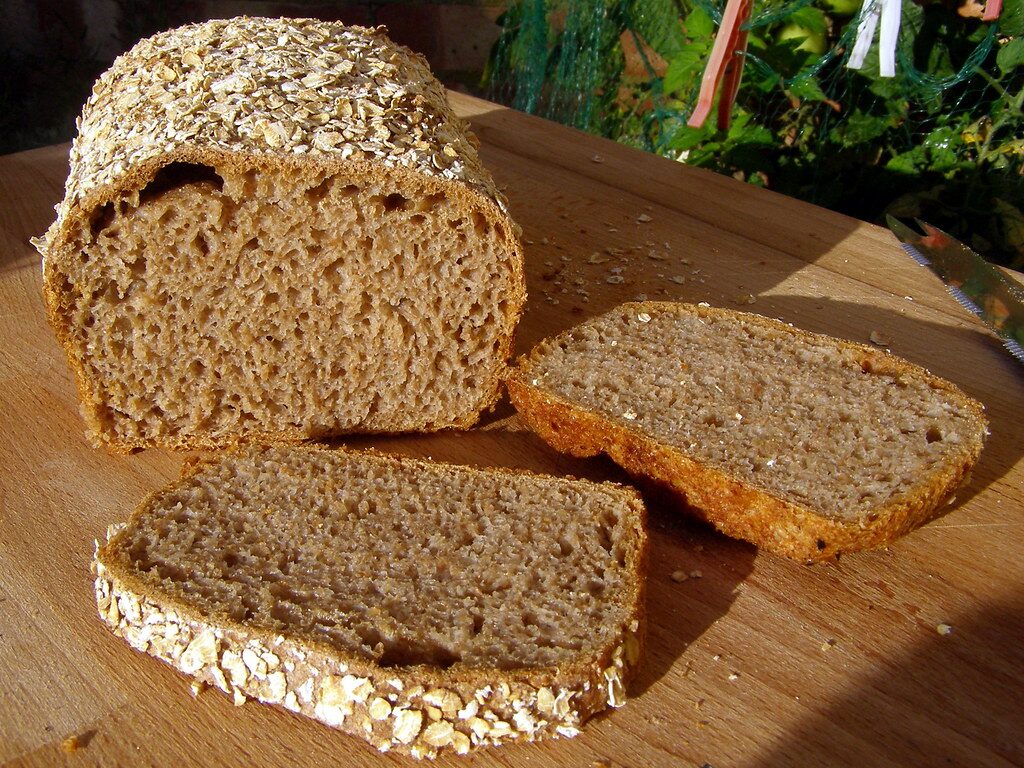
Wholegrain bread has garnered attention for its health benefits, and many dietary organizations recommend its consumption. Wholegrain products, including bread, have been awarded various certifications for promoting good health, such as the Whole Grains Council stamp.
Wholegrain bread is often highlighted in national dietary guidelines, which advocate for increasing the consumption of whole grains as part of a balanced diet. Its contribution to heart health, weight management, and chronic disease prevention has made it a favorite among nutritionists and health advocates alike.
Conclusion
Wholegrain bread is more than just a healthier alternative to white bread; it’s a powerhouse of nutrients that can improve your overall well-being. From its fiber-rich composition to its heart-healthy benefits, wholegrain bread stands out as an essential component of a balanced diet. Whether you’re looking to boost your nutrient intake, manage your weight, or reduce the risk of chronic diseases, wholegrain bread offers a delicious and nutritious option.
By making the switch to wholegrain bread, you’ll be taking a step towards a healthier, more fulfilling lifestyle. So, next time you’re at the store, be sure to check the labels and choose a genuine wholegrain product that benefits your body in more ways than one!
Apart from that, if you want to know about “Exploring The Molly Lowe Age:” then please visit our “Entertainment” Category.
FAQs
Wholegrain bread is made from flour that contains all parts of the grain: the bran, germ, and endosperm. This makes it more nutritious than refined bread, which only includes the endosperm.
White bread is made from refined grains, where the bran and germ are removed, leaving only the starchy endosperm. Wholegrain bread contains the entire grain, making it higher in fiber, vitamins, and minerals.
Wholegrain bread offers numerous health benefits, including improved digestion due to its high fiber content, lower cholesterol levels, reduced risk of heart disease, better blood sugar control, and more vitamins and minerals.
Yes, wholegrain bread can aid in weight management. Its high fiber content helps you feel fuller for longer, which may reduce overeating and help regulate blood sugar levels.
Yes, the fiber in wholegrain bread helps promote healthy digestion by preventing constipation and maintaining a balanced gut microbiome.